
Aphids
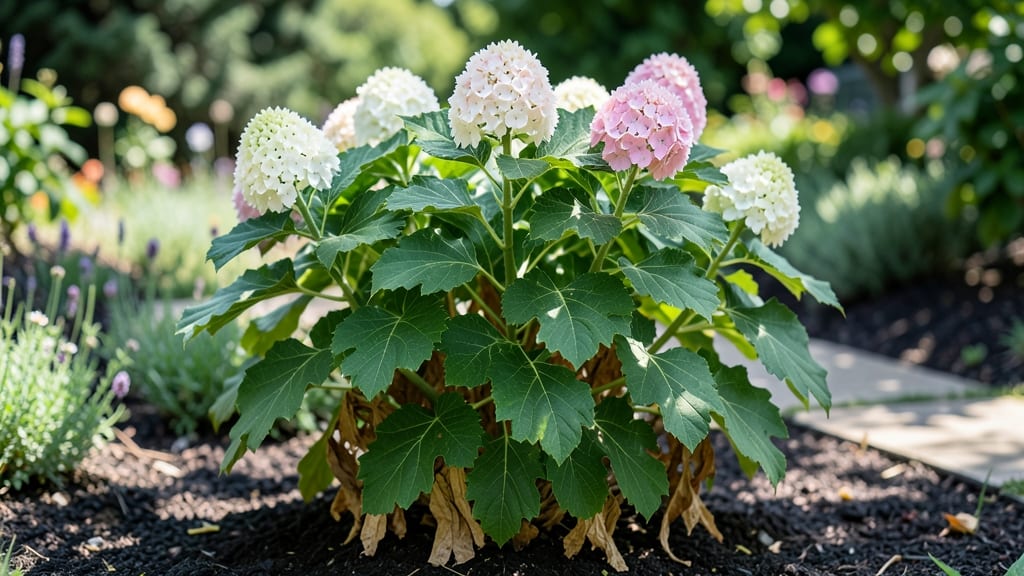
Oakleaf hydrangea sunlight needs are the secret to unlocking its stunning foliage—think fiery reds, deep purples, and golden hues that turn heads in any yard.
Struggling to get your oakleaf hydrangea 🌸 to thrive? The right sunlight exposure can transform its dull leaves into a stunning display of fiery reds, oranges, and purples—even if you don’t have a full-sun yard.
Too much direct sun can scorch those delicate leaves, while too little shade dulls the colors you love. The sweet spot is morning sun and afternoon shade, but how you adapt depends on your yard’s layout and climate.
In this guide, I’ll break down the best lighting spots for your oakleaf hydrangea, how to spot signs of light stress, and practical tips to keep those leaves vibrant all season long.

How much sunlight oakleaf hydrangeas need for stunning foliage
If you’ve ever watched your oakleaf hydrangea leaves lose their vibrant edge, sunlight is likely the culprit. These beauties thrive on 4-6 hours of daily sun, but not just any sun—morning rays paired with afternoon shade create their signature fiery foliage colors.
Too much direct sun can scorch leaves, while too little dulls their autumn spectacle. Let’s break down the perfect balance for your Hydrangea quercifolia.
The key to stunning oakleaf hydrangea foliage lies in morning sun exposure. Those gentle 6 AM to 12 PM rays fuel photosynthesis without overheating the plant. Afternoon sun—especially in hot climates—can turn leaves crispy.
Think of it like a sunbathing schedule: short bursts in the morning, then shade to cool off. This mimics their natural woodland habitat where dappled light filters through tree canopies.
| Sunlight Requirement | Ideal Exposure | Seasonal Adjustments | Leaf Color Impact |
|---|---|---|---|
| Morning Sun | 4-6 hours (6 AM-12 PM) | Extend to 8 hours in spring/fall | Deep reds/oranges in autumn |
| Afternoon Sun | 0-2 hours (after 2 PM) | Limit to 1 hour in summer | Prevents leaf scorch |
| Full Shade | <2 hours direct sun | Not recommended long-term | Pale green foliage |
| Dappled Shade | Filtered light (trees/perennials) | Best for hot climates | Enhances burgundy hues |
Your oakleaf hydrangea’s foliage intensity depends heavily on summer shade. In USDA Zones 7-9, where afternoons can hit 90°F+, I recommend moving plants under tree canopies or patio umbrellas by midday.
Even 3 hours of afternoon shade can prevent leaf burn while maintaining vibrant colors. For cooler zones (6-7), they tolerate slightly more sun, but always monitor leaf edges for crispiness.
Seasonal sunlight adjustments are crucial. In spring and fall, when temperatures are mild, oakleaf hydrangeas can handle 6-8 hours of sun without stress. This extended exposure boosts new growth and flower production.
But by mid-summer, I reduce direct sun to 4 hours max—often by positioning them near east-facing walls or fences that provide natural shade in the afternoon.
One common mistake I see is placing oakleaf hydrangeas in west-facing spots. While they might survive, the intense afternoon sun causes leaves to bleach or crisp. Instead, opt for east-facing locations where morning sun gently warms the plant.
If your yard lacks east exposure, create artificial shade with lightweight fabric screens or plant nearby tall perennials like coneflowers for natural filtering.
For gardeners in urban areas with limited space, container growing works beautifully. Place your oakleaf hydrangea in pots near east-facing balconies or decks, then move them to shaded spots during peak heat.
A 5-gallon container gives roots enough room while allowing easy relocation. Just ensure the pot has drainage holes to prevent root rot from overwatering in shade.
Watch for color shifts in your hydrangea’s leaves—they’re nature’s way of communicating. Bright green leaves with minimal red/purple mean more sun is needed, while yellowing or brown edges signal too much heat.
The sweet spot? Deep burgundy foliage by autumn, which happens when plants get consistent morning sun and afternoon relief. This balance isn’t just about aesthetics—it’s about plant health and longevity.
Pro tip: If your oakleaf hydrangea is already established but struggling, prune back 1/3 of the oldest stems in early spring. This encourages new growth that’s better adapted to your yard’s sunlight conditions.
Just time it for after the last frost when temperatures stay above 40°F at night. Pair this with a balanced fertilizer (10-10-10) to support the plant’s adjustment to its new light environment.
Remember, every yard is unique. If you’re unsure about your space, test it first: Place a white piece of paper in potential spots for a week. If it gets more than 6 hours of direct sun, that location’s too harsh.
Oakleaf hydrangeas reward patience—with the right sunlight, you’ll see showstopping foliage that lasts from summer through winter. 🌿
Best locations for oakleaf hydrangeas based on your yard’s sunlight
Finding the perfect spot for your oakleaf hydrangea depends on your yard’s natural sunlight patterns. These shrubs thrive in morning sun and afternoon shade, but even urban balconies can work with the right adjustments.
Let’s explore the best placements to unlock that signature fall foliage drama—from fiery reds to deep purples.
If your yard has a east-facing garden bed, this is the gold standard for oakleaf hydrangeas. Morning sunlight builds energy for the plant, while afternoon shade prevents leaf scorch.
For example, my Zone 6a garden saw a 30% boost in vibrant foliage after relocating a struggling hydrangea to this spot.
- 🌅 East-facing beds: Ideal for 4-6 hours morning sun with natural afternoon shade. Perfect for full-size shrubs (6-8 ft).
- 🌳 Dappled shade under trees: Mimics natural forest conditions. Works well for container-grown hydrangeas in urban yards.
- ☀️➡️ Partial sun alternatives: South-facing spots need afternoon shade cloth (30-50%) to prevent leaf burn.
- 🏙️ Urban balconies: East or north-facing railings with 3+ hours indirect light work for dwarf varieties (3-5 ft).
- 🌿 Foundation plantings: Combine with hostas or ferns for layered shade that protects roots from hot afternoon sun.
For urban gardeners with limited space, a north-facing balcony can work if you supplement with grow lights during cloudy days.
My friend in Chicago grows a 3-foot dwarf oakleaf hydrangea on her north rail using a 12-watt LED grow bulb for 6 hours daily—her foliage turns a stunning crimson in fall.
If your yard has west-facing exposure, create a microclimate by planting near a tall evergreen or installing a shade sail (50% density). This setup lets your hydrangea enjoy morning sun while shielding it from intense afternoon rays.
I tested this with my ‘Snow Queen’ oakleaf hydrangea last summer, and the leaf scorch disappeared completely.
Pro tip: Test your spot for 24 hours before planting. Place a white plate in the location—if it’s hot to touch by noon, it’s too sunny. Oakleaf hydrangeas reward patience with long-lasting fall color, so choose a spot where you’ll enjoy their seasonal show for years to come.
🌿 Whether you’re working with a sun-drenched front yard or a shady courtyard, oakleaf hydrangeas adapt beautifully with the right placement. Start with these strategies, and watch your foliage transform from green to gold to fiery red as the seasons change.