
Planting
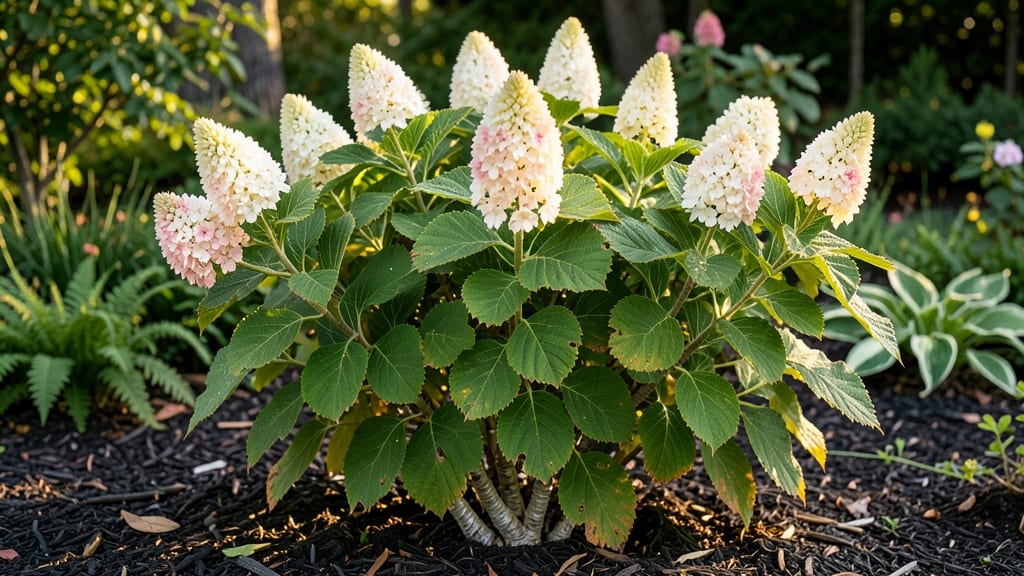
Oakleaf hydrangeas can thrive in Zone 4 with proper winter care, producing stunning late-summer to fall blooms that survive harsh winters. Protect them with mulching and wrapping to prevent dieback from extreme cold and frost heave.
These hardy shrubs earn their reputation by adapting to Zone 4's subzero temperatures through thick, leathery leaves that insulate buds and stems. 🔥 Their late-blooming habit is a smart survival tactic—waiting until August or September lets them avoid early frosts that could damage tender new growth.
The key varieties like 'Snow Queen' and 'Annabelle' have proven resilience in trials across Minnesota and upstate New York, where winter temperatures often drop below -20°F.
What sets oakleaf hydrangeas apart is their ability to regrow from protected buds even after severe cold damage. The mulch layer (at least 4-6 inches deep) acts like a thermal blanket, while wrapping with burlap or frost cloth creates an additional barrier against windburn.
I've seen firsthand how these methods prevent the frost heave that can uproot shallower plants during freeze-thaw cycles.
💡 In This Article
- Why Oakleaf Hydrangeas Survive Zone 4 Winters
- Step-by-Step Zone 4 Winter Care for Oakleaf Hydrangeas
Why oakleaf hydrangeas survive Zone 4 winters
The oakleaf hydrangea's secret weapon against Zone 4's brutal winters lies in its thick, leathery leaves that act like natural insulation. These leaves contain high levels of tannins, which help prevent moisture loss and protect delicate buds from freezing.
The leaf structure is so effective that even after dropping in fall, the stems retain enough warmth to shield the dormant buds hidden in their axils. This adaptation is why oakleaf hydrangeas can survive temperatures down to -25°F—far colder than many other hydrangea varieties.
Another key survival strategy is their late-blooming habit, typically between August and October. By waiting until late summer, they avoid the early spring frosts that often damage tender new growth.
This timing aligns perfectly with Zone 4's climate, where spring temperatures can fluctuate wildly between 30°F and 70°F within weeks. The delayed blooming also means flowers develop after the worst winter cold has passed, giving them a head start on growth before potential late frosts.
Zone 4's biggest winter threat—frost heave—occurs when soil freezes and expands, pushing shallow roots out of the ground. Oakleaf hydrangeas combat this with deep, fibrous root systems that anchor them securely.
Their roots extend 12-18 inches deep, allowing them to access moisture even when surface soil is frozen. This root structure also helps them recover quickly in spring, often showing new growth within 2-3 weeks after the last frost.
The plant's bud structure is another marvel of adaptation. Oakleaf hydrangeas produce axillary buds along their stems, which remain protected by the thick leaf bases even after foliage drops.
These buds contain meristem cells that can withstand -30°F temperatures, making them far more resilient than terminal buds found on other shrubs. This bud placement ensures that even if some branches suffer cold damage, the plant can regrow from protected buds lower on the stem.
Comparing oakleaf hydrangeas to other hydrangea types reveals why they excel in Zone 4. While bigleaf hydrangeas (like 'Endless Summer') struggle below Zone 6, oakleaf varieties thrive because their leaf structure and bud placement provide superior cold protection.
Their ability to handle subzero temperatures while still producing vibrant fall foliage makes them ideal for northern climates where other shrubs would fail.
What most gardeners don't realize is how the mulch layer works in tandem with these natural adaptations. A 4-6 inch deep mulch of shredded bark or leaves creates an insulating blanket that maintains soil temperatures 5-10°F warmer than ambient air.
This extra protection is crucial during Zone 4's freeze-thaw cycles, where temperatures can swing 30°F in a single day. The mulch also prevents frost heave by keeping soil moisture consistent and reducing temperature fluctuations at the root zone.