
Diseases
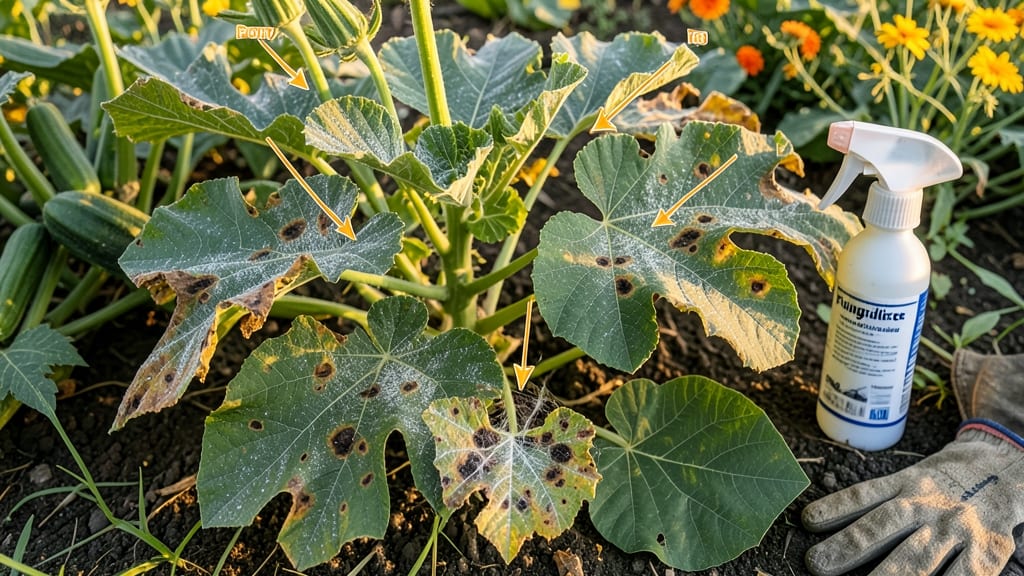
Okra leaf diseases can turn your thriving plants into sad, yellowing skeletons faster than you think—especially if you're dealing with powdery mildew or leaf spot. 🌱 I've watched my own okra plants go from lush and green to barely recognizable in just a few weeks, and the key to saving them is catching the problem early and knowing exactly what you're fighting.
The most common fungal issues start with tiny spots or white powder that spreads like wildfire when conditions are right—too much humidity, poor airflow, or plants that are already stressed.
My biggest mistake was waiting to treat until the leaves were half-eaten; now I check my plants every 7-10 days during peak growing season, especially after rain or when nights stay damp.
Once you recognize the symptoms—puffy white patches, dark brown spots with yellow halos, or leaves that curl and crisp at the edges—you can act fast.
Organic sprays like neem oil or copper fungicide work wonders, but the real secret is prevention: spacing plants properly, removing infected leaves immediately, and making sure your garden has good airflow to keep those spores from taking hold.
This isn’t just about saving your okra crop—it’s about protecting your whole garden. Fungal spores don’t discriminate, and once they’re in your soil or on your tools, they’ll jump to your tomatoes, peppers, or even your flowers. Let’s get your plants back to their best before the season’s over.
Root Causes Behind Leaf Troubles
Okra leaves develop diseases when a perfect storm of environmental, biological, and agricultural factors align. Understanding these causes helps you intervene early and protect your crop. Below, we break down the key reasons why fungal and bacterial pathogens wreak havoc on okra foliage—and how they exploit your plants.
Okra leaf diseases are primarily caused by fungi, bacteria, and sometimes viruses, which thrive in warm, humid conditions. These pathogens don’t just appear—they wait for the right moment to strike. Here’s how they gain entry:
- Spore Germination 🍄: Fungal spores (like those from Colletotrichum or Pseudomonas) lie dormant in soil, plant debris, or even on seed surfaces.
When conditions—such as high humidity (80%+), warm temperatures (75–90°F), and prolonged leaf wetness—become ideal, spores germinate and penetrate the leaf through: - Natural openings (stomata, lenticels). - Physical wounds (from pruning, hail, or insect bites). - Chemical stress (e.g., overuse of herbicides or fertilizers).
- Bacterial Entry Points 🦠: Bacteria like Xanthomonas campestris (causing bacterial leaf spot) often hitchhike on rain splashes, contaminated tools, or infected plant material.
They exploit: - Water droplets that create a film on leaves, allowing bacteria to multiply. - Weakened plant defenses (e.g., nutrient deficiencies or poor air circulation).
- Vector-Assisted Spread 🐞: Some diseases (e.g., viral infections) spread via insects like aphids or whiteflies, which feed on sick plants and transmit pathogens to healthy ones.
Okra leaves don’t just get sick—they’re invited to by environmental conditions. These are the most critical factors:
| Factor | How It Helps Pathogens | Actionable Fix |
|---|---|---|
| High Humidity | Traps moisture on leaves, creating a fungal buffet (spores thrive in wetness). | Improve airflow with spacers or pruning; use drip irrigation (not overhead). |
| Poor Drainage | Waterlogged soil stresses roots, weakening the plant’s immune response. | Amend soil with compost or sand; raise beds if needed. |
| Temperature Swings | Rapid shifts (e.g., hot days/cool nights) stress plants, making them susceptible. | Use shade cloth in extreme heat; mulch to regulate soil temp. |
| Overhead Watering | Splashes soil-borne pathogens directly onto leaves. | Switch to drip or soaker hoses; water at soil level. |
| Stagnant Air | Low airflow traps spores near plants (e.g., in dense okra patches). | Thin plants; fan leaves gently in greenhouses. |
Even the best-growing okra can fall prey to diseases when agricultural practices create vulnerabilities. Common culprits include:
- Overcrowding 🏢: Dense plantings reduce airflow, keeping leaves damp longer. This turns okra into a fungal hotspot.
- Monocropping 🌿: Planting okra in the same spot year after year exhausts soil nutrients and builds up pathogen populations.
- Improper Sanitation 🧹: Reusing contaminated tools, pots, or seedbeds spreads diseases like Alternaria or Phytophthora.
- Nutrient Imbalances 🧪:
- Too much nitrogen: Leads to soft, succulent leaves (easy targets for pathogens).
- Deficiencies in potassium or calcium: Weakens cell walls, making them easier to breach.
Some pests don’t just damage okra—they pave the way for diseases by:
- Chewing leaves (e.g., beetles, caterpillars), creating entry points for bacteria/fungi.
- Excreting honeydew (aphids), which feeds sooty mold and attracts other pathogens.
- Spreading viruses (e.g., whiteflies transmitting Okra Mosaic Virus).
Pro Tip: 💡 Monitor for pests weekly; use neem oil or insecticidal soap as a preventative barrier.
Quick Fixes for Sick Okra Leaves
When your okra plants start showing signs of distress—yellowing, spots, or wilting—don’t panic! Most fungal issues can be tackled with a mix of preventive care, targeted treatments, and smart garden habits.
Below, we’ve mapped out practical solutions for the most common okra leaf diseases, organized by cause. Follow these steps to revive your plants and keep future outbreaks at bay.
Cause: Overhead watering, high humidity, or poor air circulation. Fix:
- 🔥 Remove infected leaves immediately – Snip off yellowed or spotted leaves with sterilized scissors and dispose of them in the trash (not compost).
- 🍳 Apply a copper fungicide spray – Use a 1% Bordeaux mixture or a copper-based fungicide (like Cupron) every 7–10 days until symptoms disappear. Follow label instructions for dilution.
- 👨🍳 Improve airflow – Prune nearby plants to reduce humidity around okra. Space plants 18–24 inches apart for better ventilation.
- 🥘 Water at the base – Avoid wetting leaves. Use drip irrigation or water early in the morning so foliage dries quickly.
💡 Prevention Tip:
- ✨ Rotate crops – Don’t plant okra in the same spot year after year. Fungal spores linger in the soil.
- 🌡️ Mulch with straw – Keeps soil moist (reducing stress) but prevents splashing water onto leaves.
Cause: Cool nights, dense foliage, or weak plants. Fix:
- 🔥 Spray with neem oil or baking soda mix –
- Neem oil solution: Mix 1 tsp neem oil + 1 tsp mild soap + 1 quart water. Spray every 5–7 days until mildew clears.
- Baking soda spray: Combine 1 tbsp baking soda + 1 tsp oil (to help stick) + 1 gallon water. Spray directly on leaves (avoid flowers).
- 🍳 Thin out crowded plants – Remove lower leaves to improve airflow. If needed, prune aggressively to open up the canopy.
- 👨🍳 Reflect sunlight – Place a white reflective board near plants to increase light exposure (powdery mildew thrives in shade).
💡 Prevention Tip:
- 🎯 Choose resistant varieties – Some okra types (like ‘Clemson Spineless’) tolerate mildew better.
- 🌡️ Avoid nighttime watering – Water only in the morning so leaves dry by evening.
Cause: Overwatering, compacted soil, or poor drainage. Fix:
- ⏰ Stop watering immediately – Let the soil dry out completely before watering again. Stick your finger 2 inches deep—if it’s damp, wait.
- 🔪 Improve drainage –
- Mix sand or perlite into the soil (1 part amendment to 3 parts soil).
- Plant okra in raised beds or containers with drainage holes.
- 🍳 Apply hydrogen peroxide (3%) – Pour 1 cup per gallon of water into the soil to kill fungal pathogens. Water lightly afterward.
- 👨🍳 Transplant if necessary – If roots are mushy and black, dig up the plant, trim rotten roots, and replant in fresh, dry soil.
💡 Prevention Tip:
- 🌡️ Test your soil – Okra prefers well-draining soil with pH 6.0–6.8. Amend clay soil with compost.
- 🎯 Use drip irrigation – Never let water pool around the base of plants.
Cause: Bacteria spread by rain, tools, or contaminated water. Fix:
- 🔥 Remove and destroy infected leaves – Bacteria spread quickly; burn or trash (don’t compost) affected foliage.
- 🍳 Copper fungicide + antibiotic spray –
- Mix 1 tbsp copper sulfate + 1 tsp streptomycin (if available) + 1 gallon water. Spray every 5 days for 2 weeks.
- 👨🍳 Sterilize tools – Wipe pruners with rubbing alcohol (70% or higher) before and after use.
- 🥘 Avoid overhead watering – Use soaker hoses or drip lines to keep leaves dry.
💡 Prevention Tip:
- ✨ Crop rotation is a must – Wait 3 years before replanting okra in the same spot.
- 🌡️ Harvest promptly – Pick pods before they mature to reduce bacterial entry points.
- 💪 Strengthen plants naturally – - Feed with compost tea or fish emulsion (diluted) every 2 weeks to boost immunity. - Side-dress with aged manure for a slow-release nutrient boost.
- 🌡️ Monitor humidity – - Use a hygrometer to keep levels below 70%. - Fan leaves gently (if indoors) to reduce fungal growth.
- 🎯 Prevent reinfection – - Disinfect containers between plantings with bleach solution (1:10 ratio). - Rotate fungicides if diseases persist (e.g., alternate copper and sulfur sprays).
Final Reminder: 🚨 Act fast! The sooner you treat fungal issues, the easier they are to control. With these fixes, your okra should bounce back—and stay healthy for a bountiful harvest! 🌱💚
Frequently asked questions
What are the first signs of okra leaf diseases I should watch for?
Look for tiny yellow spots or white powdery coatings on leaves—these are early warnings of fungal issues like powdery mildew or leaf spot. Dark brown patches with yellow borders often signal bacterial blight, while curled or crispy edges may indicate viral infections. Check both upper and lower leaf surfaces daily during humid weather.
Can I still eat okra pods if the leaves have diseases?
Yes, but only if the pods themselves are healthy. Fungal/bacterial leaf diseases rarely spread to edible pods unless the infection is severe. Harvest pods from unaffected branches, wash them thoroughly, and cook immediately. Avoid eating pods from plants with blackened stems or wilting—these may indicate systemic infection.
How often should I spray preventive treatments on okra?
Apply neem oil or copper fungicide sprays every 7-10 days during peak growing season (especially after rain). For organic prevention, use a baking soda spray (1 tbsp per gallon of water) weekly. Reduce frequency to every 2 weeks once plants mature, but always treat after heavy dew or storms.
Will removing infected leaves really stop the spread?
Removing diseased leaves within 24 hours prevents spores from multiplying. Use sterilized scissors and dispose of leaves in the trash (not compost). For severe cases, prune entire branches back to healthy growth. Always wash hands and tools with rubbing alcohol (70%+) after pruning.
What's the best way to sterilize garden tools to prevent disease spread?
Wipe tools with 70% isopropyl alcohol or soak in a 1:10 bleach-water solution for 10 minutes between uses. For metal tools, boil them for 5 minutes. Store tools in a dry place and avoid sharing between infected and healthy plants. Disinfect containers with hydrogen peroxide (3%) before replanting.