
Diseases
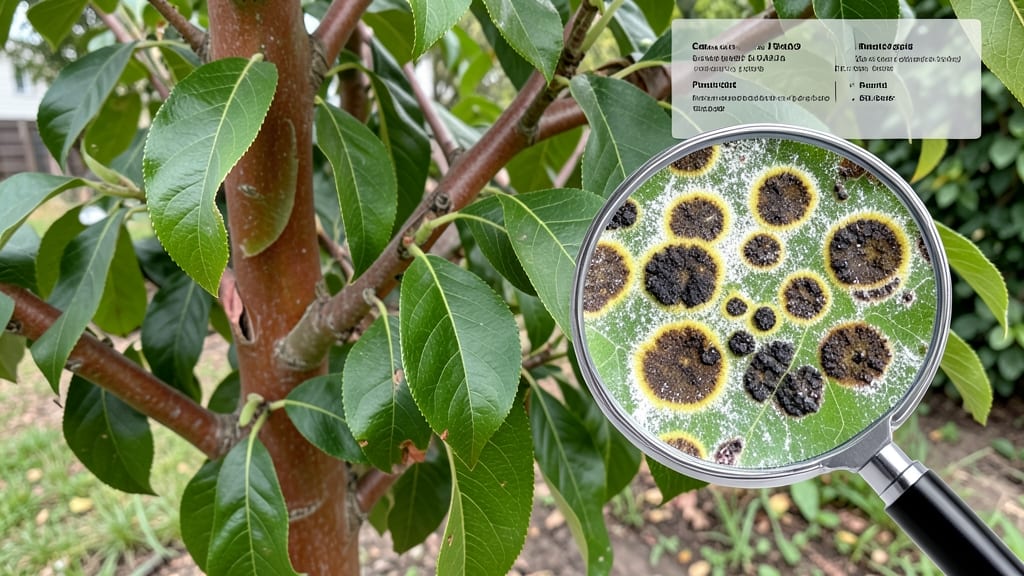
Peach leaf diseases can turn your tree’s lush green canopy into a sad, spotted mess in weeks—unless you act fast. 🌿 I’ve seen brown rot, leaf curl, and rust transform healthy peach trees into struggling shadows, but the right moves can stop the spread before it’s too late.
The key? Spotting symptoms early and treating them like the fungal invaders they are.
Most peach leaf diseases thrive in wet, humid conditions, so prevention starts with good airflow and proper pruning. Remove infected leaves immediately—don’t let them drop and infect the soil. A copper fungicide spray in early spring can prevent brown rot, while dormant oil helps smother overwintering spores.
Organic options like neem oil work too, but act fast—they’re not as aggressive as chemical treatments.
Once you spot the first signs—twisted leaves, dark spots, or rust-colored patches—isolate the tree and prune out affected branches. Sterilize your pruners with rubbing alcohol between cuts to avoid spreading spores. With consistent care, your peach tree can bounce back stronger than ever, producing fruit instead of fungal fuel.
This isn’t just about saving leaves—it’s about securing next year’s harvest. A healthy tree means fewer diseases, more fruit, and less stress for you. Let’s get your peach tree back on track before the season’s over.
Root Causes Behind Leaf Troubles
Understanding why peach leaves develop diseases starts with recognizing the perfect storm of conditions that allow pathogens to thrive. Unlike some plants that shrug off stress, peaches are particularly vulnerable due to their delicate foliage, high moisture needs, and susceptibility to fungal spores lurking in the environment.
Let’s break down the key triggers—because prevention begins with knowing why these problems start in the first place.
Peach trees are heat-lovers, but too much of a good thing—especially when paired with humidity—creates an ideal breeding ground for diseases like brown rot (Monilinia fructicola) or leaf spot (Cercospora spp.). Here’s how weather plays a role:
- Excessive Rain or Overhead Watering - Fungal spores splash onto leaves during heavy rain or when water droplets linger (like from sprinklers).
Wet leaves stay wet for more than 6 hours, and pathogens like Cladosporium or Alternaria can germinate within 12–24 hours. - Actionable fix: Water at the base of the tree in the early morning (so foliage dries by afternoon).
Use drip irrigation or soaker hoses to avoid wetting leaves.
- High Humidity + Warm Nights - Temperatures between 70–85°F (21–29°C) with humidity above 80% accelerate fungal growth.
Diseases like peach scab (Cladosporium carpophilum) thrive in these conditions because spores release enzymes that break down leaf cuticles. - Pro tip: Monitor local weather forecasts and prune for airflow (thin out dense branches) to reduce humidity pockets in the canopy.
- Sudden Temperature Swings
- Cold snaps followed by warm spells stress the tree, weakening its defenses. Weakened leaves are easier targets for pathogens like Botryosphaeria (which causes dieback).
- Preventative step: Apply a copper fungicide in early spring before buds swell to boost natural resistance.
A peach tree under stress is like an open invitation to diseases. Nutritional deficiencies, physical damage, or improper care all lower its ability to fight off infections. Common stress factors include:
- Nutrient Imbalances - Nitrogen deficiency (yellowing leaves) or zinc/manganese shortages (small, distorted leaves) weaken the tree’s cell walls, making them vulnerable to fungal penetration. - Fix it: Conduct a soil test and amend with balanced fertilizer (e.g., 10-10-10) or chelated micronutrients if needed.
Avoid over-fertilizing with nitrogen, which can promote lush but weak growth.
- Physical Damage from Pruning or Hail - Open wounds from aggressive pruning or storm damage create entry points for bacterial or fungal invaders.
Even small cuts can lead to cankers (sunken, dead patches) caused by Leucostoma or Valsa fungi. - Best practice: Prune in late winter/early spring (when the tree is dormant) and sterilize tools with 70% isopropyl alcohol to prevent spreading pathogens.
- Root Stress from Compaction or Drought - Compacted soil restricts root growth, while drought stress forces the tree to divert energy away from leaf protection.
Both scenarios make leaves more susceptible to leaf curl (Taphrina deformans) or powdery mildew. - Solution: Aerate the soil with gypsum or organic matter (compost) and mulch deeply (3–4 inches) to retain moisture without suffocating roots.
Not all diseases are caused by environmental factors—some are directly spread by spores, infected plants, or even wildlife. Here’s how pathogens invade:
- Spores from Infected Debris - Mummified fruit (from last year’s brown rot) or fallen infected leaves harbor millions of fungal spores.
When it rains, these spores hitchhike onto healthy leaves. - Cleanup critical: Remove and destroy (do not compost) all infected leaves, fruit, and prunings in fall and spring. Burn or bag them in plastic to prevent spore release.
- Windborne or Insect-Vectored Spores - Fungi like peach leaf curl rely on wind to spread spores, while aphids or mites can carry Alternaria or Cercospora from tree to tree. - Barrier strategy: Plant windbreaks (like tall grasses or shrubs) to reduce spore drift.
Use horticultural oil to smother insect pests before they transmit diseases.
- Contaminated Tools or Grafts - Pruners, saws, or even grafting materials can carry latent infections.
If you move a diseased branch to a healthy tree, you’re essentially planting a time bomb. - Sterilize always: Clean tools with bleach solution (1 part bleach to 9 parts water) or rubbing alcohol between cuts.
Sometimes, well-intentioned gardening habits accidentally invite diseases. For example:
- Overhead Irrigation - Sprinklers create a fine mist that keeps leaves damp for hours—perfect for powdery mildew or anthracnose.
Even hand-watering with a hose can spread spores if the stream splashes upward. - Upgrade your system: Switch to drip irrigation or soaker hoses placed at the base of the tree.
- Planting Too Close to Shade
- Peaches need 6–8 hours of sunlight daily. Shady conditions slow drying, trapping moisture on leaves longer. This extends the window for fungal spores to germinate.
- Spacing rule: Plant peach trees 20–25 feet apart and avoid overhanging branches from nearby trees.
- Ignoring Soil pH - Peaches prefer slightly acidic soil (pH 6.0–6.5).
If the pH drifts to alkaline (above 7.0), micronutrient uptake suffers, weakening the tree’s immune response. - Test and adjust: Use lime to raise pH or sulfur to lower it based on soil test results.
Healthy peach trees host beneficial microbes and predators that suppress diseases naturally. When these helpers are missing, pathogens take over. Key disruptors include:
- Overuse of Broad-Spectrum Fungicides - Chemicals like chlorothalonil kill both bad and good fungi, including trichoderma (a natural soil fungus that fights Monilinia).
This can create a vacuum effect, allowing pathogens to rebound. - Balanced approach: Use copper fungicides (less disruptive to beneficials) or baking soda spray (for mild cases) as preventive measures.
- Lack of Beneficial Microbes
- Mycorrhizal fungi (which form symbiotic relationships with roots) and Bacillus subtilis (a bacteria that outcompetes pathogens) are often missing in sterile or chemically treated soil.
- Boost defenses: Apply compost tea or mycorrhizal inoculants in early spring to strengthen the tree’s microbiome.
Peach leaf diseases don’t appear out of nowhere—they’re the result of a combination of environmental stress, pathogen pressure, and cultural missteps. By controlling moisture, improving airflow, sterilizing tools, and maintaining tree health, you can break the cycle before it starts.
Think of it like building a fortress: the stronger the defenses (your tree’s health + smart practices), the harder it is for invaders (fungi/bacteria) to breach the walls. 🛡️🌿
Quick Fixes for Fungal Foes
Peach trees are resilient, but fungal diseases like brown rot, leaf spot, and powdery mildew can turn their lush foliage into a battleground. The good news? With the right strategies, you can stop the spread, heal your tree, and keep future outbreaks at bay.
Below, we map out targeted solutions for each common peach leaf disease—plus prevention tips to keep your orchard thriving.
Cause: Monilinia fructicola thrives in warm, wet conditions, infecting blossoms, leaves, and fruit.
🔥 Step 1: Prune Infected Areas Immediately
- Remove all mummified fruit (dried, shriveled peaches) from the ground and tree.
- Cut out branches with brown rot lesions 6–12 inches below the infection (fungus spreads hidden!).
- Burn or bag infected debris—do not compost it.
🍳 Step 2: Apply Fungicide at the Right Time
- Pre-bloom (pink bud stage): Spray with copper fungicide or myclobutanil (follow label rates).
- Post-bloom (petal fall): Reapply fungicide to protect new fruit.
- 💡 Pro Tip: Use a knapsack sprayer for even coverage—focus on undersides of leaves where spores hide.
🌡️ Step 3: Adjust Care to Break the Fungal Cycle
- Thin fruit to improve airflow (overcrowding = more humidity = more rot).
- Water at the base (avoid wetting leaves/fruit) and irrigate early in the day so foliage dries quickly.
- Sanitize pruners with rubbing alcohol between cuts to prevent cross-contamination.
Cause: Cercospora or Alternaria fungi create dark, circular spots that defoliate trees.
👨🍳 Step 1: Rake and Remove Fallen Leaves
- Scoop up all infected leaves twice a year (spring and fall).
- Shred and compost (only if compost pile reaches 140°F+ to kill spores).
- 🎯 Prevention: Lay down cardboard or black plastic under trees to trap debris, then remove it.
🥘 Step 2: Boost Tree Health Naturally
- Fertilize with balanced NPK (10-10-10) in early spring to strengthen foliage.
- Mulch with wood chips (3–4 inches deep) to reduce soil splashing onto leaves.
- 💡 Pro Tip: Neem oil (1 tsp/gallon water + surfactant) can suppress leaf spot when sprayed weekly during rainy seasons.
⏰ Step 3: Time Your Fungicide Sprays
- At bud break and every 2–3 weeks until harvest, use chlorothalonil or potassium bicarbonate.
- Avoid copper if your soil is already high in copper (test first!).
Cause: Podosphaera oxycocci creates a white, powdery coating that weakens leaves.
🔪 Step 1: Scrub Off the Fungus (Literally!)
- Wet a soft cloth with soapy water (1 tbsp mild dish soap + 1 gallon water).
- Gently wipe infected leaves—do not tear them (spores spread easily).
- 🌡️ Pro Tip: Do this on a dry, sunny day—UV light helps inhibit fungal growth.
🍳 Step 2: Improve Airflow and Light
- Prune to open the canopy (aim for 50–70% sunlight penetration).
- Space trees 15–20 feet apart to reduce humidity pockets.
- Avoid overhead watering—use drip irrigation instead.
💡 Step 3: Use Baking Soda (Yes, Really!)
- Mix 1 tbsp baking soda + 1 tsp horticultural oil + 1 gallon water.
- Spray every 7–10 days until mildew disappears.
- 🎯 Prevention: Apply sulfur-based fungicide (like lime sulfur) in late winter as a preventive.
| Tactic | How to Do It | Best Time |
|---|---|---|
| Sanitation | Remove all debris; sterilize tools | Fall & spring cleanup |
| Resistant Varieties | Plant ‘Redhaven’ or ‘Elberta’ (less susceptible) | When replanting |
| Soil Care | Test pH (ideal: 6.0–6.5); amend if needed | Early spring |
| Beneficial Fungi | Apply Trichoderma or mycorrhizal fungi | Planting or early spring |
| Monitoring | Check leaves weekly for early signs | Growing season |
💡 Final Pro Tip: Healthy trees fight disease better! Ensure your peach tree gets:
- 6–8 hours of sunlight daily
- 1–1.5 inches of water per week (deep watering)
- Annual pruning to remove deadwood
By acting fast and consistently, you can save your peach tree’s leaves—and its fruit—from fungal takeovers. Now go forth and reclaim that orchard glow! 🌟
Frequently asked questions
What do peach leaf curl symptoms look like, and how can I confirm it?
Peach leaf curl causes thickened, puckered leaves that appear reddish-purple when new, then turn yellow-brown and drop prematurely. The undersides often show white, fuzzy growth (the fungus). Confirm by checking for these symptoms in early spring—this disease attacks new growth first. Compare with healthy leaves to spot differences.
Can I still harvest fruit from a peach tree with leaf diseases?
It depends on the disease. For brown rot, remove all infected fruit immediately—it spreads spores that ruin next year’s crop. With leaf spot or powdery mildew, fruit may still be safe to eat if leaves are only mildly affected, but wash thoroughly. Always prioritize removing diseased leaves to protect future harvests.
How often should I spray fungicides on my peach tree?
Preventive sprays should happen every 2–4 weeks during peak disease seasons (spring through early summer). Start with copper fungicide at bud break and lime sulfur in late winter. For organic options, neem oil or baking soda sprays work well when applied weekly during rainy periods. Always follow label instructions for timing and concentration.
Will pruning help stop peach leaf diseases from spreading?
Prune infected branches 6–12 inches below visible lesions to remove hidden spores. Sterilize tools with 70% isopropyl alcohol between cuts, and destroy prunings (don’t compost). Thin the canopy to improve airflow—this reduces humidity, making it harder for fungi like brown rot or leaf spot to thrive.
Are there disease-resistant peach varieties I should consider?
Yes! Varieties like ‘Redhaven’, ‘Elberta’, and ‘Contender’ show better resistance to common diseases. For leaf curl, ‘Loring’ and ‘Reliance’ are top choices. Check with local nurseries for varieties adapted to your climate—some regional strains resist local fungal pressures better than others.