
Pests and Diseases
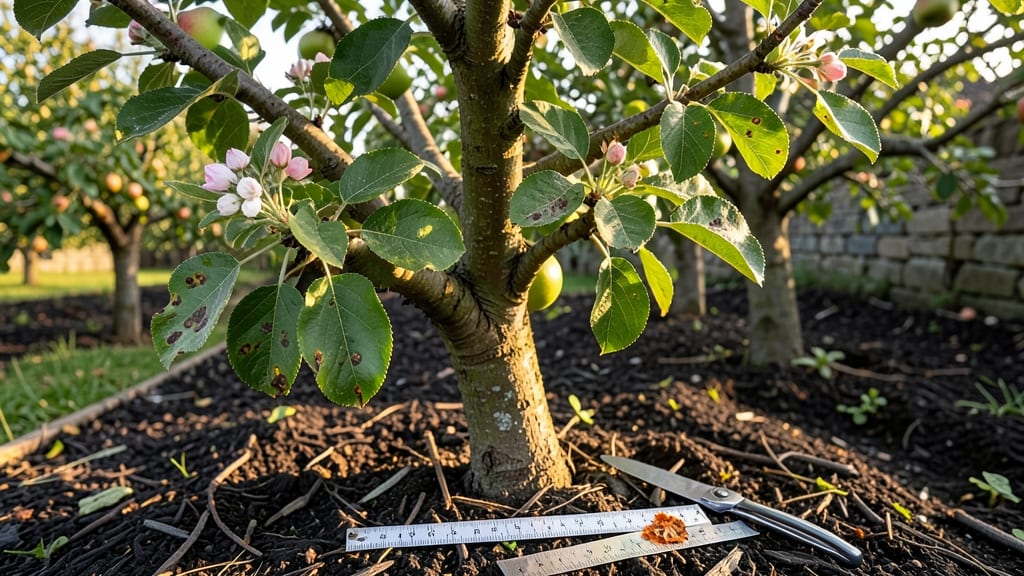
Apple leaf disease pictures reveal the first warning signs before your orchard becomes a fungal buffet. 🍏 I’ve seen apple scab turn vibrant green leaves into crinkled, blackened messes in just two weeks—if you don’t catch it early.
The key is knowing what to look for: velvety white powder (powdery mildew), rusty-orange spots (cedar apple rust), or olive-green scabs (apple scab).
Most diseases start when wet spring weather lingers, giving spores the perfect chance to infect. Organic sprays like neem oil or copper fungicide work best when applied before symptoms appear, but prevention is easier than cleanup.
Prune infected branches immediately, space trees for airflow, and water at the base—not overhead—and you’ll cut infection rates by half.
By the time you see full-blown spots, it’s already too late for that season. But with these visual cues, you’ll spot trouble early enough to save your harvest. Think of it like a game of spot-the-disease: the sooner you act, the more apples you’ll keep healthy and your trees strong.
Works for home orchards, backyard trees, and even container-grown apples. The same principles apply whether you’re dealing with one infected branch or a whole grove. Let’s get those leaves looking sharp again.
Root Causes of Leaf Damage
Apple trees are resilient, but their leaves are vulnerable to a variety of fungal, bacterial, and environmental stressors that can turn vibrant foliage into a patchwork of unsightly spots, lesions, or discoloration.
Understanding why these issues arise is the first step to prevention. Below, we break down the most common culprits—backed by science—and explain how they attack your tree’s leaves.
Fungi are the #1 cause of apple leaf diseases, thriving in damp, warm conditions. These microscopic organisms release spores that land on leaves, germinate, and feed on plant tissues, disrupting photosynthesis and nutrient flow.
🌡️ High Humidity & Poor Airflow
Fungi love moisture—think of them as aquatic athletes. When humidity stays above 75% for prolonged periods (especially at night), fungal spores like Venturia inaequalis (apple scab) or Alternaria alternata (alternaria leaf spot) germinate rapidly. Poor airflow in dense canopies or overcrowded orchards traps moisture, creating the perfect breeding ground.
- 🔍 Science behind it: Fungal spores need a thin film of water on leaf surfaces to activate. Without airflow, leaves stay wet longer, accelerating infection.
- 💡 Pro tip: Prune trees to improve sunlight penetration and reduce humidity pockets. Aim for 10–15 feet between trees for optimal airflow.
🌧️ Frequent Rainfall or Overhead Watering
Rain splashes spores from infected leaves or soil onto healthy foliage, spreading diseases like Marssonina coronaria (apple black rot). Overhead irrigation (especially in the evening) mimics rain, keeping leaves damp and inviting fungal growth.
- 🔍 Science behind it: Rain droplets act like tiny catapults, launching spores up to 2 feet onto nearby leaves. Wind can carry them even farther.
- 💡 Pro tip: Use drip irrigation or soaker hoses to keep water at the roots. If overhead watering is unavoidable, do it early in the morning so leaves dry quickly.
🌡️ Warm, Stagnant Conditions
Fungi like Podosphaera leucotricha (powdery mildew) multiply fastest when temperatures hover between 60–80°F (15–27°C) with high humidity. Stagnant air in greenhouses or shaded orchards worsens the problem.
- 🔍 Science behind it: Warmth speeds up fungal metabolism, while stagnant air reduces evaporation, keeping leaves damp.
- 💡 Pro tip: Install fan-and-ventilation systems in greenhouses or prune to increase air circulation in outdoor trees.
Leaves under stress—whether from drought, extreme heat, or nutrient deficiencies—become far more susceptible to diseases. Think of it like a person with a weakened immune system catching every cold that comes their way.
💧 Drought or Overwatering
Both extremes stress apple trees. Drought weakens the plant’s cell walls, making it easier for pathogens to penetrate. Overwatering, meanwhile, leads to root rot (often caused by Phytophthora fungi), which starves leaves of nutrients and opens them to secondary infections.
- 🔍 Science behind it: Drought triggers the production of ethylene, a plant hormone that signals stress and reduces disease resistance. Overwatering creates anaerobic soil, which releases toxins harmful to roots.
- 💡 Pro tip: Water deeply 1–2 times per week (1–1.5 inches per session) and mulch to retain moisture without waterlogging.
❄️ Extreme Temperature Swings
Sudden freezes or heatwaves damage leaf tissue, creating entry points for bacteria (like Erwinia amylovora, which causes fire blight) and fungi. Cold stress also reduces the tree’s ability to produce protective compounds like phenolics.
- 🔍 Science behind it: Temperature fluctuations disrupt the cuticle (the leaf’s waxy outer layer), making it more permeable to pathogens.
- 💡 Pro tip: Use row covers in late fall/winter to protect young trees from frost. In summer, provide shade cloth during heatwaves.
🌱 Nutrient Deficiencies
Leaves lacking key nutrients (like magnesium, nitrogen, or zinc) turn yellow, thin out, or develop necrotic spots—inviting diseases like Cercospora leaf spot. For example, magnesium deficiency (often seen as interveinal chlorosis) weakens the leaf’s structural integrity.
- 🔍 Science behind it: Nutrients like zinc help produce callose, a protective barrier against pathogens. Without them, leaves become easy targets.
- 💡 Pro tip: Conduct a soil test every 2–3 years and amend with Epsom salt (magnesium sulfate) or chelated iron if deficiencies are detected.
While fungi are the usual suspects, bacteria and viruses can also wreak havoc on apple leaves—often introduced through wounds, tools, or infected plant material.
🔪 Physical Damage from Tools or Pests
Cuts from pruning shears, hail, or insect feeding (like codling moth larvae) create open wounds where bacteria like Pseudomonas syringae (bacterial leaf spot) can enter. Even fire blight (caused by Erwinia amylovora) spreads through water-splashed wounds.
- 🔍 Science behind it: Bacteria exploit damaged cell walls to multiply rapidly, often oozing yellowish bacterial ooze from lesions.
- 💡 Pro tip: Sterilize pruners with 70% isopropyl alcohol between cuts. Remove and destroy infected branches immediately to prevent spread.
🌱 Contaminated Soil or Mulch
Bacteria and fungal spores can linger in soil or organic matter (like wood chips) from previous infected plants. When new trees are planted, these pathogens hitch a ride onto roots or leaves.
- 🔍 Science behind it: Soilborne pathogens like Fusarium or Verticillium enter through root wounds, then travel upward to colonize leaves.
- 💡 Pro tip: Solarize soil in late summer (cover with clear plastic for 4–6 weeks) to kill pathogens before planting. Avoid compost from unknown sources.
Now that you know why apple leaves fall prey to diseases, the next step is identifying symptoms early and taking action. The key? Break the cycle by addressing moisture, airflow, and stress—before the fungi and bacteria get a foothold!
Quick Fixes for Fungal Foes
Fungal infections on apple leaves can feel like an uphill battle, but with the right approach, you can turn the tide before they ruin your harvest. Below, we’ve mapped out practical, step-by-step solutions for each common cause—plus prevention tips to keep your orchard healthy long-term.
Think of this as your disease-fighting playbook!
**🔥 Cause: White, powdery spots (like dust) on leaves, stems, or fruit. 👨🍳 Fix It Fast:
- 🍳 Prune & Clean Up Remove heavily infected leaves (wear gloves!) and sterilize pruners with rubbing alcohol. Bag and compost infected debris—don’t leave it near the tree.
- 🥘 Spray with Baking Soda (Yes, Really!) Mix 1 tsp baking soda + 1 tbsp oil + 1 tsp soap per quart of water.
Spray undersides of leaves (where spores hide) every 7–10 days** until mildew fades. Pro tip: Do this early in the morning to avoid burning leaves in sunlight.
- 🌡️ Boost Airflow Thin out branches to improve circulation—fungi love damp, crowded spaces. Space trees 12–15 feet apart if replanting.
**💡 *Prevent It:**
- 🎯 Resistant Varieties: Choose Liberty or Enterprise apple trees—they’re bred to fight mildew.
- ✨ Mulch Smartly: Use straw or wood chips (not grass clippings) to keep soil dry.
- 🌞 Water at the Roots: Avoid overhead watering—morning watering lets leaves dry by night.
🔥 Cause: Olive-brown, velvety spots that curl leaves and disfigure fruit. 👨🍳 Fix It Fast:
- 🔪 Remove & Destroy Infected Fruit Pick up all fallen apples (even small ones) and burn or trash them—scab spores overwinter in debris.
- 🥘 Copper Fungicide Spray Use copper-based sprays (like Bordeaux mixture) before buds swell in spring. Follow label rates—overuse harms bees!
- 🌡️ Adjust Your Schedule Apply fungicides every 10–14 days during wet springs (scab thrives with rain). Pro tip: Use a sprayer with a fan tip for even coverage.
💡 *Prevent It:**
- 🎯 Plant in Full Sun: Scab loves shade—6+ hours of sunlight keeps leaves dry.
- 🌞 Post-Harvest Cleanup: Rake up all leaf litter by fall to starve spores.
- ✨ Dormant Oil Spray: In late winter, spray dormant oil to smother overwintering spores.
🔥 Cause: Dark, greasy spots with yellow halos—leaves drop early. 👨🍳 Fix It Fast:
- 🍳 Thin the Canopy Open up the tree’s center to let air and light penetrate. Remove crossing branches with pruners.
- 🥘 Neem Oil or Potassium Bicarbonate Mix 1 tbsp neem oil + 1 tsp soap per gallon of water and spray both sides of leaves. Repeat every 2 weeks until new growth appears.
- 🌡️ Mulch with Pine Needles Acidic mulch (like pine straw) inhibits black spot spores. Keep mulch 3–4 inches deep but away from the trunk.
💡 *Prevent It:**
- 🎯 Space Trees Wider: 15+ feet apart reduces humidity in the canopy.
- 🌞 Water Deeply, Rarely: Drip irrigation keeps foliage dry.
- ✨ Plant Companion Crops: Chives or garlic near apple trees repel fungal spores.
If your tree looks beyond saving, try these last-resort tactics:
- 🔪 Root Pruning: Cut 1/3 of roots (12–18 inches deep) to redirect energy to healthy growth.
- 🌱 Replacement Strategy: If the tree is past recovery, dig it out and plant a resistant variety in its place.
- 💊 Systemic Fungicide: For extreme cases, use myclobutanil (Immunox)—but rotate chemicals to avoid resistance.
💡 *Final Pro Tip:** Test your soil! Fungal diseases often thrive in alkaline or nutrient-deficient soil. A pH test (aim for 6.0–7.0) and compost amendment can boost tree resilience naturally.
By acting fast and smart, you’ll outsmart fungi before they outgrow your orchard. Your apples—and your sanity—will thank you!** 🍏🌟
Frequently asked questions about apple leaf diseases
How can I tell if my apple tree has a fungal disease just by looking?
Check for these visual clues: powdery white coatings (powdery mildew), olive-green scabs (apple scab), or rusty-orange spots (cedar apple rust). Dark, greasy spots with yellow borders often signal black rot. Compare your leaves to high-quality reference images—most diseases have distinctive patterns that make them easier to spot than you'd think!
Can I use the same treatment for all apple leaf diseases?
No—different diseases need targeted solutions. For example, copper fungicide works best for apple scab, while neem oil is more effective against powdery mildew. Always match the treatment to the specific symptoms you're seeing. A soil test can also reveal if nutrient deficiencies are making your tree more vulnerable to multiple issues.
Will removing infected leaves completely stop the disease from spreading?
No, but it's a critical first step! Removing infected leaves reduces spore production by up to 70%. For best results, combine pruning with sterilizing tools (70% alcohol) and applying preventative sprays like baking soda mixture or dormant oil before symptoms appear. Think of it as both offense and defense!
How often should I inspect my apple tree for early signs of disease?
Check your trees every 7-10 days during spring and summer when conditions are most favorable for fungal growth. Pay special attention to new growth and undersides of leaves—these are prime hiding spots for spores. Morning inspections work best when leaves are dry from dew.
Are there any organic treatments that work as well as chemical fungicides?
Yes! Baking soda sprays (1 tsp baking soda + 1 tbsp oil + 1 tsp soap per quart of water) and neem oil (1 tbsp per gallon) can be just as effective when applied preventatively. For severe cases, copper-based fungicides (like Bordeaux mixture) remain the gold standard—just use them carefully to protect beneficial insects.