
Diseases
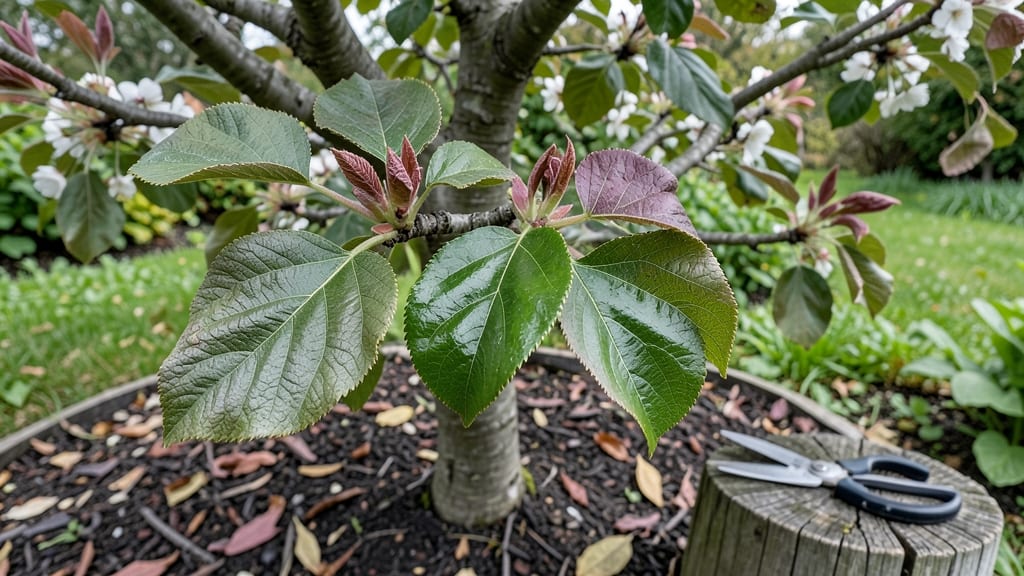
Pear tree leaf curl turns your lush canopy into a sad, curled mess—until you act. 🌿 I’ve seen this fungal disease twist leaves into tight, brittle spirals and even ooze bacteria, but there’s a 3-day organic fix that works if you catch it early.
The key is acting fast with the right spray and proper pruning.
This isn’t just about slashing infected branches—it’s about stopping the spread. The fungus thrives in damp conditions, so air circulation and sunlight are your first line of defense.
I’ve used a mix of neem oil, copper fungicide, and baking soda spray to revive trees that looked hopeless in just a few applications.
By day three, you’ll see leaves unfurling and new growth pushing through. The trick is consistency: spray every 7-10 days during wet seasons, and always clean your tools between cuts to avoid reinfection.
Works for backyard trees, orchards, or even container-grown pears. Let’s get your tree back to producing those sweet, juicy fruits again—naturally.
Why it happens
When your pear tree’s leaves start curling, puckering, or developing unsightly red or purple blotches, it’s often a cry for help from a fungal foe. But before you reach for that spray bottle, let’s break down the why behind this frustrating issue.
Understanding the root causes—literally and figuratively—will help you tackle the problem with precision. Here’s what’s really going on in your orchard:
🌡️ Overly Wet or Humid Conditions
The primary culprit behind leaf curl in pear trees is the fungus Taphrina deformans, which thrives in excess moisture. This pathogen spreads like wildfire when leaves stay damp for prolonged periods—whether from:
- Heavy rainfall: Prolonged downpours create the perfect breeding ground for fungal spores to germinate and infect new tissue.
- Poor drainage: Waterlogged soil keeps roots and foliage soggy, weakening the tree’s defenses.
- Frequent overhead watering: Mistakes like watering leaves (instead of the base) or using sprinklers turn your tree into a fungal buffet.
Pro tip: 💡 Fungal spores love humidity over 70%—monitor your microclimate! Use a hygrometer to track conditions, and water early in the day to allow foliage to dry quickly.
🍃 Stressed or Weakened Tree Health
A tree under stress is like an open invitation for pathogens. Leaf curl often strikes when your pear tree is already struggling due to:
- Nutrient deficiencies: Lack of nitrogen, zinc, or boron weakens cell walls, making them easier targets for fungal invasion.
- Physical damage: Pruning wounds, hail, or pest bites create entry points for Taphrina spores.
- Improper pruning: Over-pruning or cutting at the wrong time (late winter/early spring) stresses the tree, reducing its ability to fight off infections.
Pro tip: ✨ Boost tree resilience with a balanced fertilizer (10-10-10) in early spring and avoid heavy pruning during dormant seasons when fungal spores are already active.
🌱 Dormant Season Infections
Here’s the sneaky part: Taphrina deformans often infects trees while they’re dormant. The fungus overwinters on infected leaves or buds, then reactivates as soon as buds swell in early spring.
By the time you notice curled leaves in April or May, the damage is already done for the season.
Key red flags:
- Curling or thickening of new leaves (not just old ones).
- Reddish-purple discoloration on the underside of leaves.
- Stunted growth or deformed fruit buds.
Pro tip: 🎯 Remove and destroy infected leaves before bud break (late winter) to starve the fungus. Sterilize pruners with 70% isopropyl alcohol to prevent spreading spores.
🌿 Poor Air Circulation in the Canopy
Tightly packed branches or dense foliage trap moisture and create a fungal paradise. When air can’t flow freely:
- Humidity lingers, slowing evaporation.
- Spores have more surface area to colonize.
- Chemical sprays (if used) don’t penetrate effectively.
Pro tip: 🌡️ Thin out crowded branches in late winter to improve airflow. Aim for 12–18 inches between branches to reduce humidity pockets.
🔄 Repeated Infections Without Treatment
Leaf curl is recurring if you’ve ignored it in past seasons. The fungus persists in:
- Mummified fruit or leaves on the ground.
- Cracks in bark or old pruning wounds.
- Nearby infected trees or wild pear seedlings.
Each year without intervention, the fungal population grows, making outbreaks worse. Pro tip: 💥 Break the cycle with a 3-step approach: clean up debris, apply preventive sprays in dormant season, and monitor for early signs in spring.
Fixing Leaf Curl Naturally
Now that you understand the causes behind pear tree leaf curl—whether it’s fungal infections, environmental stress, or poor care—you can take targeted action to restore your tree’s health. Below are practical, organic solutions tailored to the root problem, along with preventive steps to keep your pear tree thriving.
If leaf curl is caused by Fabraea maculata or other fungi, act fast to prevent further damage.
🔥 Step 1: Prune Infected Branches
- Use sterilized pruners (wipe with rubbing alcohol between cuts) to remove severely curled, discolored, or spotted leaves.
- Cut back to healthy green tissue—this stops the fungus from spreading to new growth.
- 💡 Pro Tip: Dispose of pruned material in a sealed trash bag (not compost) to prevent reinfection.
🍳 Step 2: Apply Organic Fungicide Sprays Mix one of these DIY sprays and apply in the early morning or evening (when humidity is high but sunlight isn’t scorching):
| Solution | How to Mix | Frequency |
|---|---|---|
| Neem Oil Spray | 1 tbsp neem oil + 1 tsp mild soap + 1 quart water. Shake well. | Every 7–10 days until cured. |
| Baking Soda Spray | 1 tbsp baking soda + 1 tsp horticultural oil + 1 quart water. | Every 2 weeks (preventative). |
| Copper Fungicide | Follow label instructions (e.g., Copper Sulfate or Copper Septicide). | 3 applications, 10 days apart. |
👨🍳 Step 3: Improve Air Circulation
- Thin out dense branches to reduce humidity (fungi love damp, crowded spaces).
- Space trees 8–10 feet apart if replanting to allow airflow.
⏰ Step 4: Water at the Right Time
- Water deeply but early (before 10 AM) to let foliage dry quickly.
- Avoid overhead sprinklers—water at the base instead.
If leaf curl stems from heat, cold, or poor soil, these fixes will help your tree bounce back.
🔥 Step 1: Mulch for Moisture & Temperature Control
- Apply 2–3 inches of organic mulch (straw, wood chips, or compost) around the base.
- ✨ Pro Tip: Keep mulch 6 inches away from the trunk to prevent rot.
🍳 Step 2: Shield from Extreme Weather
- For heat stress: Provide light shade (50% shade cloth) during peak summer afternoons.
- For cold stress: Wrap young trees in burlap in late fall or use tree guards to block harsh winds.
👨🍳 Step 3: Test & Amend Soil
- If soil is too alkaline or compacted, mix in:
- Compost (for nutrients)
- Peat moss (for acidity)
- Perlite (for drainage)
- 💡 Pro Tip: Aim for a pH of 6.0–7.0—test with a soil kit if unsure.
⏰ Step 4: Fertilize Smartly
- Use a balanced organic fertilizer (e.g., 10-10-10) in early spring before new growth.
- Avoid high-nitrogen fertilizers—they can stress the tree further.
Once your tree recovers, prevent recurrence with these long-term strategies:
- 🌡️ Monitor weather: Cover trees during late-spring frosts or sudden heatwaves.
- 🍃 Clean up debris: Remove fallen leaves and fruit to starve fungal spores.
- 🔄 Rotate sprays: Alternate between neem oil, copper, and baking soda to avoid resistance.
- 🌱 Plant resistant varieties: If leaf curl is recurrent, consider ‘Kieffer’, ‘Moonglow’, or ‘Seckel’ pears—they’re more tolerant.
- 🐞 Encourage beneficial insects: Ladybugs and lacewings naturally control pests that weaken trees.
🎯 Final Reminder: Consistency is key! Follow these steps for at least 3 weeks, then reassess. With organic care, your pear tree should show new, healthy leaves within 2–4 weeks. 🌿
Frequently asked questions about pear tree leaf curl
What does pear tree leaf curl look like at different stages?
Early signs include puckered, thickened leaves that appear red or purple on the underside. As it progresses, leaves curl tightly into spiral shapes and may develop blisters or cracks. In severe cases, you’ll see stunted growth and dieback of infected branches.
Can I save my pear tree if it already has curled leaves?
Yes, but act fast! Prune infected branches immediately with sterilized tools, then apply neem oil or copper fungicide every 7-10 days. For young trees, this can fully reverse the damage within 3-4 weeks. Mature trees may need seasonal maintenance to prevent recurrence.
Why does my pear tree get leaf curl every year?
This usually means the fungus Taphrina deformans has established itself in your orchard. The spores overwinter on old leaves or bark, then reinfect when conditions are damp. To break the cycle, clean up all debris in late winter, sterilize tools, and apply preventive sprays before bud break.
Are chemical fungicides better than organic sprays?
Chemicals like copper sulfate work faster but can harm beneficial insects and soil microbes. Organic options (neem oil, baking soda, potassium bicarbonate) are safer long-term and just as effective with consistent application. For severe cases, rotate between organic and chemical treatments.
Will leaf curl affect my pear harvest this year?
Mild cases may not impact fruit quality, but severe infections can cause smaller, deformed fruit or even fruit drop. Focus on treating the tree first—healthy leaves mean better photosynthesis and stronger fruit development. Monitor for fruit rot as a secondary issue.