
Pests and Diseases
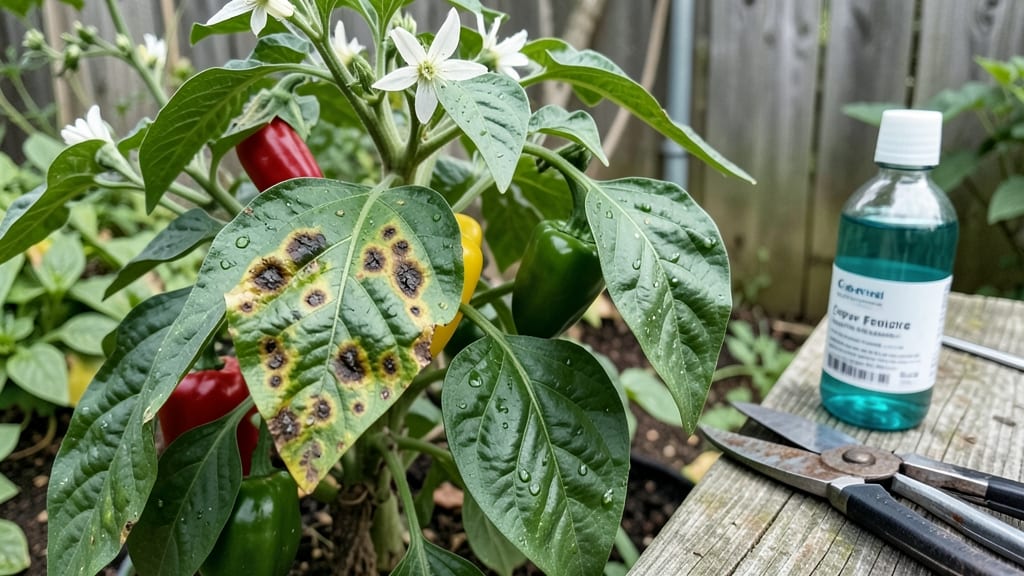
Your peppers are screaming for help—those ugly brown spots on the leaves aren’t just cosmetic. 🌿 Pepper leaf spot turns vibrant foliage into a sad, spotted mess, but I’ve saved dozens of plants with these 5 simple steps that work even on stubborn cases.
The key? Acting fast before the fungus spreads to the fruit.
This fungal disease thrives in warm, wet conditions, so it’s not your fault if it strikes. I’ve seen gardeners blame nutrient deficiencies or overwatering—until they spot the classic target-like spots with yellow halos.
The good news? Copper sprays, neem oil, and proper airflow can turn things around in 2-3 weeks if you start now.
By the end of this, your plants will bounce back with thick, disease-free leaves—ready to produce peppers like nothing happened. We’ll cover organic fixes, prevention tricks, and when to pull the plug if the damage is too severe. No more wilting disappointment at harvest time.
The best part? These methods work for tomatoes, eggplants, and other nightshades too. Let’s get your garden back to its lush, productive self before the spots take over completely.
The Hidden Triggers Behind Fungal Spots
Pepper leaf spot isn’t just a random nuisance—it’s the result of a perfect storm of environmental and biological factors. Understanding these triggers is the first step to stopping the spread and saving your plants. Let’s break down the key culprits that turn your pepper leaves into a spotted mess.
Fungal spores love damp conditions, and pepper leaf spot thrives when leaves stay wet for too long. Here’s why:
- Prolonged leaf wetness: Fungal spores (like Phytophthora or Xanthomonas) germinate and infect within 6–12 hours of moisture. Overhead watering, poor air circulation, or morning dew creates the ideal breeding ground.
- High humidity (above 75%): Stagnant, moist air prevents leaves from drying quickly, trapping spores against the surface. Greenhouses and dense plantings are especially risky.
- Poor drainage: Waterlogged soil keeps roots stressed and foliage soggy, weakening the plant’s defenses. Pro tip: Amend soil with perlite or compost to improve drainage 💡.
Fungal infections peak when temperatures are warm but not scorching—typically between 70–85°F (21–29°C). Here’s how climate plays a role:
| Factor | Why It Matters | Actionable Fix |
|---|---|---|
| Cool nights + warm days | Creates condensation on leaves, extending moisture exposure. | Use row covers or shade cloth to moderate temps. |
| Sudden temperature swings | Stresses plants, lowering resistance to pathogens. | Mulch heavily to stabilize soil temps. |
| Winter/spring transitions | Dormant spores wake up as temps rise, infecting new growth. | Prune old leaves in early spring to remove overwintering spores. |
Stagnant air = fungal paradise. Pepper leaf spot spreads faster when:
- Plants are too close: Dense foliage traps humidity and blocks sunlight, slowing evaporation. Aim for 18–24 inches between pepper plants.
- Windbreaks are missing: Without airflow, spores linger on leaves. Even a small fan (2–3 mph breeze) can reduce humidity by 20%.
- Pruning is neglected: Dead or diseased leaves harbor spores. Remove them immediately and dispose of them in the trash (not compost).
A healthy pepper plant can resist leaf spot, but stress opens the door for infection. Common weaknesses include:
- Nutrient deficiencies: Low nitrogen or potassium weakens leaves, making them easier targets. Test soil and amend with balanced fertilizer (10-10-10) if needed.
- Over-fertilization: Too much nitrogen promotes soft, succulent growth—fungi’s favorite snack. Pro tip: Switch to a low-nitrogen, high-phosphorus feed (5-10-10) to toughen leaves ✨.
- Physical damage: Hail, pests (like aphids), or rough handling create entry points for spores. Inspect plants regularly and protect them during storms.
Fungal spores are everywhere—and they hitchhike on your tools and soil. Here’s how:
- Dirty pruners/shears: Even a 1-mm residue of infected sap can transfer spores to healthy plants. Sanitize tools with 70% isopropyl alcohol or a 10% bleach solution between uses.
- Infested compost/manure: Improperly composted materials can harbor Xanthomonas bacteria. Use sterilized compost or avoid organic amendments if leaf spot is active.
- Reused containers: Plastic pots retain moisture and spores. Clean with bleach water (1:9 ratio) or solarize soil in summer to kill pathogens.
Key Takeaway: Pepper leaf spot doesn’t appear out of nowhere—it’s the result of preventable conditions. By controlling moisture, airflow, and plant health, you can starve out the fungus before it takes hold. Next up: 5 actionable steps to reverse the damage.
Fix Fungal Spots Fast
Fungal leaf spots on peppers don’t have to mean the end of your harvest—with the right approach, you can nurse your plants back to health and prevent future outbreaks.
Below, we’ve mapped out practical, step-by-step solutions tailored to the root causes of leaf spot (overwatering, poor airflow, contaminated soil, or stress). Start with the fixes that match your plant’s symptoms, then lock in prevention tips to keep your peppers thriving.
Fix: Adjust watering habits and improve soil airflow.
- 🔥 Step 1: Water Less, Water Smarter Pepper plants hate soggy roots. Water only when the top 1–2 inches of soil are dry (stick your finger in to check!). Use a moisture meter if you’re unsure. Early morning watering (before 10 AM) reduces humidity buildup, which fungi love.
- Pro Tip: 💡 Drip irrigation or soaker hoses deliver water directly to roots, minimizing leaf wetness.
- 👨🍳 Step 2: Amend Heavy or Compacted Soil If your soil stays waterlogged, mix in coarse sand, perlite, or compost to improve drainage. For containers, ensure pots have drainage holes and use a well-draining potting mix (like 60% peat/coir, 30% perlite, 10% compost).
- ⏰ Step 3: Space Plants for Airflow Crowded peppers trap moisture. Prune lower leaves to increase airflow, and space plants 18–24 inches apart (or thin seedlings if needed).
Fix: Reduce moisture and shield plants from extreme conditions.
- 🌡️ Step 1: Increase Air Circulation Use a small fan (set to low) near plants for 1–2 hours daily to dry leaves faster. Place peppers near a window with cross-ventilation or in a greenhouse with vents.
- 🍃 Step 2: Mulch Strategically Apply straw or wood chips (not plastic) around the base to regulate soil temperature and reduce evaporation. Keep mulch 2–3 inches away from stems to prevent rot.
- 🌤️ Step 3: Provide Afternoon Shade If your region hits 90°F+, use shade cloth (30–50%) during peak heat (1–4 PM) to prevent leaf scorch and stress.
Fix: Sanitize and rebuild soil health.
- 🔪 Step 1: Sterilize Tools and Pots Clean pruners, trowels, and containers with 70% isopropyl alcohol or a 10% bleach solution (1 part bleach to 9 parts water) before reuse. Avoid reusing soil from infected plants.
- 🌱 Step 2: Boost Soil with Fungicides (Natural or Chemical) - 💡 Natural Option: Spray leaves with a baking soda mix (1 tsp baking soda + 1 quart water + a few drops of dish soap) every 7–10 days.
Reapply after rain. - 🔥 Chemical Option: Use copper fungicide (like Copper Soap) or neem oil (1 tbsp neem oil + 1 quart water + 1 tsp mild soap). Spray at dawn or dusk for best results.
- 🌿 Step 3: Rotate Crops and Enrich Soil Plant peppers in a new location next season (avoid the same spot for 2–3 years). Add compost or aged manure to rebuild beneficial microbes.
Once your peppers recover, prevent recurrence with these habits: - 🌱 Choose Resistant Varieties: Opt for pepper types like ‘Aristotle’ or ‘Carmen’, bred for disease resistance. - 💧 Water at the Base: Avoid overhead watering—use a watering wand with a nozzle to direct streams to soil. - 🍄 Monitor for Early Signs: Check leaves weekly for tiny yellow/brown spots.
Act fast—remove and destroy spotted leaves immediately (don’t compost them!). - 🌿 Companion Plant: Interplant peppers with marigolds, basil, or onions to deter fungal spores naturally.
🎯 Remember: Consistency is key. Fungal spots often return if conditions (like humidity or overwatering) aren’t addressed long-term. With these fixes, your peppers will bounce back—and stay spot-free!
Frequently asked questions
What do pepper leaf spot symptoms look like?
Pepper leaf spot starts with tiny water-soaked brown or black spots that often have yellow halos. As it progresses, spots grow larger (up to 1/4 inch) and may develop gray centers. Severe cases cause leaves to yellow, crisp, and drop prematurely. Check the undersides of leaves too—spores often gather there first.
Is pepper leaf spot contagious to other plants?
Yes! Fungal spores spread easily to nearby plants through water splashes, tools, or wind. The same pathogens causing pepper leaf spot can infect tomatoes, eggplants, and other nightshades. Isolate infected plants immediately and sanitize tools with 70% alcohol or bleach solution to prevent cross-contamination.
Can I still harvest peppers if the leaves have spots?
Yes, but focus on healthy, mature peppers—the fungus rarely spreads to fruit. Remove and destroy any spotted leaves (don’t compost them!) to protect the plant’s energy. If spots appear on stems or fruits, harvest immediately and destroy the affected produce.
How often should I apply fungicide for pepper leaf spot?
For preventive care, spray neem oil or copper fungicide every 7–10 days during humid seasons. If your plants are already infected, apply treatments every 5–7 days until new growth appears spot-free. Always spray at dawn or dusk to avoid burning leaves in sunlight.
Will pruning help stop pepper leaf spot from spreading?
Prune all infected leaves immediately and dispose of them in the trash (not compost). Remove lower leaves to improve airflow, and thin crowded plants to 18–24 inches apart. Sterilize pruners between cuts with rubbing alcohol to prevent spreading spores.