
Leaf Blower
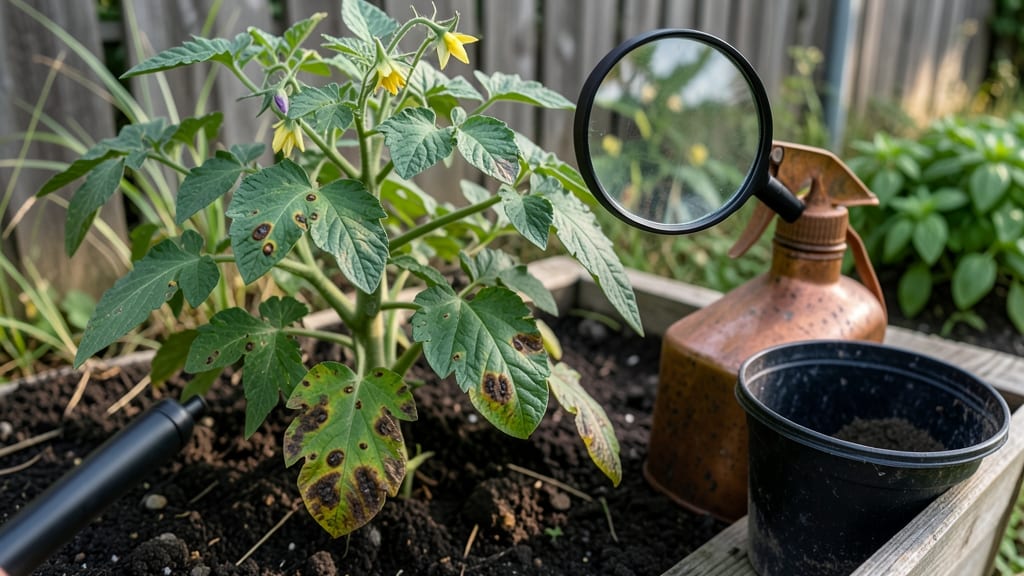
That first dark spot on your peach tree leaves isn’t just an eyesore—it’s Phyllosticta leaf spot, a fungal blight that spreads faster than you’d think. 🌿 I’ve watched entire branches turn yellow and drop within weeks, and the key to stopping it?
Acting now before it takes hold. The fungus thrives in wet conditions, so heavy rain or overhead watering turns your yard into a breeding ground. Common hosts include fruit trees, ornamentals, and even some vegetables—once it starts, pruning alone won’t save your plants.
You’ll need a mix of fungicides, proper spacing, and cleanup to break the cycle. What you’ll get is a quick fix that keeps your plants healthy and your garden looking sharp.
I’ll show you the exact steps—from spotting the early signs to applying treatments that actually work—so you can stop the spread before it’s too late. This works for any garden, from backyard fruit trees to container-grown ornamentals. Let’s get those leaves back to their best!
Understanding Fungal Leaf Blight Triggers
Fungal leaf blight, like Phyllosticta leaf spot, doesn’t just appear out of nowhere—it thrives when specific conditions align. Understanding these triggers is key to stopping outbreaks before they damage your plants. Below, we break down the primary causes behind this stubborn fungal infection, so you can address them directly.
The Phyllosticta fungus loves moisture—too much of it, in fact. When leaves stay damp for prolonged periods (think rain, fog, or even excessive irrigation), fungal spores germinate and spread rapidly. Here’s why:
- Spores need water to activate and infect plant tissue. A single overnight dew or prolonged rainstorm can trigger an outbreak.
- Poor air circulation in dense foliage traps moisture, creating a fungal paradise. Crowded plants or thick canopies worsen the problem.
- High humidity (above 75%) keeps leaves wet longer, giving spores extra time to colonize.
Actionable fix: Space plants for airflow, water early in the day (so leaves dry by evening), and avoid overhead irrigation. If rain is forecast, apply a preventative fungicide as a shield.
Healthy plants resist infections, but stress makes them vulnerable. The Phyllosticta fungus exploits plants that are:
- Nutrient-deficient (especially low in nitrogen or potassium).
- Drought-stressed or recovering from root damage.
- Physically damaged (from hail, insects, or improper pruning).
Why? Stress disrupts the plant’s natural defenses, like cuticle integrity and antifungal compounds, making it easier for spores to invade.
Actionable fix: Maintain balanced soil fertility, mulch to retain moisture, and prune carefully to avoid tears. If you’ve had recent stress (e.g., transplant shock), monitor for early spots and treat proactively.
Fungal spores are persistent. They can linger in:
- Pruning shears, rakes, or gloves used on infected plants.
- Infested soil or compost from previous plantings.
- Infected plant debris left in the garden (e.g., fallen leaves, stems).
When you move these tools or plant in contaminated soil, you’re essentially seeding new infections.
Actionable fix: Sterilize tools with 70% isopropyl alcohol or a bleach solution (1 part bleach to 9 parts water). Remove and destroy infected plant material before it decomposes. For soil, solarize beds in summer or use beneficial fungi like Trichoderma to outcompete pathogens.
The Phyllosticta fungus thrives in moderate warmth (60–85°F / 15–30°C), especially when combined with moisture. Here’s the science:
- Optimal spore germination occurs at 77–86°F (25–30°C) with high humidity.
- Slow drying (e.g., in greenhouses or shaded areas) extends the infection window.
- Nighttime temperatures that don’t drop below 60°F (15°C) prevent natural fungal dormancy.
Actionable fix: Improve airflow with fans or strategic pruning. In greenhouses, use ventilation systems and avoid overwatering. If you’re in a hot, humid climate, apply copper-based fungicides as a preventative barrier.
By tackling these root causes—moisture, stress, contamination, and temperature—you’ll disrupt the fungus’s life cycle before it takes hold. The key is prevention, not just reaction. Keep your plants resilient, and you’ll spot-treat blight before it becomes a full-blown crisis.
Quick Fixes for Fungal Leaf Damage
Fungal infections like Phyllosticta leaf spot can turn your lush greenery into a sad, spotted mess—but don’t panic! With the right approach, you can stop the spread and revive your plants.
Below, we’ve mapped out practical, step-by-step solutions based on the root causes (overwatering, poor airflow, contaminated tools, or stress) and paired them with prevention tips to keep your garden healthy long-term.
If your plants are soggy from excess moisture, fungi thrive like weeds in a rainstorm. Act fast to dry things out and improve airflow.
🍳 Step 1: Adjust Your Watering Routine
- Water deeply but less often—aim for 1–1.5 inches per week (including rain). Use a moisture meter to check soil levels before watering.
- Water in the morning (not evening) so leaves dry quickly.
Wet foliage at night = fungal buffet. - Avoid overhead sprinklers—use drip irrigation or soaker hoses to keep leaves dry.
👨🍳 Step 2: Improve Soil & Drainage
- Amend heavy clay soil with compost or perlite to help water drain faster.
- Raise garden beds if drainage is chronically poor—elevated soil stays drier.
- Mulch properly: Use 2–3 inches of organic mulch (straw, wood chips) but keep it 2 inches away from stems to prevent moisture buildup.
🌡️ Pro Tip:
💡 Test your soil’s pH—fungi love acidic soils (pH < 6.0). Aim for 6.0–7.0 with lime (to raise pH) or sulfur (to lower it).
Once spots appear, remove infected leaves immediately to prevent spores from spreading. Then, treat aggressively with these options:
🔪 Option 1: Baking Soda Spray (Mild Cases)
- Mix 1 tsp baking soda + 1 tbsp horticultural oil + 1 tsp dish soap in 1 gallon of water.
- Spray every 7–10 days (especially after rain) until new growth is spot-free.
- Works best on: Vegetables, ornamentals, and young plants.
⏰ Option 2: Copper Fungicide (Moderate to Severe Cases)
- Use copper-based fungicides (like Copper Soap or Cheshunt Compound) at first sign of spots.
- Follow label instructions—reapply every 7–14 days or after rain.
- Best for: Persistent outbreaks or high-value crops (e.g., citrus, roses).
🌿 Option 3: Neem Oil or Potassium Bicarbonate (Organic Choice)
- Neem oil spray: Mix 1 tbsp neem oil + 1 tsp soap in 1 quart of water.
Spray weekly for 3–4 weeks. - Potassium bicarbonate: Use 1–2 tbsp per gallon of water (add a drop of soap as a sticker). Spray every 10 days. - Why it works: Disrupts fungal cell walls without harming beneficial insects.
The best cure? Stop fungi before they start. Here’s how:
🎯 1. Sanitize Everything
- Clean tools with 70% rubbing alcohol or a 10% bleach solution between uses.
- Remove and destroy heavily infected leaves (don’t compost them—bag and trash them).
- Rotate crops yearly to prevent soil-borne fungi from building up.
✨ 2. Boost Plant Health
- Fertilize wisely: Over-fertilizing (especially with nitrogen) weakens plants.
Use a balanced 10-10-10 or organic compost tea. - Prune for airflow: Thin out dense foliage so air circulates—fungi hate dry, breezy conditions. - Choose resistant varieties: Some plants (like disease-resistant tomatoes or citrus varieties) naturally fight Phyllosticta.
🌱 3. Monitor & Act Early
- Inspect plants weekly, especially after rain or humidity spikes.
- Isolate new plants for 2 weeks to check for spots before mixing with your garden.
- Use reflective mulch (like aluminum foil) under plants to reduce humidity near the soil.
If your plants are severely defoliated or the fungus keeps returning despite treatments, consult a local extension service or arborist. They can recommend targeted fungicides or diagnose if another issue (like bacterial leaf spot) is at play.
Remember: Fungal leaf spots are manageable—speed and prevention are your best tools. With these fixes, your plants will bounce back greener and stronger than ever! 🌿💚
Frequently asked questions
What plants are most commonly affected by Phyllosticta leaf spot?
This fungal disease primarily targets fruit trees like peaches, plums, and citrus, but it also attacks ornamentals such as roses, azaleas, and hydrangeas. Vegetables like tomatoes and eggplants can also develop symptoms, especially in humid climates. Early detection is key—watch for tiny dark spots with yellow halos on leaves.
How can I tell if my plant has Phyllosticta leaf spot vs. another fungal disease?
Phyllosticta spots start as small, dark brown to black lesions with no white or gray centers (unlike powdery mildew). Look for irregular edges and yellowing around the spots. Unlike anthracnose (which causes sunken lesions), Phyllosticta spots remain flat. A hand lens helps confirm the fungal fruiting bodies under spots.
Can I save a severely infected plant, or should I remove it?
For moderate infections, prune affected branches 1 inch below the last spot and treat with copper fungicide. But if 50%+ of leaves are damaged or the plant is a small annual, removal is safer—fungal spores can persist in dead plant material. Always sterilize pruning tools to prevent spreading spores to healthy plants.
How often should I reapply fungicide treatments?
After initial treatment, reapply copper-based fungicides every 7–10 days or after heavy rain. For organic options like neem oil or potassium bicarbonate, spray weekly for 4 weeks during humid conditions. Always follow label instructions—overuse can harm beneficial microbes in the soil or burn foliage.
Will this fungus spread to other plants in my garden?
Yes, spores travel via wind, water, or contaminated tools. To prevent spread: Isolate infected plants until treated, sterilize tools between uses, and avoid overhead watering. Remove fallen leaves promptly—don’t compost them. Healthy plants with good airflow resist infection better than crowded, stressed ones.