
Companion Plants
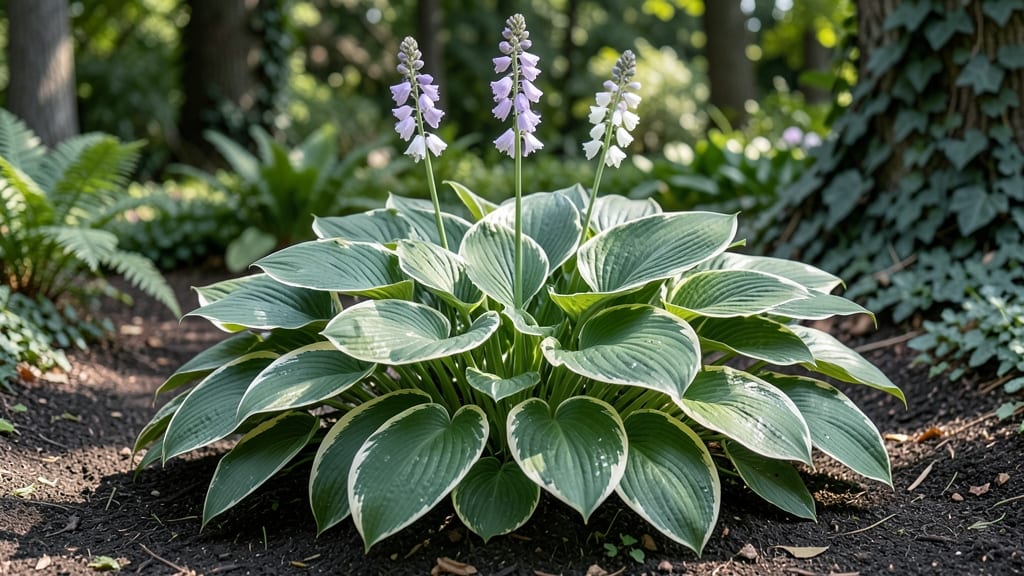
Pointed leaf plants like snake plants and yucca add sharp architectural interest to any garden. 🌿 I've learned the hard way that these striking plants need the right companions to thrive—some love shade, others crave sun, and a few even improve soil for their neighbors.
The secret is pairing them with plants that match their growing habits and complement their bold forms.
These plants thrive in well-draining soil and prefer less frequent watering, which makes them perfect for pairing with drought-tolerant companions like lavender or sedum. Snake plants, for example, pair beautifully with ferns in shady spots, while yucca loves the company of ornamental grasses in sunny areas.
The key is matching their water needs—overwatering is the fastest way to kill them.
You'll end up with a garden that feels balanced, with pointed leaves cutting through softer textures like hostas or ornamental kale. The contrast creates visual drama while keeping maintenance simple.
Just remember: these plants are tough but not indestructible—watch for pests like spider mites, which love dry conditions just as much as your pointed-leaf pals.
Whether you're designing a modern container garden or filling a shady corner, these pairings work in any space. Start small with one or two plants, then expand as you see what combinations work best in your climate. The results? A garden that's both striking and low-maintenance.
📚 In This Guide
- What you need
- Instructions
- Tips and common mistakes
- Wrapping up and next steps
What you need
- ● Pointed leaf plants: Choose 3–5 varieties (e.g., Dracaena marginata, Yucca filamentosa, or Agave americana). Select healthy, mature specimens with firm, upright foliage.
- ● Companion plants: Pick 2–4 complementary species (e.g., Lavender, Succulents, or Ornamental Grasses) to enhance aesthetics and support growth.
- ● Well-draining soil: 5–10 cubic feet of cactus/succulent mix or amended garden soil (add perlite or sand for drainage).
- ● Containers or garden beds: For containers: 1–2 pots per plant (12–18 inches in diameter) with drainage holes.
- ● For in-ground planting: A sunny, sheltered spot with loose, rocky soil.
- ● Gardening gloves (1 pair) – Protect your hands from thorns or rough edges.
- ● Trowel or hand shovel – For transplanting and soil amendments.
- ● Pruning shears – To trim dead leaves or shape plants.
- ● Watering can or hose with a gentle spray nozzle – Avoid overwatering!
- ○ Mulch (optional): Gravel or bark chips (1–2 bags) – Helps retain moisture and suppress weeds.
- ○ pH testing kit (optional): Ensures soil pH is 6.0–7.5 (ideal for most pointed leaf plants).
- ● Sunlight access: 6+ hours of direct sun daily (adjust for shade-tolerant varieties).
- ● Climate suitability: Check hardiness zones (most thrive in USDA Zones 7–11).
- ● Patience: Pointed leaf plants grow slowly—plan for long-term enjoyment! 🌵
How to pair pointed leaf plants for a stunning garden display
Here's my go-to approach for combining pointed leaf plants like yuccas, agaves, and aloes into cohesive, low-maintenance designs.
🌿 Step 1: Group by Sunlight and Water Needs
Start by sorting your pointed leaf plants into three categories: full sun lovers (yuccas, agaves), partial sun tolerators (some aloes), and drought-resistant varieties (like hens-and-chicks). I always place the sun-seekers together in the hottest spots—this prevents competition for light that leads to leggy growth.
Notice how some pointed leaf plants have silvery-blue foliage (like blue agave) while others are deep green (like snake plant). Grouping by color creates natural visual harmony. Place the silvery varieties in the front where their texture pops against the green backdrop.
🪴 Step 2: Create Height Variation with Strategic Placement
Arrange your tallest pointed leaf plants (like yuccas) at the back or center of your design, where they can anchor the space. I like to place medium-height varieties (like some aloes) in the middle tier, and low-growing types (like hens-and-chicks) in the front. This creates natural layers that draw the eye upward.
Leave 12-18 inches between larger plants and 6-12 inches between smaller ones. The extra space prevents root competition and makes each plant's form stand out. You'll see how this spacing lets each pointed leaf's unique shape shine without crowding.
☀️ Step 3: Add Contrasting Textures for Visual Interest
Pointed leaf plants thrive when paired with contrasting textures. I always mix them with rounded-leaf plants like lamb's ear or dusty miller to create dynamic movement. The sharp angles of yucca leaves against the softness of lamb's ear create instant visual interest.
Add a few trailing plants (like sedum or creeping thyme) around the base of your pointed leaf specimens. This softens the sharp lines while keeping the overall design cohesive. The trailing plants also help suppress weeds naturally, reducing maintenance.
💧 Step 4: Establish a Consistent Watering Schedule
Once your pointed leaf plants are grouped, establish a watering routine based on the driest variety in each section. Most pointed leaf plants need water only when the soil feels completely dry to the touch, which might be every 2-3 weeks in summer or monthly in winter.
I use a soaker hose for watering to deliver moisture directly to the roots without wetting the foliage. This prevents fungal issues that can discolor those beautiful pointed leaves. Water in the early morning so leaves have all day to dry completely.
✂️ Step 5: Prune and Maintain for Long-Term Health
Remove any dead or damaged leaves immediately to keep your pointed leaf plants looking their best. I use clean, sharp pruners to make precise cuts at the base of the plant. This prevents unsightly brown patches from spreading and keeps the plant's energy focused on new growth.
In late winter, apply a 2-inch layer of gravel or decomposed granite around your pointed leaf plants. This helps regulate soil temperature and prevents moisture from pooling against the leaves. The mulch also creates a clean, polished look that makes the plants' architectural forms stand out even more.
Tips & tricks for perfect pointed leaf plant arrangements
These simple strategies will help you create stunning, low-maintenance displays that showcase your pointed leaf plants' natural beauty.
Color Placement Matters: In Step 1, when arranging your silvery-blue varieties like blue agave, place them in the front of your design. This creates a striking visual contrast against deeper green plants in the back. The light reflects differently, making the textures pop even more. I've found that this simple trick instantly elevates the overall look without adding any extra plants.
Height Strategy: For Step 2, think vertically! Tall yuccas should anchor the center or back of your arrangement, with medium aloes behind them and low-growing hens-and-chicks in front. This creates natural layers that draw the eye upward. The 12-18 inch spacing between larger plants might feel generous, but trust me—it prevents root competition and makes each plant's unique form stand out beautifully.
Texture Contrast: When adding contrasting textures in Step 3, don't overlook the power of rounded leaves. Lamb's ear's fuzzy texture creates instant visual interest against yucca's sharp edges. I like to place 2-3 lamb's ear plants around each yucca to create that perfect balance. The trailing sedum or thyme at the base adds another dimension while keeping the design cohesive.
Watering Wisdom: In Step 4, remember that these plants are drought-tolerant by nature. The 2-3 week watering guideline works best when you check soil moisture first. Stick your finger 2 inches into the soil—if it feels dry, that's your cue. Morning watering is key because it gives leaves all day to dry completely, preventing those unsightly fungal spots that can appear on pointed leaves.
Pro Tips for Pointed Leaf Plants
- These simple strategies will help you create stunning, low-maintenance displays that showcase your pointed leaf plants' natural beauty.
- Color Placement Matters: In Step 1, when arranging your silvery-blue varieties like blue agave, place them in the front of your design.
- Height Strategy: For Step 2, think vertically!
Frequently asked questions
Got questions about pairing pointed leaf plants in your garden? You’re not alone! Here are some of the most common queries—plus quick, actionable answers to keep your green space flourishing.
What are the best companion plants for pointed leaf plants like Sansevieria or Dracaena?
Pointed leaf plants thrive alongside succulents, snake plants, and spider plants—they share similar care needs (low light, minimal water). For a bold combo, pair them with ferns or calatheas to add texture. Avoid moisture-loving plants like ferns or peace lilies, which can rot their roots. Pro tip: Use trailing plants like string of pearls to create a cascading effect!
How long does it take for companion plants to show visible benefits?
Visible benefits (like pest control or improved growth) usually appear within 4–8 weeks, depending on the pairing. For example, marigolds (a natural pest repellent) may deter aphils from your Dracaena in just a few weeks. Patience is key—focus on soil health and light consistency first. Track progress with a journal for fun insights!
Can I pair pointed leaf plants with high-water plants like ferns?
Not ideal! Pointed leaf plants (e.g., Sansevieria) prefer dry soil and can suffer in soggy conditions. If you love ferns, separate them by at least 2 feet or use raised beds. For a happy medium, opt for drought-tolerant companions like aloe vera or haworthia. Troubleshooting: Yellowing leaves? Check drainage immediately!
What’s the easiest way to troubleshoot yellowing leaves in pointed leaf plants?
Yellow leaves often signal overwatering or nutrient deficiency. First, let the soil dry completely between waterings. If the issue persists, repot with fresh, well-draining soil and add a balanced fertilizer (like 10-10-10). Rule of thumb: If the leaves feel mushy, cut back on water; if they’re crispy, increase humidity slightly.
Are there any low-maintenance alternatives to pointed leaf plants?
Try Zamioculcas (ZZ plant) or Pothos—both are nearly indestructible and love similar conditions. For a pop of color, peperomia varieties (like Watermelon Peperomia) are vibrant yet easy. Budget tip: Check local plant swaps or propagate cuttings from friends’ gardens!
Wrapping up and next steps
Pointed leaf plants bring drama and texture to any garden, but their success hinges on smart companion pairings—think ferns, hostas, and shade-loving perennials to create harmony. By balancing light, moisture, and growth habits, you’ll craft a low-maintenance, high-impact space that thrives year-round.
Ready to elevate your garden? Start small: swap one plant this season and observe the difference! Whether you’re a seasoned gardener or just beginning, every step counts. Happy planting! 🌿✨