
Pests and Diseases
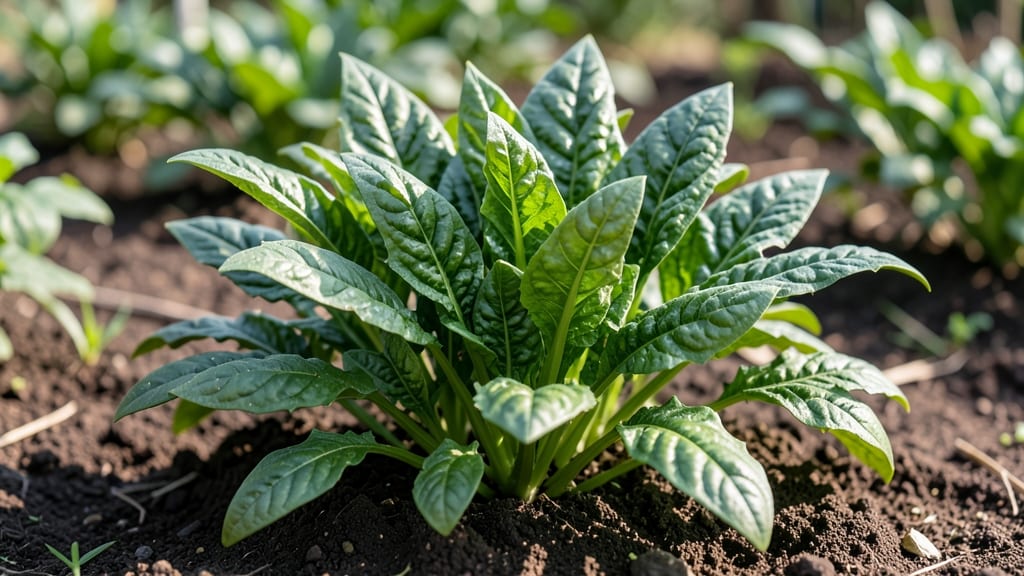
Growing pointy leaf spinach like Bloomsdale Long Standing means fresh, crunchy greens all year—even when other varieties bolt. 🌱 I’ve grown this variety through three winters, and the secret isn’t just patience; it’s knowing exactly when to plant, how to protect it, and when to harvest for maximum yield.
Unlike delicate flat-leaf spinach, these plants shrug off pests and cold snaps, giving you a reliable harvest when others fail.
The key starts with soil: rich, well-draining, and amended with compost before planting. Space seeds 1 inch apart in rows 12 inches apart, and cover lightly with soil—no deeper than ½ inch.
This variety thrives in cool weather, so plant in early spring or late summer for fall harvests. In mild climates, you can even grow it through winter with a little row cover protection.
Once established, keep the soil consistently moist but never soggy—spinach hates wet feet. A light mulch of straw helps retain moisture and keeps weeds at bay. Fertilize lightly with balanced organic fertilizer every 4-6 weeks, and watch as your plants grow into 12-inch-tall powerhouses of greens.
The first harvest comes in just 30-40 days, and you can keep picking outer leaves for weeks without harming the plant.
Pests like aphids and slugs rarely bother this variety, but if they do, a spray of soapy water or neem oil usually clears them up. The real challenge?
Overcrowding—thin seedlings early to avoid competition. With the right care, you’ll have a steady supply of tender, nutrient-packed greens that outperform store-bought spinach in both flavor and resilience.
📚 In This Guide
- What you need
- Instructions
- Tips and common mistakes
- Wrapping up and next steps
What you need
- ● Pointy Leaf Spinach Seeds: 1–2 oz (about 100–200 seeds, depending on spacing). Choose organic, non-GMO seeds for best results.
- ● Well-Draining Soil: 10–15 lbs of high-quality potting mix or garden soil (pH 6.0–7.5). Add compost (5–10 lbs) for nutrients.
- ● Containers or Garden Bed: For Containers: 5–10 gallon pots with drainage holes (1–2 plants per pot).
- ● For Garden Beds: A 3’x6’ raised bed or in-ground plot (space seeds 4–6 inches apart).
- ● Watering Can or Hose: With a fine mist nozzle for gentle watering.
- ● Organic Mulch: Straw or shredded leaves (2–3 inches thick) to retain moisture and deter pests.
- ● Gloves: Gardening gloves to protect your hands.
- ● Trowel or Hand Fork: For transplanting seedlings or loosening soil.
- ○ Row Cover or Mesh: Optional but highly recommended (1–2 yards) to shield seedlings from pests like flea beetles.
- ● Fertilizer: Balanced 10-10-10 or fish emulsion (1 tbsp per plant every 3–4 weeks).
- ● Sunlight Access: Partial shade (4–6 hours of sun/day) is ideal—avoid harsh afternoon rays.
- ● 🌡️ Temperature: Start seeds indoors at 60–70°F or sow directly in cool soil (40–50°F).
- ● ✨ Pest Defense: Plant near garlic or chives to naturally repel pests.
Step-by-Step guide for growing pointy leaf spinach
Here's how to cultivate this hardy, pest-resistant spinach variety for continuous harvests.
🌱 Step 1: Prepare the Soil for Planting
Pointy leaf spinach thrives in loose, nutrient-rich soil with excellent drainage. Work in 2-3 inches of compost into the top 6 inches of soil—this variety responds well to organic matter. I like to mix in a handful of aged manure or worm castings for extra fertility. The soil should feel crumbly and hold moisture without becoming soggy.
Test your soil's pH before planting—spinach prefers a slightly acidic to neutral range of 6.0-7.0. If your soil runs heavy clay, add sand or perlite to improve aeration. This variety tolerates cooler soils better than most, so don't wait until the last frost to plant—it grows well at 40-60°F temperatures.
☀️ Step 2: Choose the Right Planting Location
Select a spot that receives partial shade—especially in hotter climates. Pointy leaf spinach bolts (goes to seed) quickly in intense heat, so morning sun with afternoon shade works best. If growing in summer, provide 30-50% shade cloth to protect tender leaves. I've found that planting near taller crops like corn or sunflowers creates natural shade for later plantings.
Space seeds 1-2 inches apart in rows 12-18 inches apart to allow for leaf expansion. For continuous harvests, stagger plantings every 2 weeks—this ensures you always have fresh growth. Thin seedlings to the strongest 4-6 inches apart once they develop 2-3 true leaves. Use scissors to avoid disturbing roots when thinning.
💧 Step 3: Water and Maintain Consistent Moisture
Keep the soil evenly moist—never let it dry out completely, but avoid waterlogging. Spinach prefers 1 inch of water per week, delivered through drip irrigation or soaker hoses to keep foliage dry. Water in the early morning to prevent fungal diseases. You'll know moisture is right when the soil feels like a wrung-out sponge—damp but not dripping.
Mulch with 2-3 inches of straw or shredded leaves to retain moisture and suppress weeds. This variety handles cooler temperatures well, but a thick mulch layer protects roots from sudden temperature swings. Fertilize lightly with fish emulsion or seaweed extract every 3-4 weeks to maintain vigor without encouraging rapid bolting.
✂️ Step 4: Harvest for Continuous Production
Begin harvesting outer leaves when plants reach 4-6 inches tall—this encourages bushier growth. Use clean scissors or fingers to snip leaves at the base, leaving the center intact. For baby leaves, harvest when they're 2-3 inches long for tender, sweet flavor. Regular harvesting prevents bolting and extends the season.
Pointy leaf spinach handles cold better than most varieties, so you can often harvest through light frosts. If temperatures drop below 20°F, cover plants with row fabric or a cloche for protection. In warm climates, succession planting every 2 weeks ensures a steady supply. The more you harvest, the more the plant produces—this variety truly rewards consistent attention.
🪴 Step 5: Overwintering for Year-Round Growth
For extended harvests, plant a final crop in late summer using row covers to protect from heat. This variety tolerates cooler fall and winter conditions, producing sweet leaves even at 35°F. Apply a thick layer of mulch (4-6 inches) before the first frost to insulate roots. In mild climates, you can harvest through winter with protection.
Remove old growth in early spring before new shoots emerge. Spinach self-seeds readily, so you'll often find volunteers popping up in spring—simply thin these to maintain plant spacing. The key to year-round success is consistent moisture and protection from extreme temperatures. With proper care, pointy leaf spinach delivers harvests for 6-8 months in ideal conditions.
Tips & tricks for perfect pointy leaf spinach growth
These practical insights will help you maximize your harvest and avoid common gardening pitfalls.
Soil Preparation Secret: The 2-3 inches of compost you work into the top 6 inches of soil isn't just about nutrients—it's about creating the perfect crumbly texture. I've found that adding a handful of coffee grounds along with the compost boosts nitrogen levels without overpowering the soil. The key is to mix them thoroughly so you don't create pockets of concentrated acidity that could harm tender roots.
Shade Strategy: When using that 30-50% shade cloth mentioned in Step 2, don't just throw it over randomly. Secure it at least 2 feet above the plants to allow airflow and prevent moisture buildup on leaves. I've seen spinach develop fungal issues when shade cloth touches foliage—it creates a humid microclimate perfect for disease. Also, consider removable shade during cooler parts of the day when temperatures drop below 70°F.
Watering Wisdom: That 1 inch of water per week guideline works perfectly in most climates, but I've learned to adjust based on your soil's moisture retention. After heavy rain, let the soil dry slightly between waterings—spinach roots need oxygen too. A simple test: stick your finger 1 inch into the soil; if it feels dry, it's time to water. Early morning watering is crucial because it gives leaves time to dry before evening, reducing fungal risks.
Harvesting Hack: When harvesting those 4-6 inch leaves, don't just grab the biggest ones. Focus on the outer leaves first—they're more mature and won't stunt the plant's growth. I've found that harvesting every 2-3 weeks actually encourages more prolific growth. For baby leaves, I wait until they're about 2-3 inches long, but I always leave at least one inner leaf to keep the plant producing. This method gives me continuous harvests for months.
Pro Tips for Pointy Leaf Spinach
- These practical insights will help you maximize your harvest and avoid common gardening pitfalls.
- Soil Preparation Secret: The 2-3 inches of compost you work into the top 6 inches of soil isn't just about nutrients—it's about creating the perfect crumbly texture.
- Shade Strategy: When using that 30-50% shade cloth mentioned in Step 2, don't just throw it over randomly.
Frequently asked questions
Got questions about growing pointy leaf spinach? You’re not alone!
Whether you're a first-time gardener or a seasoned green thumb, these common queries can help you avoid pitfalls and maximize your harvest. Here’s what you need to know:
Is pointy leaf spinach really pest-resistant?
Yes! This variety is bred to resist common pests like aphids, slugs, and leaf miners. Its pointed, crinkled leaves make it less appealing to nibbling insects, and its tougher texture deters soft-bodied pests. However, no plant is 100% pest-proof—regular monitoring and companion planting (like garlic or herbs) can boost protection.
How long does it take to harvest pointy leaf spinach?
You can start harvesting just 30–40 days after sowing, depending on your climate. For baby leaves, snip outer leaves when they’re 4–6 inches tall. For mature harvests, wait until leaves reach 8–10 inches but avoid letting them bolt (flower). Pro tip: Successive planting every 2–3 weeks ensures a steady supply!
Can I grow pointy leaf spinach in cold weather?
This variety thrives in cool temperatures (35–75°F) and is one of the hardiest spinach types. It tolerates light frosts and even light snow (as long as the ground isn’t frozen). For winter growing, use row covers or cold frames to extend the season. Bonus: It’s less prone to bolt in early spring!
What’s the best way to store harvested pointy leaf spinach?
Store leaves in a perforated plastic bag with a damp paper towel in the fridge for up to 10 days. For longer storage, blanch and freeze (trim, blanch for 2 minutes, then freeze in airtight containers). Warning: Avoid washing until ready to use—excess moisture speeds up spoilage.
What can I substitute if I can’t find pointy leaf spinach?
If this variety isn’t available, try ‘Bloomsdale Long Standing,’ ‘Tyee,’ or ‘Space’ spinach—they’re also cold-hardy and pest-resistant. For a similar texture, Swiss chard or Malabar spinach (a vine, not true spinach) work in recipes. Note: Flavor and growth habits may vary slightly!
What do I do if pests still attack my pointy leaf spinach?
Start with organic sprays like neem oil or insecticidal soap for aphids/mites. For slugs, use copper tape or diatomaceous earth. If fungal issues (like downy mildew) appear, remove affected leaves and improve airflow. Crop rotation and healthy soil are your best defenses long-term!
Wrapping up and next steps
Pointy leaf spinach isn’t just another leafy green—it’s your pest-resistant superstar for a year-round harvest! 🌱 With its natural toughness and adaptability, this variety makes gardening easier while packing a nutritional punch.
Whether you're a seasoned gardener or just starting out, its resilience and versatility are a game-changer for your garden.
Ready to grow your own thriving patch? Start by gathering your supplies, choosing the right spot, and following the simple steps outlined above. Soon, you’ll be enjoying fresh, homegrown spinach—without the pest problems! 🌿