
Pests and Diseases
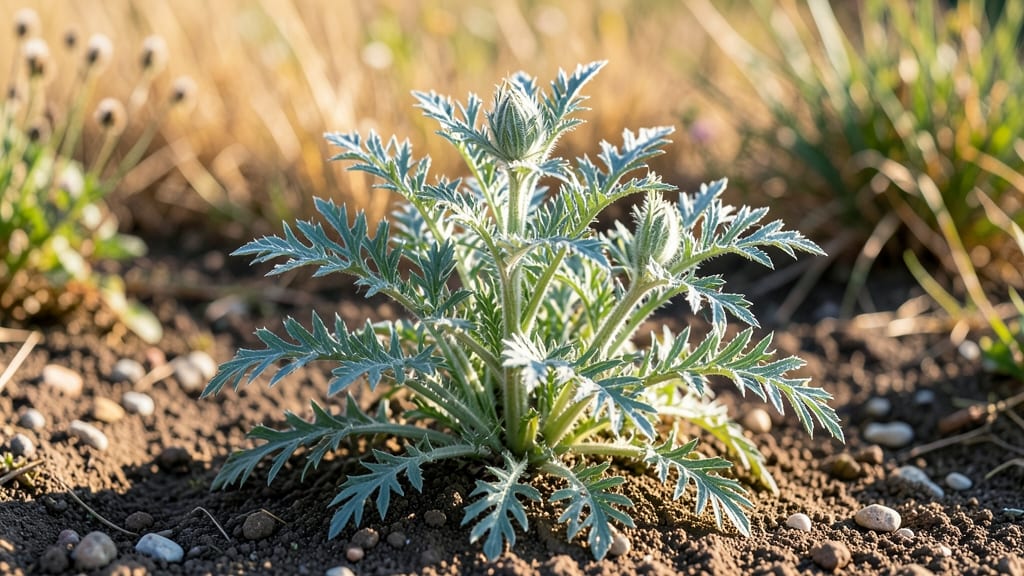
Poppy leaf identification saves you from costly mistakes—especially when that pretty seedling could be a toxic lookalike. 🌱 I’ve pulled up enough "weeds" to know the subtle differences between edible poppies and their dangerous cousins, and the key is in the leaf shape, color, and growth pattern.
Start with the opium poppy (Papaver somniferum), which has deeply lobed, gray-green leaves with a waxy sheen, while corn poppy (Papaver rhoeas) leaves are finely divided and bright green.
Immature leaves are easier to confuse, so check the venation pattern: toxic poppies have prominent veins, while edible varieties like California poppy (Eschscholzia) have feathery, fern-like foliage.
A quick check of the leaf arrangement and stem texture can prevent mix-ups—edible poppies grow in a basal rosette, while toxic types often have a single, upright stem. Always verify with a trusted source before harvesting, because even a small mistake can have serious consequences.
This method works for gardeners in Zones 3-10, and the same rules apply whether you're dealing with seedlings or mature plants. Grab a magnifying glass and let’s get identifying!
📚 In This Guide
- What you need
- Instructions
- Tips and common mistakes
- Wrapping up and next steps
What you need
- ● Fresh or dried poppy leaves: Collect from plants in your garden or use a reference sample (ensure legal compliance with local regulations).
- ● Magnifying glass (10x magnification): Helps examine fine details like leaf texture, veins, and edges.
- ● Ruler or measuring tape: For comparing leaf size (poppy leaves typically range from 2–8 inches long).
- ● Field guide or smartphone with plant ID apps: Apps like iNaturalist or PlantNet can cross-reference your findings.
- ● Notebook and pen: Sketch leaf shapes, note colors, and record observations (e.g., "lobed edges," "blue-green hue").
- ○ Gloves (optional but recommended): Some poppies (like Papaver somniferum) may irritate skin or have legal restrictions.
- ● Camera or phone with good lighting: Capture close-ups of leaf undersides, stems, and flowers for later review.
- ● Handheld UV flashlight: Some poppy species fluoresce under UV light, aiding in differentiation.
- ● Small plastic bags or press: Preserve samples for long-term reference (press leaves between paper towels under a heavy book).
- ● Local gardening forum or expert: Connect with others in your area for regional insights (e.g., "Opium poppies are rare here—likely a weed!").
- ● Safety goggles: If handling unknown plants, protect your eyes from potential irritants.
Step-by-Step guide to identifying poppy leaves
Here’s how I quickly distinguish edible poppies from weeds—no confusion, just clear visual cues.
🌱 Step 1: Examine Leaf Shape and Structure
Edible poppy leaves—like those from opium poppy (Papaver somniferum) or California poppy (Eschscholzia californica)—have a distinct lobed or finely divided shape. Look for deeply cut, fern-like leaves with smooth edges and hairless surfaces. The California poppy’s leaves are particularly delicate, almost feathery, while the opium poppy’s are broader and more rounded at the base.
Weedy look-alikes, like Argemone (prickly poppy) or Chelidonium (celandine poppy), often have thick, waxy leaves with toothed or jagged edges. Prickly poppy leaves also bear spiny hairs—a dead giveaway. If the leaves feel rough or prickly, it’s not edible.
☀️ Step 2: Check the Stem and Growth Pattern
Edible poppies grow upright with a single main stem that branches only near the top. The stems are smooth and slightly hairy in opium poppies, while California poppies have bare, slender stems. Look for alternate leaf arrangement—each leaf grows directly from the stem at different heights, never overlapping.
Weeds like Papaver rhoeas (corn poppy) or Glaucium (horned poppy) often have multiple stems or sprawling, bushy growth. Their leaves may appear clustered at the base or irregularly spaced. If the plant looks leggy or sprawling, it’s likely a weed.
🌿 Step 3: Inspect the Base and Root System
Dig gently at the soil line to check the root structure. Edible poppies have taproots—a single, thick root that grows straight down. The California poppy’s roots are fibrous but not woody, while opium poppy roots can be stouter and more robust. If the roots are thin and fibrous all around, it’s a weed.
Weedy poppies often have multiple smaller roots or shallow, spreading roots. Look for yellowish or orange sap when cutting the stem—this is a red flag for toxic look-alikes like Argemone. Edible poppies have clear or milky sap, not colored.
✂️ Step 4: Verify Flower and Seed Pod Clues
Edible poppies produce cup-shaped flowers with four petals in shades of white, pink, or red. The California poppy’s flowers are bright orange or yellow, while opium poppy flowers are larger and more delicate. After flowering, the seed pods are round and bulbous, splitting open when mature.
Weeds often have irregularly shaped flowers with more than four petals or deeply lobed petals. Their seed pods may be spiky, elongated, or covered in bumps. If the flower looks asymmetrical or overly complex, it’s not an edible poppy.
💧 Step 5: Test for Toxicity (When in Doubt)
If you’re still unsure, perform a simple toxicity test. Rub a small amount of crushed leaf between your fingers—edible poppy leaves have a mild, slightly sweet scent, while toxic varieties often smell bitter, medicinal, or acrid. Avoid tasting raw leaves, but a small pinch on your tongue (if you must) should feel mildly bitter but not burning or numbing.
If the leaf causes tingling, nausea, or dizziness, it’s toxic. Never consume leaves from wild plants unless you’re 100% certain of the species. When harvesting, pick only young, tender leaves—older leaves can be tough and less flavorful.
Tips & tricks for quick poppy leaf identification
Here’s how to sharpen your eye for the subtle differences that make all the difference between edible poppies and dangerous weeds.
Leaf Texture is Your First Clue: Run your fingers over the leaf surface in Step 1—edible poppy leaves should feel smooth and silky, like touching a silk scarf. Weedy varieties like prickly poppy have rough, almost sandpaper-like textures from those tiny hairs. I always check this first because texture differences are immediately noticeable, even to beginners.
Stem Hairiness Reveals the Species: In Step 2, focus on the stem's hairiness near where leaves attach. Opium poppy stems have fine, soft hairs (like a peach fuzz), while California poppy stems are completely smooth. Weeds often have coarse, stiff hairs that feel abrasive—this is your warning sign. A magnifying glass helps if you're still unsure after visual inspection.
Root Structure is Non-Negotiable: For Step 3, dig just enough to see the root structure without damaging the plant. Edible poppies have that single, thick taproot like a carrot, while weeds often show multiple thin roots. The color of the sap when you cut the stem is your final check—clear or milky means safe, yellow or orange means danger. I've seen people overlook this and end up with stomach issues.
Flower Petal Count is a Dead Giveaway: When verifying in Step 4, count the petals—edible poppies always have exactly four. Weeds often have five or more, or petals that appear fused or irregular. The California poppy's bright orange flowers stand out immediately, while toxic look-alikes often have pale, irregular blooms. This is one of the quickest ways to eliminate doubt.
Pro Tips for Poppy Leaf Identification
- Here’s how to sharpen your eye for the subtle differences that make all the difference between edible poppies and dan...
- Leaf Texture is Your First Clue: Run your fingers over the leaf surface in Step 1—edible poppy leaves should feel smo...
- Stem Hairiness Reveals the Species: In Step 2, focus on the stem's hairiness near where leaves attach. Opium poppy st...
Frequently asked questions
Got questions about poppy leaf identification? You’re not alone! Here are some of the most common queries—plus clear answers to help you navigate the world of poppies with confidence.
How can I tell if a poppy leaf is from a weed or an edible poppy plant?
Look for key differences: edible poppy (Papaver somniferum) leaves are broad, slightly lobed, and have a soft, velvety texture. Weeds like prickly poppy (Argemone) have spiky seed pods and narrow, jagged leaves. Always cross-check with the plant’s flowers—edible poppies have delicate, cup-shaped blooms, while weeds often have star-shaped or prickly flowers.
When is the best time to identify poppy leaves for harvesting?
The ideal time is early morning, when leaves are fully hydrated and easier to examine. Harvest leaves when the plant is young (before flowering) for the mildest flavor. If you’re unsure, wait until the buds form—this is when identification is most reliable. Pro tip: Avoid harvesting after rain, as moisture can distort leaf shapes and make weeds harder to spot.
Are there any look-alikes that could be dangerous?
Yes! Prickly poppy (Argemone) and celandine poppy (Stylophorum) can resemble edible poppies but are toxic. Always check for:
- Seed pods: Prickly poppies have spiny capsules.
- Leaf arrangement: Toxic varieties often have alternate leaves, while edible poppies have a more uniform, lobed pattern.
- Milky sap: Some weeds exude a milky liquid when cut—never consume plants with this trait.
What tools can help me identify poppy leaves accurately?
A basic plant ID kit is your best friend! Use a magnifying glass to inspect leaf veins and textures, a field guide or app (like iNaturalist) for side-by-side comparisons, and a small trowel to dig up roots if needed. For tricky cases, snap a photo and consult a local botanist or extension office—they often have databases of regional flora.
Can I grow edible poppies at home to avoid confusion?
Start with Papaver somniferum seeds from a trusted supplier (labelled for culinary use). Grow them in well-draining soil with full sun. Since they’re annuals, they’ll bolt quickly—harvest leaves before flowering for the best flavor. Warning: Only use seeds from food-grade sources; ornamental poppies may contain trace opiates and aren’t safe to eat.
Wrapping up and next steps
Mastering poppy leaf identification is your first step toward keeping your garden thriving—and your poppies safe! 🌱 By now, you know the key differences between edible poppy leaves and pesky weeds, like the Papaver rhoeas vs. Papaver somniferum, and how to spot those telltale signs like leaf shape, color, and growth patterns.
Confidence in identification means healthier plants and fewer surprises!
Ready to take action? Grab your gardening gloves and inspect your garden today! If you’re growing edible poppies, keep a close eye on them, and if weeds pop up, tackle them early. Happy gardening—your future harvest (or weed-free space) will thank you! 🌿✨