
Pruning
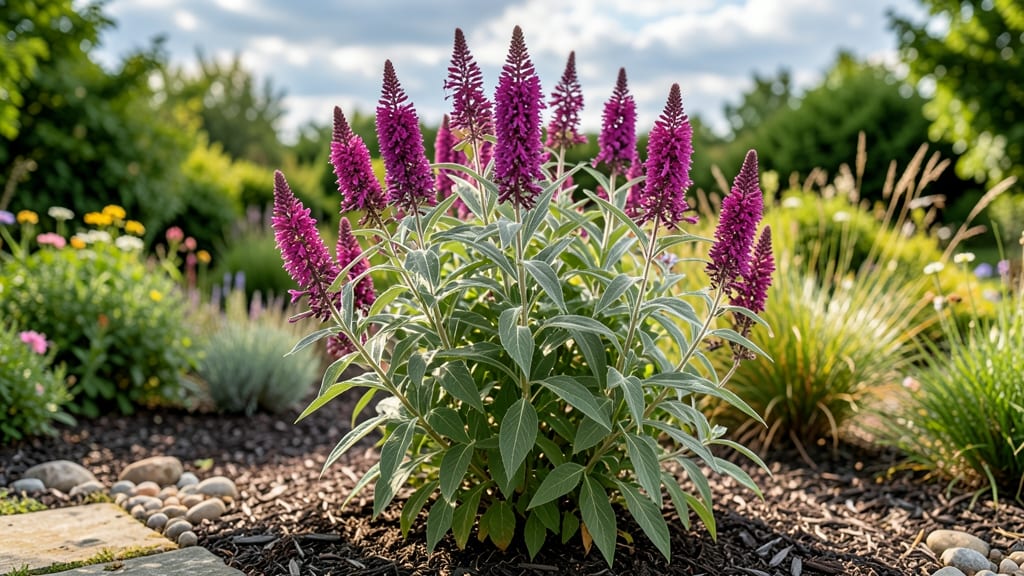
That first glimpse of butterfly bush leaf identification can make or break your pruning confidence. 🌿 The key to spotting them fast lies in their lance-shaped form, smooth edges, and sandy green hue—nothing like the fuzzy lilac leaves or the glossy privet.
I’ve spent years mistaking young growth for other shrubs, but these three traits nail it every time.
Start by comparing leaf venation—butterfly bush has prominent parallel veins running from the midrib, while similar shrubs show a more web-like pattern. Healthy leaves should be 1-3 inches long, with a slightly pointed tip and no white or brown spots.
If you see yellowing or holes, that’s your cue to check for pests or disease.
Once you’ve confirmed it’s Buddleia, you’ll notice how the leaves cluster along the stem in whorls, unlike the alternating pattern of lilacs.
This quick check saves hours of pruning the wrong shrub—trust the shape first, then verify with a close look at the underside for fine hairs (a dead giveaway).
For leaf issues, spotty or curled leaves usually mean aphids or powdery mildew. Aphids leave sticky residue; mildew shows as white powder on undersides. Prune affected stems immediately and treat with neem oil for a foolproof fix—no guesswork needed.
Understanding Leaf Changes
Butterfly bush (Buddleia davidii) leaves can undergo dramatic transformations due to a mix of environmental stressors, pests, and diseases. If you’re noticing unexpected leaf patterns, discoloration, or deformities, the cause likely falls into one of three key categories: nutritional deficiencies, pathogen attacks, or physical stress.
Each triggers distinct symptoms that help narrow down the issue—so let’s break down the science behind why your butterfly bush leaves might be sending up red flags (literally or otherwise).
Plants, like humans, need a balanced diet to thrive. Butterfly bushes are no exception—they rely on essential nutrients from the soil to produce vibrant foliage. When these nutrients are lacking, leaves often show tell-tale signs of distress that can be misdiagnosed as disease or pest damage.
Here’s what’s really going on:
- Yellowing Between Veins (Chlorosis)
If leaves turn pale yellow while veins stay green, your bush is likely iron-deficient.
Iron is crucial for chlorophyll production, and its deficiency is common in alkaline soils (pH > 7.0), where iron becomes less available. Actionable fix: Apply chelated iron or use Epsom salt (magnesium sulfate) in water every 4–6 weeks during growing season.
- Purple or Red Undersides
Purple-tinged leaves? That’s a classic sign of phosphorus deficiency. Phosphorus fuels root growth and energy transfer in plants, and its lack often appears as dark purple or red hues on younger leaves. Actionable fix: Work bone meal or a high-phosphorus fertilizer (like 5-10-10) into the soil in early spring.
- Crinkled or Stunted Leaves
If new growth looks small, twisted, or leathery, your bush may be starving for nitrogen. Nitrogen is the building block of proteins and chlorophyll, and its deficiency stunts overall growth. Actionable fix: Use a balanced fertilizer (like 10-10-10) or composted manure to boost nitrogen levels.
Avoid over-fertilizing, though—too much can burn roots!
💡 Pro Tip: Test your soil’s pH and nutrient levels with a home test kit before guessing. Butterfly bushes prefer slightly acidic to neutral soil (pH 6.0–7.0). If your soil is too alkaline, amend it with peat moss or sulfur to improve nutrient uptake.
Fungal, bacterial, and viral pathogens can turn your butterfly bush into a leafy disaster zone—often without you noticing until it’s too late. These microscopic culprits thrive in moist, humid conditions and exploit weak spots (like nutrient deficiencies or physical damage). Here’s how to spot their handiwork:
- Black or Brown Spots with Yellow Halos
If leaves develop circular, greasy-looking spots that expand and turn black, you’re likely dealing with alternaria leaf spot (a fungal disease). Overhead watering or poor air circulation creates the perfect breeding ground. Actionable fix:
- Remove and dispose of infected leaves immediately.
- Apply a copper fungicide (like Bordeaux mixture) every 10–14 days.
- Water at the base of the plant (not from above) to reduce humidity on foliage.
- White, Powdery Coating on Leaves
That white, flour-like substance is powdery mildew, a fungal infection that thrives in shady, damp conditions. It weakens the plant and can spread rapidly if left unchecked. Actionable fix:
- Prune for better airflow by thinning dense branches.
- Spray with a baking soda solution (1 tsp baking soda + 1 quart water + a drop of dish soap) weekly.
- Apply neem oil as a preventative fungicide in early spring.
- Wilted or Drooping Leaves with Oozing Stems
Bacterial infections like Xanthomonas wilt cause leaves to suddenly wilt and blacken, often with a yellowish ooze at the stem base. This is highly contagious and often fatal. Actionable fix:
- Remove and destroy the infected plant (do not compost!) to prevent spread.
- Disinfect pruning tools with rubbing alcohol between cuts.
- Rotate crops if replanting in the same spot—bacteria can linger in soil.
🔥 Warning: Never ignore sudden wilting or unexplained leaf drop. These can also signal root rot (from overwatering) or vascular diseases, which require immediate action.
Butterfly bushes are hardy, but they’re not immune to environmental shocks. Extreme temperatures, windburn, herbicide drift, or even mechanical damage can leave leaves looking like they’ve been through a war. Here’s how to decode the clues:
- Scorched or Bleached Edges
If leaves develop brown, crispy edges (especially on one side), your bush is suffering from salt burn (from fertilizers or deicing salts) or herbicide damage. Actionable fix:
- Flush the soil with water to dilute salts.
- Apply a mulch layer (2–3 inches of wood chips) to protect roots.
- If herbicide drift is suspected, do not prune damaged leaves—they can reabsorb toxins.
- Tattered or Hole-Punched Leaves
While pests (like caterpillars or beetles) are often blamed, wind or hail can also shred leaves, leaving jagged tears. Actionable fix:
- Plant in a sheltered location if wind is the culprit.
- Use row covers during hail-prone seasons.
- Prune damaged leaves to reduce stress on the plant.
- Yellowing in Hot Weather
If leaves turn yellow and wilt during heatwaves, your bush may be heat-stressed or underwatered. Butterfly bushes are drought-tolerant but still need deep, infrequent watering (1–1.5 inches per week). Actionable fix:
Quick Fixes for Butterfly Bush Leaf Issues
Identifying butterfly bush leaf problems is the first step—now let’s roll up our sleeves and get to work! Whether your plant is struggling with pests, diseases, or environmental stress, these targeted solutions will help restore its health.
Below, we’ve matched common causes to practical fixes, plus prevention tips to keep your butterfly bush thriving.
Causes: Spider mites, aphids, or caterpillars munching on leaves, leaving behind webbing, holes, or sticky residue.
How to Fix It:
- 🔥 Spray with Neem Oil: Mix 1 tsp neem oil with 1 quart of water and a drop of dish soap. Spray leaves thoroughly (especially undersides) every 5–7 days until pests vanish. Neem oil disrupts pests’ life cycles without harming beneficial insects.
- 🍳 Soapy Water Blast: For aphids, combine 1 tbsp mild castile soap with 1 quart of water. Spray directly on infested areas. Reapply after rain.
- 👨🍳 Handpick Large Pests: If caterpillars are visible, pluck them off and drop them in soapy water. Check daily for new eggs or larvae.
Prevention Tips:
- 🌡️ Monitor Humidity: Spider mites love dry conditions. Use a humidifier nearby or mist leaves on hot days.
- 🎯 Introduce Predators: Ladybugs and lacewings eat aphids naturally. Buy them online or attract them with companion plants like marigolds.
- ✨ Prune Regularly: Remove heavily infested leaves immediately to stop the spread.
Causes: Overwatering, poor airflow, or fungal spores (like powdery mildew or leaf spot) creating white fuzz, brown patches, or yellowing.
How to Fix It:
- 🔪 Prune Infected Leaves: Snip off and dispose of (don’t compost) any leaves with spots or mold. Sterilize pruners with rubbing alcohol between cuts.
- 🥘 Baking Soda Spray: Mix 1 tbsp baking soda, 1 tsp oil (like vegetable or neem), and 1 quart of water. Spray every 7–10 days. Baking soda raises leaf pH, making it inhospitable for fungi.
- ⏰ Improve Airflow: Thin out crowded branches or move the plant to a sunnier spot with better circulation.
Prevention Tips:
- 💡 Water Wisely: Water at the base (not overhead) in the morning so leaves dry quickly.
- 🌿 Space Plants Apart: Ensure 3–4 feet between butterfly bushes to reduce humidity buildup.
- 🍎 Copper Fungicide: Apply a preventive copper spray in early spring to deter fungal spores.
Causes: Too much sun, drought, or sudden temperature swings causing crispy edges, drooping, or yellowing.
How to Fix It:
- 🌳 Adjust Sun Exposure: If leaves are scorched, move the plant to partial shade (especially in hot climates). Use a shade cloth (30–50%) if full sun is unavoidable.
- 💧 Deep Watering: Water deeply 1–2 times per week (depending on soil) rather than shallow daily watering. Stick your finger 2 inches into the soil—if it’s dry, it’s time to water.
- 🌡️ Mulch Like a Pro: Spread 2–3 inches of organic mulch (like shredded bark) around the base to retain moisture and regulate soil temperature.
Prevention Tips:
- 🔥 Acclimate Gradually: If moving a potted butterfly bush outdoors, place it in dappled shade for a week before full sun exposure.
- 🌿 Choose the Right Spot: Butterfly bushes thrive in USDA zones 5–9 with 6+ hours of sun but tolerate partial shade in hotter zones.
- 🎯 Drought-Resistant Varieties: Opt for cultivars like ‘Lo and Behold’ or ‘Purple Haze,’ which handle heat and drought better.
Causes: Lack of nitrogen, iron, or magnesium leading to yellowing (chlorosis) or stunted growth.
How to Fix It:
- 📊 Soil Test First: Grab a DIY soil test kit (available at garden centers) to confirm deficiencies. If nitrogen is low, apply a balanced fertilizer (10-10-10) in spring.
- 🥗 Iron Supplement: For yellowing between veins, use a chelated iron supplement (like Iron Chelate) every 4–6 weeks during growing season.
- 🍎 Epsom Salt Boost: For magnesium deficiency (yellow patches with green veins), dissolve 1 tbsp Epsom salt in a gallon of water and spray leaves monthly.
Prevention Tips:
- 💪 Feed Regularly: Fertilize in early spring and again after flowering with a slow-release granular fertilizer.
- 🌿 Compost Amendments: Mix compost into the soil annually to improve nutrient retention.
- ✨ Avoid Over-Fertilizing: Too much fertilizer can burn roots—follow package instructions closely.
With these fixes, your butterfly bush should bounce back in no time! Remember, early action is key—the sooner you address issues, the easier they are to resolve. Happy gardening! 🌿🐝
Frequently asked questions
How do I tell butterfly bush leaves apart from lilac leaves?
Butterfly bush leaves are lance-shaped with smooth edges and grow in whorls along the stem, while lilac leaves are oval with serrated edges and grow alternately. Also, butterfly bush leaves are slightly fuzzy on the underside, whereas lilac leaves are smooth. Check the leaf arrangement first—whorls = butterfly bush!
Why are my butterfly bush leaves turning yellow?
Yellow leaves usually signal iron deficiency (chlorosis) or overwatering. If veins stay green while leaf tissue yellows, it’s likely iron deficiency—try applying chelated iron or Epsom salt. For yellowing with drooping, check soil moisture; butterfly bushes prefer well-draining soil and hate soggy roots.
Are butterfly bush leaves toxic to pets?
Yes, butterfly bush (Buddleia) is considered mildly toxic to dogs and cats. Ingesting leaves can cause vomiting, diarrhea, or lethargy. Keep pets away from the plant, especially if they like to nibble. For severe reactions, contact your vet immediately.
Can I propagate butterfly bush from cuttings using just the leaves?
No, you need a stem cutting (4–6 inches long) with 2–3 leaf nodes, not just leaves. Place the cutting in water or moist soil, and keep it humid until roots form. Leaves alone won’t grow roots—they lack the meristem tissue needed for propagation.
What do healthy butterfly bush leaves look like up close?
Healthy leaves are 1–3 inches long, sandy green with prominent parallel veins, and have a slightly pointed tip. The underside has fine hairs, and edges are smooth with no spots or holes. Compare to a lance-shaped willow leaf—similar but with softer edges.