
Planting
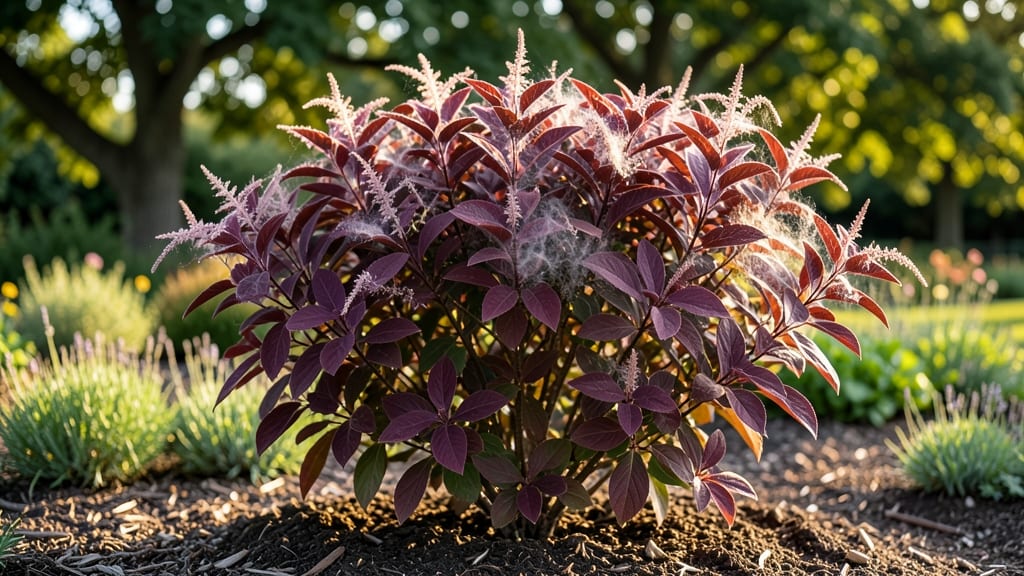
Nothing transforms a garden like purple-leafed plants—those bold, jewel-toned foliage stars that steal the show. 🌿 I’ve used them to turn dull corners into vibrant focal points, and the results are always jaw-dropping.
Whether you’re working with a sunny border or a shady nook, these plants bring drama without needing flowers. The best part? They’re incredibly versatile. Purple smoke bush adds height and texture, while purple-leafed coleus delivers a splash of color in containers.
Pair them with silver foliage or white blooms, and you’ve got a contrast that pops. My go-to combo is purple leaf plum with creamy white roses—pure magic. You’ll see how these plants elevate any space, from small pots to large-scale designs.
The key is playing with their natural shapes and colors to create layers that draw the eye. And the best news? Most thrive with minimal fuss once planted. Perfect for gardeners who love bold statements without the fuss of high-maintenance blooms. Let’s design something stunning!
📚 In This Guide
- What you need
- Instructions
- Tips and common mistakes
- Wrapping up and next steps
What you need
- ● Purple-leafed plant: 1–3 plants (e.g., Coleus, Purple Smoke Bush, or Purple Heart—choose based on your climate and space)
- ● Note: Young plants (4–6 inches tall) establish faster than mature ones!
- ● Potting mix: 1–2 bags (10–15 quarts each) of well-draining potting soil (add perlite or sand for extra aeration if planting in containers)
- ○ Optional: Slow-release fertilizer (5–10 lbs) for nutrient boost
- ● Containers or garden bed: Containers: 1–3 pots (10–12 inches in diameter) with drainage holes
- ● Garden bed: Sunlight exposure (3–6 hours/day for most varieties) and space (12–24 inches apart for bushy growth)
- ● Basic tools: 1 trowel or hand shovel
- ○ 1 pair of gardening gloves (optional but recommended!)
- ● 1 watering can or hose with a gentle spray nozzle
- ● Mulch: 1–2 bags of organic mulch (e.g., shredded bark) to retain moisture and suppress weeds
- ● Pruning shears: For shaping and encouraging bushier growth
- ● Liquid fertilizer: Balanced 10-10-10 or organic options (e.g., fish emulsion) for a mid-season boost
- ● Shade cloth: If planting in hot climates (30–50% coverage for delicate varieties)
How to grow and maintain stunning purple-leafed plants
Here’s how to cultivate vibrant purple foliage that steals the show—whether in bold sun or serene shade.
🌱 Step 1: Choose the Right Purple-Leafed Varieties
Start with proven purple-leafed plants like purple leaf plum (Prunus cerasifera), purple smoke bush (Cotinus coggygria), or purple-leafed coleus (Solenostemon scutellarioides). These thrive in different light conditions: plum trees love full sun, while coleus handles shade beautifully. I always check the plant tag for light requirements—some purples fade under intense sun, while others need it to deepen their hue.
For containers, opt for compact varieties like purple leaf eggplant (Solanum melongena) or purple-leafed sweet potato vine (Ipomoea batatas). These stay manageable and pack a punch with their color. Avoid overcrowding—purple leaves need room to breathe and show off their vibrancy.
☀️ Step 2: Position for Optimal Light Conditions
Most purple-leafed plants crave 4-6 hours of direct sun daily to maintain their rich color. Place them where they’ll get morning sun and afternoon shade if your climate is hot—this prevents leaf scorch. I’ve seen purple plum trees turn dull green when moved to deep shade, so test their spot for a week before committing.
For shade lovers like purple-leafed heuchera or ferns, choose spots with dappled light or filtered sun. Watch for pale new growth—this signals they’re not getting enough light. Adjust gradually by moving pots to brighter locations over 7-10 days to avoid shocking the plant.
💧 Step 3: Water Consistently Without Overdoing It
Purple-leafed plants despise soggy roots, which can cause root rot and dull their foliage. Water deeply once a week (or when the top 2 inches of soil feel dry). I use a moisture meter to check—purple leaves wilt faster than green ones when thirsty, so act before they droop.
Mulch around the base with 2-3 inches of organic mulch (like shredded bark) to retain moisture and regulate soil temperature. This keeps roots cool in summer and prevents water evaporation. Avoid piling mulch against the stem—it traps moisture and invites disease.
✂️ Step 4: Prune for Shape and Health
Prune in early spring to encourage fresh, vibrant growth. Remove any leggy stems or yellowing leaves with clean, sharp pruners—this redirects energy to new purple foliage. I cut back about ⅓ of the plant’s height to promote bushiness, but never prune into old wood (the woody stems won’t regrow purple leaves).
For container plants, pinch back the tips of new growth to encourage branching. This creates a fuller, more colorful display. Deadhead spent flowers regularly—it keeps the plant’s energy focused on foliage rather than seed production, which can weaken the purple hues.
🌿 Step 5: Feed for Vibrant Color
Use a balanced, slow-release fertilizer (like 10-10-10) in early spring to jumpstart growth. Purple-leafed plants respond well to a little extra phosphorus for blooms, but too much nitrogen turns leaves green. I mix in 1 tablespoon per plant into the top 2 inches of soil and water it in thoroughly.
For container plants, fertilize every 4-6 weeks during the growing season with a half-strength liquid fertilizer. Over-fertilizing burns roots and washes out the purple pigment. Always follow the package instructions—more isn’t better when it comes to vibrant foliage.
Tips & tricks for growing vibrant purple-leafed plants
These game-changing tips will help you keep your purple foliage looking show-stopping all season long!
Light Secret: The 4-6 hours of direct sun mentioned in Step 2 is non-negotiable for most purple-leafed varieties. I’ve noticed that morning sun is especially important—it kickstarts the anthocyanin production that gives leaves their stunning color. If your plants start looking dull, move them to a sunnier spot gradually over 3-4 days to avoid shocking them. For shade lovers like heuchera, watch for new growth that’s less vibrant—this is your cue to find a brighter location.
Pruning Precision: When you’re pruning in early spring, focus on removing only the outer third of the plant’s height. This encourages bushier growth without sacrificing the vibrant purple leaves. I always use clean, sharp pruners and make cuts just above a leaf node. For container plants, pinch back the tips of new growth when they’re about 3-4 inches tall—this triggers branching and creates that lush, full look we all want.
Fertilizer Strategy: The 1 tablespoon of balanced fertilizer in Step 5 is perfect, but timing matters just as much as quantity. Apply it when you see new purple growth emerging in spring, not when the plant is already established. For container plants, I’ve found that half-strength liquid fertilizer every 6 weeks (instead of 4) prevents over-fertilization, which can actually wash out those gorgeous purple hues. Always water thoroughly after applying to help distribute nutrients evenly.
Container Care: Purple leaf eggplant and sweet potato vine need excellent drainage—if water pools in the bottom of your container, the roots will suffocate and the leaves will lose their vibrancy. I always add a layer of gravel or perlite at the bottom before planting, and I use containers with drainage holes. For extra insurance, I check the soil moisture by sticking my finger 1 inch deep—if it’s dry, it’s time to water. Overwatering is the #1 reason purple leaves turn sad and green!
Pro Tips for Purple Leafed Plant
- These game-changing tips will help you keep your purple foliage looking show-stopping all season long!
- Light Secret: The 4-6 hours of direct sun mentioned in Step 2 is non-negotiable for most purple-leafed varieties.
- Pruning Precision: When you’re pruning in early spring, focus on removing only the outer third of the plant’s height.
Frequently asked questions
Got questions about purple-leafed plants? You’re not alone! Here are answers to the most common queries to help you grow stunning foliage with confidence.
How do I choose the best purple-leafed plant for my space?
Consider your light conditions first! Purple smoke bush (Cotinus) thrives in full sun, while Japanese maple (Acer palmatum) prefers partial shade. For low-light spots, try Purple Heart (Tradescantia pallida). Check your zone’s hardiness and pot size—dwarf varieties like Purple Leaf Sand Cherry (Prunus x cistena) work well in containers.
Do purple-leafed plants need special watering?
Most purple-leafed plants prefer moderate moisture—water when the top inch of soil feels dry. Overwatering can cause root rot, while underwatering may dull their vibrant hues. Pro tip: Mulch around the base to retain moisture and protect roots in extreme heat or cold.
Why are my purple leaves turning green or brown?
Green leaves? Your plant might be getting too much shade (especially for sun-lovers like Purple Leaf Plum). Brown edges? Check for underwatering, salt buildup (from tap water), or pests. Yellowing? It could signal overwatering or nutrient deficiency. Adjust care and inspect leaves for mites or aphids.
Can I grow purple-leafed plants from cuttings?
Many thrive from cuttings, like Purple Heart or Coleus. Take 4–6 inch cuttings in spring/summer, strip lower leaves, and dip in rooting hormone. Place in moist perlite or water until roots form (4–6 weeks). Pro tip: Keep humidity high with a plastic bag until rooted!
Are there non-toxic purple-leafed plants for pets?
Yes! Opt for African Violet (Saintpaulia) or Purple Basil (Ocimum basilicum)—both are pet-safe and add color. Avoid Purple Smoke Bush or Purple Waffle Plant (Hemigraphis), which can be toxic if ingested. Always double-check with the ASPCA’s toxicity list.
Wrapping up and next steps
Purple-leafed plants are a fantastic way to add bold color and texture to any garden, whether you’re basking in full sun or enjoying the tranquility of shade. From low-maintenance Heuchera to vibrant Coleus, these plants prove that striking foliage isn’t just for the experts—it’s for everyone. 🌿✨
Ready to transform your space? Start small with a single purple gem, experiment with containers, or dive into a full garden makeover. Your green thumb is closer than you think—grab those shears and get planting!