
Leaf Blower
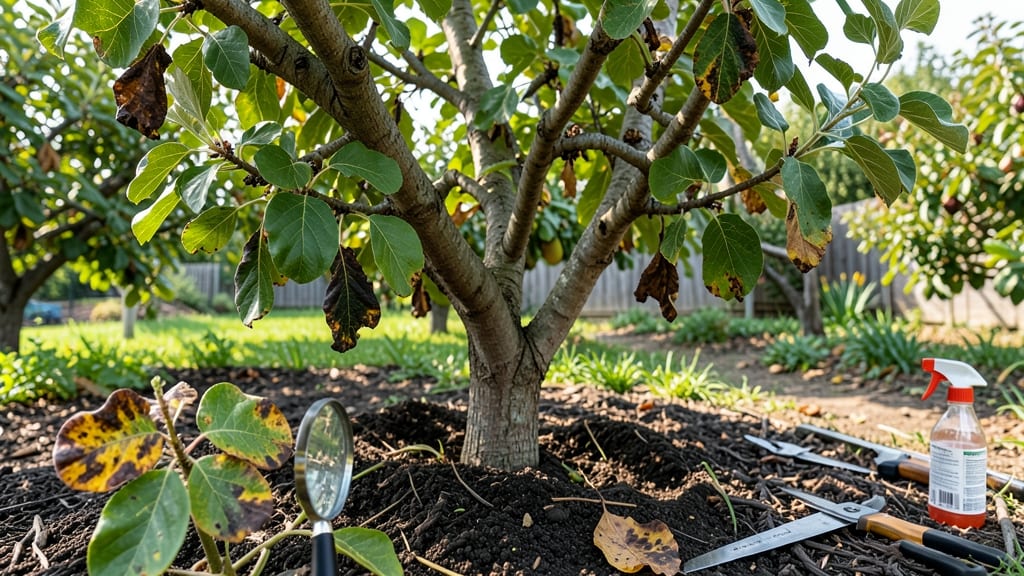
Copper spray saved my quince tree from looking like a defoliated skeleton. 🌿 Quince leaf blight turns vibrant foliage into a patchwork of brown spots and premature leaf drop, but the right treatment can bring those leaves back thick and green by summer’s end.
The fungus thrives in wet springs and crowded canopies, so prevention starts with proper spacing and pruning. I learned the hard way—my tree’s branches were so dense that airflow couldn’t reach the center, making it a blight magnet. Thin those branches now, and you’ll cut down on future outbreaks.
A copper fungicide spray (applied at first sign of spots) stops the spread in its tracks. You’ll see new growth within weeks, and the leaves stay lush instead of crisping at the edges. The key is timing: spray before rain, and repeat every 10-14 days until new leaves harden off.
This method works for organic gardens too—just swap the chemical copper for a homemade mix of baking soda and oil. Either way, you’ll reclaim that tree’s glory before the season’s over.
Root Causes of Leaf Spots
Understanding why your quince tree develops those unsightly brown or black spots is the first step in preventing and treating them. Quince leaf blight—often caused by fungal pathogens like Venturia species—doesn’t just appear out of nowhere.
Several key factors create the perfect storm for this disease to take hold. Let’s break down the science behind it so you can tackle the problem at its source.
Fungal spores thrive in damp, humid conditions, and quince trees are particularly vulnerable when their leaves stay wet for prolonged periods. Here’s why water plays a villainous role:
- Overhead Watering: When you water from above (especially late in the day), droplets linger on leaves, creating a cozy, moist environment for fungal spores to germinate. 💦 Venturia fungi, for example, can infect leaves within 24–48 hours of prolonged leaf wetness. - Poor Soil Drainage: If your quince is planted in heavy clay or compacted soil, excess water pools around the roots and saturates the foliage.
This not only stresses the tree but also encourages fungal growth. - High Humidity: Quince trees in shaded or poorly ventilated areas (like dense orchards or against walls) retain moisture longer, giving fungi a competitive edge.
Actionable Fix: Water at the base in the early morning, improve soil drainage with organic matter (like compost or perlite), and prune to enhance airflow.
Fungal pathogens don’t just appear—they hitchhike or lurk in your garden, waiting for the right moment to strike. Here’s how they infiltrate your quince:
- Dormant Spores in Debris: Old leaves, twigs, or infected plant material left on the ground over winter harbor fungal spores.
When spring arrives, these spores splash up during rain or irrigation, landing on fresh leaves. 🌱 - Wind and Rain: Spores can travel via wind or rain splashes to healthy leaves, especially if your quince is near other infected trees (like apples or pears, which share similar pathogens). - Weakened Tree Defense: Stressed quince trees (due to drought, poor nutrition, or physical damage) have weaker immune systems, making them easier targets for fungal invasion.
Actionable Fix: Clean up fallen leaves and debris in autumn, space trees for airflow, and apply copper fungicide preventatively in early spring before spores activate.
Fungal diseases like quince leaf blight don’t just pop up in summer—they follow a seasonal script. Temperature and timing are critical:
- Cool, Wet Springs: Ideal for Venturia spores to germinate.
Temperatures between 50–70°F (10–21°C) with frequent rain or dew are prime infection conditions. ❄️🌧️ - Summer Heat Stress: While heat alone doesn’t cause blight, it can weaken the tree’s defenses, making it more susceptible to secondary infections after a fungal attack. - Autumn Moisture: Fall rains can reignite fungal activity, leading to a second wave of infections if spores are already present.
Actionable Fix: Monitor weather forecasts and apply copper-based sprays during high-risk periods (early spring and late summer). Avoid overhead watering during these windows.
A quince tree fighting malnutrition or pests is like a soldier with a broken shield—vulnerable to attacks. Here’s how deficiencies fuel blight:
- Nitrogen Deficiency: Leaves turn yellow (chlorosis) and weaken, making them easier targets for fungi. 🍃 A lack of nitrogen reduces the tree’s ability to produce protective compounds. - Potassium Shortage: Potassium helps regulate water balance and disease resistance.
Without it, cells become leaky, inviting fungal entry. - Root Damage or Pests: Grubs, nematodes, or root rot can cripple nutrient uptake, leaving the tree defenseless.
Actionable Fix: Test your soil and amend with balanced fertilizer (high in nitrogen and potassium) in early spring. Use mulch to protect roots and retain moisture without excess wetness.
Even well-meaning gardeners can spread fungal spores unintentionally. Here’s how:
- Dirty Pruners or Rakes: Tools contaminated with spores from infected leaves can transfer pathogens to healthy parts of the tree. 🪓
- Cross-Contamination: Moving between infected and healthy trees without cleaning tools or washing hands can spread spores like wildfire.
- Grafted or Propagated Material: If you’ve introduced a new quince tree from an infected source, the pathogen may already be onboard.
Actionable Fix: Sterilize pruners with rubbing alcohol or bleach solution between cuts, and wash hands after handling infected plants. Inspect new trees for symptoms before planting.
The key to stopping quince leaf blight is disrupting the fungal lifecycle.
Combine these strategies for long-term prevention: - Remove infected leaves promptly (don’t compost them—trash them in sealed bags). - Rotate copper fungicides to prevent resistance (alternate with sulfur or neem oil). - Plant disease-resistant varieties like ‘Champion’ or ‘Meeches Prolific’ if blight is recurrent.
By addressing moisture, spores, temperature, tree health, and contamination, you’ll starve the fungus of its favorite conditions—and give your quince the fighting chance it deserves! 🌿✨
Quick Fixes for Fungal Leaf Spots
Fungal leaf spots on your quince trees don’t have to be a lost cause! With the right approach, you can revive your tree’s health and prevent further damage. Below, we’ve mapped out practical, step-by-step solutions based on the most common causes—so you can act fast and see results.
Fungal blights thrive in soggy conditions, so if your quince is sitting in waterlogged soil, it’s time to drain the damp and improve airflow.
How to Fix It:
- 👨🍳 Step 1: Check the Soil – Stick your finger 2 inches into the soil. If it feels damp after 24 hours, your tree is overwatered.
- 💧 Step 2: Adjust Watering – Water deeply but only when the top inch of soil is dry. Quince trees prefer moderate moisture, not a swamp!
- 🌱 Step 3: Improve Drainage – Amend heavy clay soil with compost or sand to help water flow. If planting in containers, use pots with drainage holes.
- ⏰ Step 4: Mulch Properly – Apply 2-3 inches of organic mulch (like wood chips) but keep it 6 inches away from the trunk to prevent rot.
💡 Pro Tip: If your tree is in a low-lying area, consider raising the planting bed or installing a French drain to redirect excess water.
If you’ve spotted black or brown lesions on leaves, the fungus is likely already active. Copper-based fungicides (like copper sulfate or copper hydroxide) are the gold standard for treating leaf blight.
How to Fix It:
- 🔪 Step 1: Prune Infected Leaves – Remove all affected foliage and dispose of it in the trash (not compost) to stop spore spread.
- 🌡️ Step 2: Apply Copper Spray – Mix 1 tbsp copper fungicide per gallon of water and spray both sides of leaves and the tree’s bark. Do this every 7-14 days until new growth appears.
- 🎯 Step 3: Sterilize Tools – After pruning, wipe shears with rubbing alcohol to prevent cross-contamination.
- ✨ Step 4: Boost Tree Immunity – Feed your quince with a balanced fertilizer (10-10-10) in early spring to strengthen its defenses.
💡 Pro Tip: For organic control, try a neem oil spray (1 tsp neem oil + 1 tsp mild soap per quart of water). It’s less harsh but still effective against early-stage fungi.
A stressed quince tree is more susceptible to fungal infections. If your tree looks wilting, yellowing, or stunted, it needs a health boost.
How to Fix It:
- 📊 Step 1: Test Soil pH – Quince trees prefer slightly acidic to neutral soil (pH 6.0-7.0). Test with a soil kit and adjust with lime (to raise pH) or sulfur (to lower pH) if needed.
- 💪 Step 2: Fertilize Smartly – Use a low-nitrogen, high-phosphorus fertilizer (like 5-10-10) in early spring to encourage root and leaf health.
- 🥗 Step 3: Prune for Airflow – Thin out crowded branches to improve sunlight penetration and reduce humidity (fungi love damp, shaded areas).
- 🍎 Step 4: Avoid Over-Fertilizing – Too much nitrogen = soft, weak growth that attracts pests and disease. Stick to moderate feeding.
💡 Pro Tip: Companion planting with rosemary, thyme, or garlic around your quince can naturally deter fungi and pests.
The best cure? Stopping it before it starts. Follow these long-term strategies to keep your quince tree blight-free:
- 🌧️ Water in the Morning – Wet leaves dry faster, reducing fungal growth. Avoid evening watering.
- 🍂 Clean Up Debris – Rake and remove fallen leaves in autumn to eliminate fungal overwintering spots.
- 🔄 Rotate Fungicides – If you use copper sprays, alternate with other fungicides (like potassium bicarbonate) to prevent resistance.
- 🌿 Choose Resistant Varieties – If your current quince is prone to blight, consider disease-resistant cultivars like ‘Meeches Prolific’ or ‘Champion.’
Final Thought: With proactive care, your quince tree can bounce back—healthy, spot-free, and thriving in no time! 🌿💚
Frequently asked questions
How do I tell if my quince tree has leaf blight?
Look for dark brown or black spots with yellow halos on leaves, especially on undersides. Infected leaves may curl or drop prematurely. Check for spots on young leaves first—they’re most vulnerable. Compare with healthy leaves to spot the difference early.
Can I use homemade remedies instead of copper spray?
Yes! Try a baking soda spray (1 tsp baking soda + 1 tsp oil + 1 drop soap per quart of water) or neem oil (1 tsp per quart). These work best for early-stage infections and should be applied every 7-10 days. For severe cases, copper fungicide remains the most effective option.
Will pruning help stop quince leaf blight?
Prune to remove infected leaves and improve airflow—this cuts off the fungus’s food source and dries leaves faster. Focus on thinning crowded branches in late winter or early spring. Sterilize tools with rubbing alcohol between cuts to prevent spreading spores.
How often should I spray copper fungicide?
Apply copper spray every 10-14 days during active growth (spring through summer). Start spraying at first sign of spots and continue until new leaves harden off. For prevention, do 2-3 applications in early spring before spores activate. Always spray in dry weather.
Can quince leaf blight spread to other plants?
Yes, it can! The same fungus affects apples and pears, so keep quince trees at least 20 feet away from these relatives. Clean up fallen leaves from all nearby plants and avoid overhead watering to prevent spore splash. Sterilize tools after working with infected trees.