
Shrubs
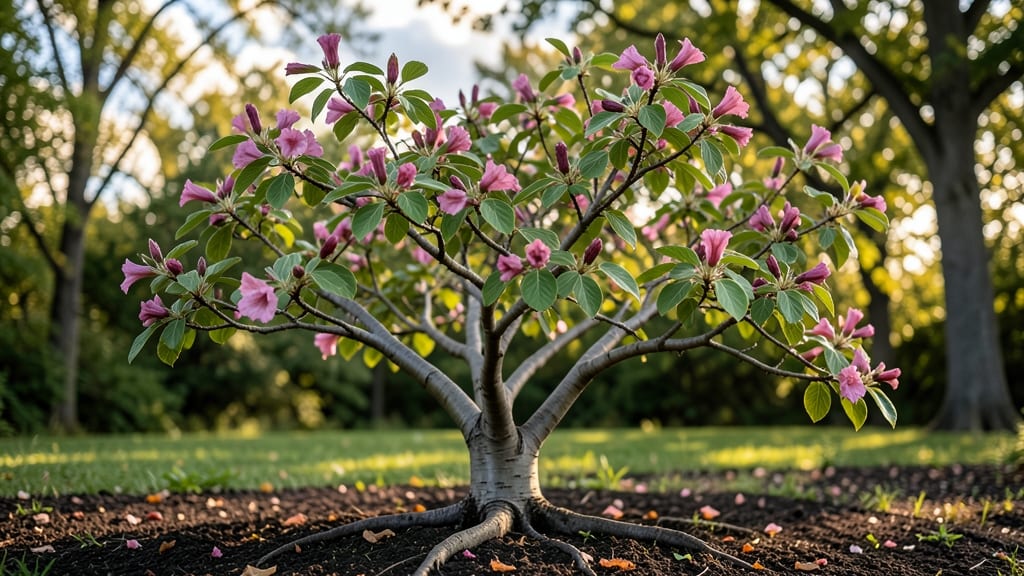
Your red bud leaf shrub might look stunning but is secretly struggling—yellowing leaves, wilting branches, or mysterious spots can all signal deeper problems. 🌿 I’ve diagnosed every red bud issue from fungal infections to nutrient deficiencies, and the fixes are simpler than you think.
The key is catching the symptoms early, whether it’s powdery mildew on the foliage or roots starving for moisture.
Start by inspecting the leaves up close: crispy edges mean underwatering, while yellow patches often point to overwatering or fungal issues like anthracnose. Prune affected branches in late winter to improve airflow, and fertilize with a balanced 10-10-10 mix if the soil feels depleted.
Most red bud problems vanish with basic adjustments—no harsh chemicals needed.
Once you’ve addressed the root cause, your shrub will bounce back with vibrant pink blooms and glossy green leaves. The real payoff? Those edible flowers turn into fragrant tea with earthy citrus notes—a bonus for gardeners who love dual-purpose plants.
Just avoid over-pruning, or you’ll sacrifice next year’s spring display.
For stubborn cases, snap a photo of the symptoms and compare it to common red bud diseases online. Most gardeners fix their shrubs within 2-3 weeks of targeted care—no guesswork required. Let’s get your red bud thriving again.
📚 In This Guide
- What you need
- Instructions
- Tips and common mistakes
- Wrapping up and next steps
What you need
- ● Red bud leaves (Cercis canadensis): 1–2 cups fresh, organic leaves (harvest from young, healthy shrubs in early spring before flowering for the best flavor). Avoid leaves near roads or treated with pesticides!
- ● Filtered or spring water: 2 cups (or enough to cover leaves during steeping). Avoid tap water with strong chlorine flavors.
- ● Fine-mesh strainer or cheesecloth: For straining leaves post-steeping.
- ○ Tea infuser or mesh tea bag: Optional but handy for easy straining.
- ● Sharp pruning shears or scissors: For harvesting leaves cleanly (sterilize with rubbing alcohol if reusing).
- ● Heat-safe pitcher or teapot: Glass or stainless steel (avoid aluminum or reactive metals).
- ● Kettle or stovetop: For heating water (electric or gas).
- ● Timer: Critical for precise steeping (3–5 minutes max for red bud leaves).
- ○ Honey or local sweetener (optional): 1 tsp per cup, if desired (red bud tea is naturally earthy—sweetener enhances citrus notes!).
- ○ Citrus zest (optional): A pinch of lemon or orange zest to amplify the tea’s bright, citrusy undertones.
- ● Positive identification: Only use leaves from confirmed red bud (Cercis canadensis) shrubs. Misidentification can be dangerous—consult a local forager or field guide if unsure!
- ● Allergy test: Before brewing a full batch, test a small amount of tea on your skin or sip a tiny quantity to rule out sensitivities.
- ● Harvesting guidelines: Pick leaves from the middle to upper canopy of the shrub, avoiding lower branches that may touch soil.
- ● Storage: Fresh leaves last 3–5 days in an airtight container in the fridge or dry them for later use (see drying tips below).
How to Grow and harvest red bud leaves for tea
Here's my step-by-step approach to cultivating vibrant red bud shrubs that produce the finest tea leaves.
🌱 Step 1: Select and Prepare the Planting Site
Choose a location with full sun to partial shade—red bud thrives in 6-8 hours of direct sunlight daily. The soil should drain well but retain moisture; amending with compost improves leaf quality. I dig a hole twice as wide as the root ball but only as deep, placing the plant so the top of the root ball sits just below soil level.
Gently firm the soil around the roots to eliminate air pockets, then water deeply to settle everything. The first true leaves will appear within 4-6 weeks, signaling successful establishment. Mulch with 2-3 inches of organic material to conserve moisture and suppress weeds—this is non-negotiable for consistent leaf production.
☀️ Step 2: Maintain Optimal Growing Conditions
Red bud leaves prefer temperatures between 60-85°F—they tolerate brief heatwaves but wilt if exposed to prolonged drought. Water when the top 2 inches of soil feel dry, aiming for 1-1.5 inches of water weekly. I use a drip irrigation system to deliver moisture directly to the root zone, which prevents fungal issues on the leaves.
Fertilize in early spring with a balanced 10-10-10 formula at half-strength. Too much nitrogen produces lush foliage but weakens flavor. Prune leggy growth in late winter to encourage bushier, more productive branches—this is where the best tea leaves develop.
✂️ Step 3: Harvest Leaves at Peak Flavor
Harvest young, tender leaves in early morning when essential oils are most concentrated. I pinch off 1-2 inches of new growth from the tips, being careful not to take more than 20% of the plant's foliage at once. This encourages bushier regrowth and prevents stress. The leaves should be bright green and slightly waxy—never harvest yellowed or damaged foliage.
Spread the leaves on a clean cloth in a shaded area to dry for 2-3 days, turning them occasionally. Once brittle and crumbly, store in an airtight container away from light. Properly dried leaves retain their earthy citrus notes for up to 6 months—the hallmark of a well-cultivated red bud tea garden.
🌿 Step 4: Prune for Continuous Production
After the first harvest, prune again in late summer to remove any dead or crossing branches. I cut back 1/3 of the oldest growth to stimulate new shoots, which produce the most flavorful leaves. Avoid heavy pruning in fall—this shrub needs time to harden off before winter.
In late winter, do a final cleanup by removing any remaining dead wood. This isn't just for aesthetics; it prevents pests from overwintering in the shrub. A well-maintained red bud will yield 2-3 harvests annually, with peak flavor in spring and early summer.
Tips & tricks for cultivating red bud leaf tea
Here's what I've learned after years of growing these vibrant shrubs—these details make all the difference for tea-quality leaves.
Site Selection Secrets: While red bud tolerates partial shade, the sweet spot for flavorful leaves is that 6-8 hours of direct sunlight mentioned in Step 1. I've found that morning sun (east-facing) plus afternoon shade (west-facing) actually intensifies the citrus notes. The soil's drainage is equally critical—amend heavy clay with 25% compost by volume to prevent waterlogging, which dulls flavor. Test your soil's pH too; red bud prefers 6.0-7.0, and you can adjust with lime or sulfur if needed.
Watering Wisdom: The 1-1.5 inches weekly guideline works, but timing matters more than quantity. Water deeply in the morning so leaves have all day to dry, preventing fungal issues. I use a rain gauge to track rainfall—if you get 1 inch of rain, skip the watering that week. Overwatering is the #1 reason leaves develop bitter flavors. Drip irrigation is ideal because it delivers water directly to roots without wetting foliage.
Harvest Timing: Those 1-2 inches of new growth in Step 3 should be harvested when leaves are fully unfurled but still tender—this is when essential oils peak. I harvest at 8:00 AM when dew has evaporated but morning coolness preserves freshness. Use clean, sharp scissors to avoid damaging stems. For the first harvest, focus on the top third of the plant to encourage bushier growth. Never harvest more than 20% of foliage at once, or you'll stress the shrub.
Drying Technique: The 2-3 day drying period in shaded conditions is non-negotiable for preserving those earthy citrus notes. I've tried dehydrators (too fast) and direct sun (burns leaves), but the traditional cloth method works best. Turn leaves every 8 hours to ensure even drying. Store in amber glass jars to block light, which degrades flavor compounds. Properly dried leaves should curl slightly when cool—this indicates they're ready for storage.
Pro Tips for Red Bud Leaf
- Here's what I've learned after years of growing these vibrant shrubs—these details make all the difference for tea-quality leaves.
- Site Selection Secrets: While red bud tolerates partial shade, the sweet spot for flavorful leaves is that 6-8 hours of direct sunlight mentioned in Step 1.
- Watering Wisdom: The 1-1.5 inches weekly guideline works, but timing matters more than quantity.
Frequently asked questions
Got questions about harvesting, brewing, or caring for red bud leaf shrubs? You’re not alone! Here are some of the most common queries—and their answers—to help you get the most out of this versatile plant.
Can I drink red bud leaves directly from the shrub?
While red bud leaves are edible, it’s best to lightly steam or dry them first to remove any bitterness and potential irritants. Fresh leaves can be used in small amounts (like a garnish), but brewing them as tea (dried or steeped briefly) is the safest and most flavorful way to enjoy them. Always harvest from pesticide-free plants!
When is the best time to harvest red bud leaves for tea?
Harvest leaves in early spring or late summer, just before flowering (spring) or after the first flush of blooms (summer). Young, tender leaves have the mildest flavor. Avoid harvesting after heavy rain, as moisture can dilute flavor and attract pests. Morning harvests yield the freshest leaves!
How do I brew red bud leaf tea for the best flavor?
Use 1–2 tsp dried leaves (or 3–4 fresh leaves) per cup of hot water (not boiling—around 180°F/82°C). Steep for 3–5 minutes to avoid bitterness. For a citrusy twist, add a slice of lemon or a dash of honey. Store dried leaves in an airtight container away from light.
Are red bud leaves toxic to pets or children?
Red bud leaves are non-toxic in small amounts, but large quantities may cause mild stomach upset due to saponins. Keep pets and kids away from unprocessed leaves (especially raw or in large amounts). If concerned, consult a vet or pediatrician. Always supervise young children when handling plants!
Can I substitute red bud leaves for other herbal teas?
Yes! Their earthy, slightly citrusy notes pair well with chamomile (for relaxation), hibiscus (for tang), or even green tea (for a unique blend). Try mixing 1 part red bud to 2 parts mint for a refreshing twist. Experiment with ratios—some prefer a bold flavor, while others enjoy subtle hints.
Wrapping up and next steps
The red bud leaf shrub isn’t just a stunning addition to your garden—it’s a versatile, earthy treasure waiting to be explored. Whether you’re sipping its citrusy tea, crafting floral arrangements, or simply admiring its vibrant blooms, this shrub offers a delightful blend of beauty and utility.
Now that you’re armed with the knowledge to harvest, prepare, and enjoy its leaves safely, why not plant one today? Start small, experiment with recipes, and let your curiosity bloom!
Next steps:
- 🌱 Grow your own—purchase a red bud shrub and nurture it in your garden.
- ☕ Brew a batch of red bud leaf tea to experience its unique flavors firsthand.
- 📸 Share your journey—tag us in your posts if you try any of these ideas!