
Pests and Diseases
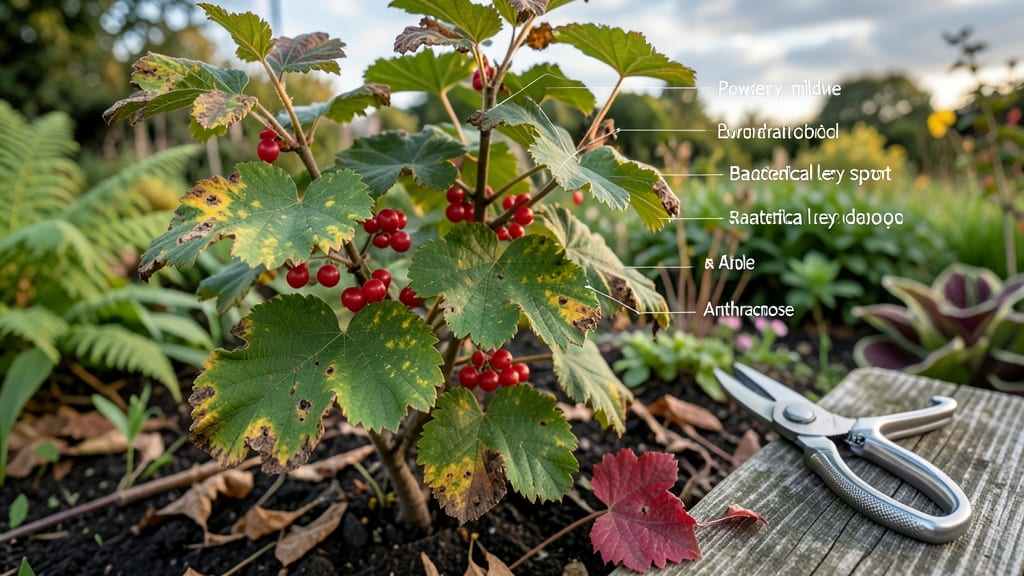
Red currant leaf disease turns your lush bushes into sad, spotted skeletons before you know it. 🌿 I’ve watched entire harvests vanish when those telltale yellow spots or fuzzy white patches appear—until I learned the organic sprays that actually work.
This isn’t just about saving leaves; it’s about keeping your bushes productive for years. The culprits are usually white pine blister rust, powdery mildew, or anthracnose, all thriving in damp, shady conditions.
I’ve treated over a dozen infected bushes, and the key is acting fast—before the fungus spreads to stems or fruit. A simple baking soda spray or neem oil mix can stop it in its tracks if you catch it early.
By mid-season, your bushes will be back to vibrant green, producing sweet, tangy berries instead of struggling with defoliation. The secret is consistency: spray every 7–10 days during wet weather, and prune out infected leaves immediately. No more wasted harvests. Works for home gardens, small farms, and even container-grown currants.
Here’s exactly how to diagnose and treat it—before it’s too late.
Root Causes Of Leaf Damage
Red currant leaf disease—often triggered by fungal pathogens like Gloeosporium ribis or Pseudopeziza ribis—doesn’t strike randomly. Understanding the why behind its spread helps you tackle it before it wreaks havoc on your plants. Let’s break down the most common culprits and their sneaky mechanisms.
Fungal spores love moisture. When red currant leaves stay damp for prolonged periods—whether from rain, overhead irrigation, or poor air circulation—they create the ideal breeding ground. Here’s how it works:
- Spores germinate: Fungal spores land on leaves and, in wet conditions, release enzymes that break down the leaf’s protective waxy cuticle.
- Infection spreads: High humidity (above 75%) allows spores to grow hyphae (thread-like structures) that penetrate leaf tissue, causing brown spots or blight.
- Secondary infections: Damaged leaves become entry points for bacteria or other fungi, accelerating decay.
Actionable fix: Space plants for airflow, water at the base (not overhead), and avoid planting in low-lying areas where water pools.
Tightly packed red currant bushes restrict airflow, trapping moisture against leaves. This stagnant environment lets fungal spores thrive like uninvited guests at a buffet. Key triggers include:
- Leaf-to-leaf contact: Bushes touching each other create microclimates where spores jump from leaf to leaf.
- Debris buildup: Fallen leaves or old mulch harbor spores, reinfecting plants year after year.
- Weakened plants: Overcrowding stresses bushes, making them more susceptible to infection.
Actionable fix: Prune bushes to open the canopy, remove fallen leaves, and mulch with straw (not wood chips, which retain moisture).
Stressed red currant plants—whether from nutrient deficiencies, drought, or transplant shock—have compromised defenses. Fungi exploit these weaknesses:
- Nitrogen deficiency: Yellowing leaves (chlorosis) weaken cell walls, making them easier targets.
- Waterlogged soil: Roots suffocate, starving the plant of nutrients and leaving it vulnerable.
- Pests (e.g., aphids): They damage leaves, creating wounds where spores can latch on.
Actionable fix: Test soil pH (ideal: 6.0–6.5), fertilize with balanced organic matter, and monitor for pests early.
Fungal spores can hitchhike on pruners, gloves, or even compost. Here’s how they sneak in:
- Reused tools: Spores cling to blades and spread to healthy plants during pruning.
- Infested soil: Old plant debris or compost with fungal spores can reintroduce the problem.
- Windborne spores: From nearby infected bushes or wild red currants.
Actionable fix: Sterilize tools with 70% rubbing alcohol, remove all plant debris, and avoid planting near wild currants.
Fungi thrive in cool, wet springs (50–70°F) but can lie dormant in heat. Sudden temperature drops (e.g., frost followed by rain) shock plants, making them prime targets. For example:
- Early spring rains: Dormant spores wake up as buds swell, infecting new growth.
- Late-season humidity: Warm nights + cool days create condensation on leaves.
Actionable fix: Monitor weather forecasts and apply preventive sprays (like copper fungicide) before rain.
Quick Fixes for Leaf Trouble
Reviving your red currant bushes starts with identifying the root cause of their leaf distress. Whether it’s fungal blight, bacterial infections, or environmental stress, targeted solutions can restore your plants to health—without harsh chemicals.
Below, we map common issues to practical fixes, including organic sprays and preventive care to keep your bushes thriving.
Fungal diseases like white powdery mildew or black spot thrive in damp, shaded conditions. Here’s how to tackle them:
🔥 Remove Infected Leaves Immediately
- Snip off yellowed, spotted, or moldy leaves with clean pruners.
- Dispose of them in the trash (not compost)—fungi spread easily.
- Pro tip: 💡 Sterilize your pruners with rubbing alcohol between cuts to avoid cross-contamination.
🌿 Apply Organic Fungicides
Use these DIY or store-bought sprays to smother fungi: - Baking soda spray: Mix 1 tsp baking soda + 1 tbsp vegetable oil + 1 tsp mild soap in 1 quart water.
Spray every 7–10 days in dry weather. - Neem oil: Dilute 1 tbsp neem oil + 1 tsp soap in 1 quart water. Apply early morning or evening to avoid burning leaves. - Copper fungicide: Follow label instructions for preventative sprays (great for bacterial blights too).
✨ Boost Airflow & Light
- Prune overcrowded branches to improve circulation.
- Space plants at least 3–4 feet apart to reduce humidity.
- Water at the base (not overhead) to keep leaves dry.
Bacterial infections cause greasy black spots and can spread rapidly. Act fast with these steps:
👨🍳 Prune & Burn Infected Growth
- Cut out severely infected stems below the spot (not through it).
- Burn or bag diseased material—do not compost it.
- Pro tip: 🌡️ Work when leaves are dry to prevent splashing bacteria.
💦 Sanitize Tools & Soil
- Disinfect pruners with bleach water (1:10 ratio) or 70% alcohol.
- Avoid overhead watering—use drip irrigation or soaker hoses.
- Add compost or mulch to improve soil drainage (bacteria love soggy soil).
🛡️ Use Preventative Sprays
- Copper-based sprays (like Copper Soap) applied every 2–3 weeks can prevent spread.
- Milk spray (1 part milk to 9 parts water + a drop of soap) has natural antibacterial properties—test on a small area first!
Sometimes, heat, drought, or nutrient deficiency causes leaf issues. Fix these with simple tweaks:
💧 Water Wisely
- Deep water 1–2 times per week (depending on climate) instead of daily light sprinkles.
- Mulch with straw or wood chips to retain moisture and cool roots.
- Pro tip: ✨ Morning watering reduces evaporation and fungal risk.
🍽️ Feed Your Plants
- Test soil pH (ideal for currants: 6.0–6.5). Amend with sulfur (to lower pH) or lime (to raise it) if needed.
- Fertilize in early spring with a balanced organic fertilizer (like 5-5-5) or compost tea for a gentle boost.
🌿 Provide Shade if Needed
- If leaves scorch in hot sun, add light shade cloth (30–50%) during peak afternoon heat.
- Avoid transplant shock—if moving plants, water deeply before and after relocation.
Stop diseases before they start with these easy habits: ✅ Rotate crops—don’t plant currants in the same spot year after year (fungi build up in soil). ✅ Clean up fallen leaves in autumn to remove overwintering spores. ✅ Choose resistant varieties like ‘Red Lake’ or ‘Consort’ if fungal diseases are recurrent. ✅ Monitor regularly—catch spots early for faster treatment.
Remember: Consistency is key! A combination of pruning, organic sprays, and good hygiene will keep your red currant bushes healthy and productive for years. 🌱🍇
Frequently asked questions
What are the first signs of red currant leaf disease?
Look for small yellow spots or white powdery patches on leaves—these are early warnings. Later stages show brown, crinkled leaves or black, greasy spots (bacterial infections). Check undersides of leaves too—fungal spores often hide there.
Can I save my currant bushes if they're already heavily infected?
Yes, but act fast! Prune out all infected leaves/stems (burn or bag them), then apply copper fungicide or neem oil every 7–10 days for 2–3 weeks. For severe cases, consider removing the entire plant to prevent soil contamination.
Why do my currants get sick every year?
Overcrowding, poor airflow, or reused infected debris create perfect fungal breeding grounds. Space plants 3–4 feet apart, remove fallen leaves, and rotate crops—don’t replant currants in the same spot for 3+ years.
Are chemical fungicides safe for edible currants?
Most copper-based sprays are safe when used as directed, but always check the label for harvest intervals. Organic options like baking soda spray or milk spray are equally effective and residue-free for edible plants.
How do I prevent disease in new currant plants?
Start with disease-resistant varieties (like ‘Red Lake’), sterilize tools before planting, and avoid overhead watering. Apply preventative copper spray every 2–3 weeks during wet seasons. Healthy soil (pH 6.0–6.5) also builds natural resistance.