
Shrubs
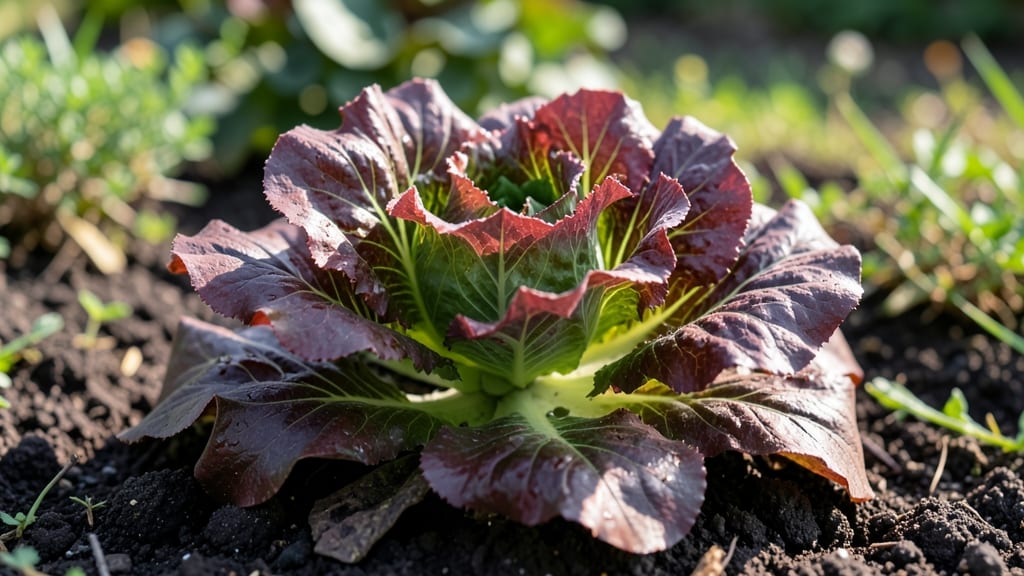
Growing red-green leaf lettuce feels like cheating—it thrives when most greens give up. 🌿 This cold-resistant variety keeps producing crisp, peppery leaves through fall frosts and even early spring, giving you fresh salads when nothing else will cooperate.
The secret lies in its ability to handle temperatures other lettuces can't, plus a few simple growing tweaks that prevent bolting before you can harvest.
Start with loose, well-draining soil rich in organic matter—think compost mixed into the top 6 inches of your bed. Red-green leaf lettuce loves cool weather (50-75°F) and partial shade in hot climates, making it perfect for early spring or late summer plantings.
A 2-3 inch layer of mulch keeps roots cool and retains moisture, which is critical since this variety hates drying out but won't tolerate soggy soil either.
You'll begin harvesting in just 30-40 days—earlier than most lettuces—and can keep picking outer leaves for weeks without uprooting the whole plant. The flavor gets sweeter after light frost, and the mix of deep red and bright green leaves makes it the star of any salad bowl.
Just watch for slugs and aphids, which love tender young leaves, and use row covers if pests become an issue.
For year-round success, treat it like a cool-season crop: plant in early spring and late summer, and protect it from heat stress with shade cloth. This lettuce grows well in containers too, making it ideal for patios or small spaces.
Once you master it, you'll never buy bagged salad again—just imagine pulling fresh leaves straight from your garden whenever you want.
📚 In This Guide
- What you need
- Instructions
- Tips and common mistakes
- Wrapping up and next steps
What you need
- ● Seeds: Red-green leaf lettuce seeds (e.g., 'Outredgeous,' 'Salinas,' or 'Black Seeded Simpson'). Aim for 2–3 grams (about 500–750 seeds) for a small garden plot.
- ● Containers or Garden Bed: Containers: 6–12-inch deep pots (3–5 per plant) with drainage holes.
- ● Garden Bed: Well-draining soil in a sunny spot (4–6 hours of light/day) or partial shade in hot climates.
- ● Soil: Loamy, nutrient-rich soil with a pH of 6.0–7.0. Mix in 2–3 inches of compost or aged manure.
- ● Fertilizer: Balanced 10-10-10 or organic fertilizer (e.g., fish emulsion) for planting and again at 3–4 weeks.
- ● Watering Supplies: Watering can or hose with a fine-mist nozzle (lettuce hates soggy roots!).
- ● Hand trowel or small transplanting tool.
- ● Row cover or cold frame (for fall/winter protection in chilly zones).
- ● Organic mulch (straw or shredded leaves) to retain moisture.
- ● Pruning shears (for harvesting outer leaves without uprooting the plant).
- ● Climate: Lettuce thrives in cool weather (40–75°F). Use shade cloth in summer or grow in late summer/fall for best results.
- ● Patience: Germination takes 7–14 days in ideal conditions.
- ● Consistency: Keep soil evenly moist (not waterlogged) for crisp leaves.
Step-by-step instructions for growing red green leaf lettuce
Here's how to grow cold-hardy lettuce that thrives in cool weather and keeps producing all season.
🌱 Step 1: Choose the Right Location and Prepare Soil
Red Green Leaf lettuce loves cool temperatures and partial shade, making it perfect for spring and fall gardens. Pick a spot that gets 3-6 hours of morning sun and afternoon shade, especially in hotter climates. If growing in summer, provide afternoon shade with a 30% shade cloth to prevent bolting.
Loosen the soil to a depth of 12 inches and mix in 2-3 inches of compost to improve drainage and fertility. Lettuce hates soggy roots, so if your soil drains poorly, add 1 part perlite to 3 parts soil. Aim for soil that's crumbly and moist but not sticky when squeezed—a perfect mix holds moisture without suffocating roots.
🌱 Step 2: Sow Seeds at the Correct Depth and Spacing
Sow seeds ¼ inch deep in rows spaced 12 inches apart. I like to plant in clusters of 3-4 seeds every 6 inches for a continuous harvest. Press the seeds gently into the soil with your fingertip—just enough to cover them lightly. Overwatering at this stage can wash seeds away or bury them too deep.
Keep the soil consistently moist until germination, which typically takes 7-14 days depending on temperature. You'll know it's time to water again when the top inch of soil feels dry to the touch. A gentle misting with a spray bottle works best to avoid disturbing the seeds.
☀️ Step 3: Thin Seedlings and Maintain Ideal Growing Conditions
Once seedlings reach 2 inches tall and have their first true leaves, thin them to 6 inches apart in the row. Use scissors to snip unwanted seedlings at soil level—this prevents disturbing the roots of the plants you're keeping. Thin seedlings make great additions to salads or can be transplanted to fill gaps elsewhere.
Lettuce thrives in temperatures between 45-65°F. If nights dip below 40°F, cover young plants with a lightweight row cover to protect them. Avoid overhead watering once seedlings are established—water at the base in the morning to keep leaves dry and reduce disease risk.
💧 Step 4: Fertilize and Harvest for Continuous Production
Feed plants with a balanced liquid fertilizer (10-10-10) diluted to half-strength every 3-4 weeks during the growing season. Stop fertilizing 4-6 weeks before harvest to prevent bitter flavors. I also sprinkle a handful of compost around the base of each plant monthly to maintain soil fertility.
Harvest outer leaves when they reach 4-6 inches long by cutting just above the soil line with clean scissors. This encourages the plant to produce more leaves. For a full head, wait until the plant reaches 8-10 inches tall and cut the entire plant at the base. Regular harvesting keeps lettuce productive for 6-8 weeks before replanting.
⏰ Step 5: Extend the Season with Successive Plantings
For year-round harvests, make successive plantings every 2-3 weeks in spring and fall. In warm climates, use shade cloth and mulch to keep soil cool. In cold regions, start seeds indoors 4-6 weeks before the last frost and transplant young seedlings outdoors when soil temperatures reach 40°F.
Remove spent plants and replace them with new seedlings to maintain a continuous supply. With this method, you'll enjoy fresh lettuce from early spring through late fall—no gaps, no bolting, just steady harvests all season long.
Tips & tricks for growing red green leaf lettuce
Here's what nobody tells you about growing lettuce that actually thrives all season long.
Soil Prep Secret: When you're mixing in that 2-3 inches of compost, add a handful of worm castings too—it gives your lettuce a nutrient boost without the risk of burning young roots. I've found that the extra microbial activity helps seeds germinate faster, especially in cooler weather. The key is to work it in gently so you don't compact the soil while loosening it to that 12-inch depth.
Germination Timing: Those 7-14 days for germination can feel like forever, but there's a trick to speed things up. After sowing your seeds at that perfect ¼-inch depth, cover the entire row with a thin layer of clear plastic or a humidity dome. This creates a mini greenhouse effect that can cut germination time by nearly half. Just remember to remove it once sprouts appear to prevent mold.
Thinning Technique: Here's what nobody tells you about thinning—use a pair of clean, sharp scissors and cut seedlings at soil level rather than pulling them. This prevents disturbing the roots of the plants you're keeping. I like to harvest these thinned seedlings and use them in salads or transplant them to other areas of the garden where they'll fill in gaps later. It's like getting a bonus harvest!
Harvesting Hack: When harvesting those outer leaves at 4-6 inches, always use clean scissors and cut just above the soil line. This encourages the plant to produce more leaves while keeping the base healthy. I've found that harvesting in the morning gives you the crispest leaves, and it's also when the plants are most hydrated after a night's rest.
Pro Tips for Red Green Leaf Lettuce
- Here's what nobody tells you about growing lettuce that actually thrives all season long.
- Soil Prep Secret: When you're mixing in that 2-3 inches of compost, add a handful of worm castings too—it gives your lettuce a nutrient boost without the risk of burning young roots.
- Germination Timing: Those 7-14 days for germination can feel like forever, but there's a trick to speed things up.
Frequently asked questions
Got questions about growing red-green leaf lettuce? You’re not alone!
Here are answers to the most common queries—whether you're a first-time gardener or a seasoned green thumb looking to optimize your harvest.
How long does it take for red-green leaf lettuce to mature?
Red-green leaf lettuce is one of the fastest-growing greens, typically ready for harvest in 30–45 days from sowing. For baby leaves, you can start picking as early as 25 days. Successive plantings every 2–3 weeks ensure a continuous supply.
Can red-green leaf lettuce survive frost?
This variety is cold-hardy and thrives in temperatures down to 20–25°F (-6 to -4°C). In fact, a light frost can even enhance its flavor. Just avoid heavy freezes or snow cover, which may damage tender leaves.
What’s the best way to harvest red-green leaf lettuce without killing the plant?
For a cut-and-come-again harvest, snip outer leaves 1–2 inches above the base with clean scissors or shears. Avoid pulling leaves—this can uproot the plant. Leave the inner leaves to regrow for 2–3 more harvests before replanting.
How do I store red-green leaf lettuce to keep it fresh longer?
Store lettuce in a perforated plastic bag in the crisper drawer of your fridge for up to 10 days. For even longer shelf life, wrap leaves in a damp paper towel and place them in a sealed container. Never wash before storing—moisture speeds up spoilage!
What are some good companion plants for red-green leaf lettuce?
Pair lettuce with carrots, radishes, strawberries, and onions to deter pests naturally. Avoid planting near celery, parsley, or sage, as they can stunt its growth. Interplanting with marigolds also helps repel aphids!
Why is my red-green leaf lettuce turning bitter or bolting early?
Bitterness often occurs due to heat stress (above 75°F/24°C) or overmaturity. To prevent bolting (premature flowering), keep plants well-watered and use shade cloth (30–50%) in hot climates. Succession planting in cooler seasons avoids this issue.
Wrapping up and next steps
Growing red-green leaf lettuce is a rewarding way to enjoy fresh, cold-resistant greens year-round—whether you're a seasoned gardener or just starting out! 🌱 With the right varieties, soil prep, and care tips, you’ll harvest crisp, vibrant leaves that add color and nutrition to your meals.
Don’t wait for perfect weather: start small, experiment, and soon you’ll be feasting on homegrown goodness.
Ready to dive in? Pick your favorite variety, grab your supplies, and plant your first seeds today—your garden (and taste buds) will thank you! 🌿