
Shrubs
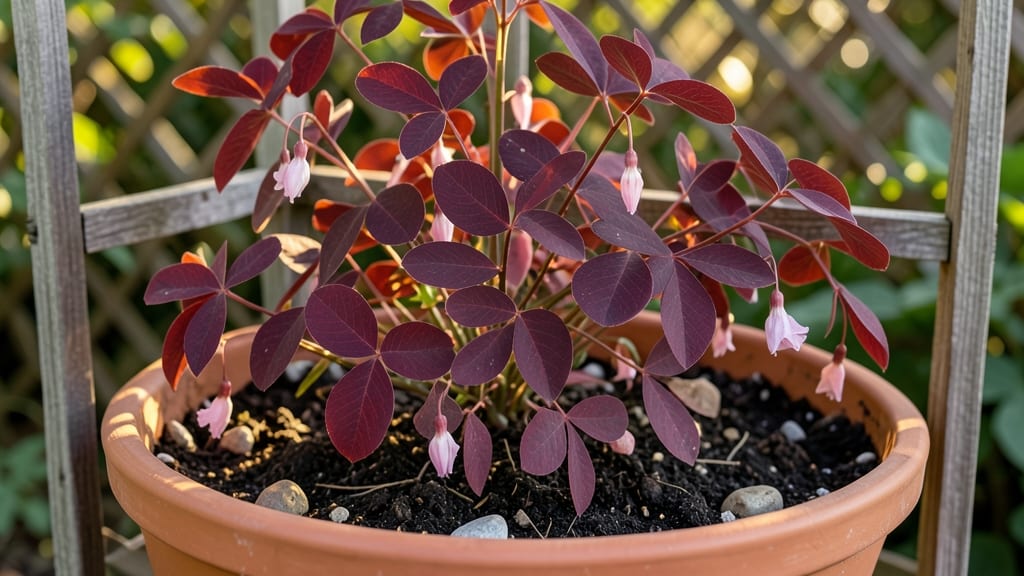
Growing a red leaf peach tree means vibrant foliage that turns your yard into a living art piece. 🌿 The secret to those deep purple-red leaves—and sweet summer fruit—starts with the right spot and soil.
I planted mine in full sun last spring, and now it’s the centerpiece of my garden, with glossy leaves that stay stunning all season. This tree thrives in well-draining soil with a touch of sand or compost mixed in.
Water deeply once a week after planting, then taper off as roots establish—overwatering is the quickest way to kill it. Prune in late winter to shape the tree and encourage strong growth, focusing on removing dead branches and thinning crowded spots.
By summer, you’ll see clusters of small, blushing peaches that ripen in late July or August. The fruit might not be as large as commercial varieties, but the flavor is rich and juicy—perfect for fresh eating or jams.
The real star, though, is the foliage: even in fall, the leaves stay a fiery red before dropping. Works beautifully in landscapes, containers (for dwarf varieties), or as a striking focal point. Here’s how to keep yours thriving year-round!
📚 In This Guide
- What you need
- Instructions
- Tips and common mistakes
- Wrapping up and next steps
What you need
- ● Red Leaf Peach Tree: A healthy, bare-root or potted sapling (check for vibrant red foliage and firm roots). Size: 1-3 feet tall, depending on age.
- ● Well-Draining Soil: A mix of native soil, compost, and perlite (or a pre-mixed loamy soil with a pH of 6.0–7.0). Quantity: Enough to fill your planting area (at least 2–3 cubic feet per tree).
- ● Sunlight Spot: A location with full sun (6–8 hours daily) and protection from strong winds.
- ● Mulch: Organic mulch (wood chips, straw, or pine needles) to retain moisture and regulate soil temperature. Quantity: 2–3 inches, applied in a 2–3 foot radius around the base.
- ● Watering Can or Hose: With a gentle spray nozzle for post-planting hydration.
- ● Fertilizer: A balanced, slow-release 10-10-10 or organic fertilizer (like compost or worm castings) to kickstart growth. Quantity: 1–2 tablespoons per tree.
- ● Garden Gloves: To protect your hands while handling soil or pruning.
- ● Trowel or Shovel: For digging planting holes (aim for twice as wide as the root ball and deep enough to accommodate the roots without bending).
- ● Pruning Shears: Sharp, sterilized shears for shaping the tree and removing dead branches.
- ● Staking System: If planting in windy areas, use 3–4 stakes and soft ties to support young trees.
- ● Drip Irrigation Kit: For consistent watering, especially in dry climates.
- ● Soil pH Test Kit: To monitor and adjust soil acidity if needed.
Step-by-step guide to planting and caring for a red Leaf peach tree
Here’s how to get your peach tree off to a strong start—bold foliage and fruit in just a few seasons.
🌱 Step 1: Choose the Perfect Planting Spot
Red Leaf peach trees thrive in full sun, so pick a location that gets at least 6-8 hours of direct sunlight daily. A south- or west-facing spot works best, but avoid areas where afternoon shade cuts sunlight short. The tree needs space too—plant it 15-20 feet away from buildings or other trees to prevent root competition and allow airflow.
Check the soil drainage before planting. Dig a hole and fill it with water—if it doesn’t drain within an hour, amend the soil with 2-3 inches of compost or sand to improve drainage. Red Leaf peaches hate soggy roots, so well-draining soil is non-negotiable. Test the pH too; aim for 6.0-7.0—you can adjust with lime if needed.
🪴 Step 2: Plant Your Tree at the Right Depth and Support It
Dig a hole twice as wide as the root ball but no deeper. Gently remove the tree from its container and loosen any circling roots with your fingers—this encourages outward growth. Place the tree in the hole so the top of the root ball sits 1-2 inches above ground level. Burying the trunk too deep can cause rot.
Backfill the hole with native soil, tamping it lightly as you go to remove air pockets. Water deeply to settle the soil around the roots, then add a 2-3 inch layer of mulch (like wood chips) around the base, keeping it 3-4 inches away from the trunk to prevent moisture buildup. Stake the tree if needed—use two stakes on opposite sides, tied loosely with soft fabric to avoid damaging the trunk.
☀️ Step 3: Water Deeply and Protect Young Growth
Water your Red Leaf peach tree once a week for the first month, giving it 10-15 gallons each time. After that, water deeply every 7-10 days, soaking the soil to 12 inches down. You’ll know it’s enough when water runs out the drainage holes if planted in a container, or when the top 2 inches of soil feel moist but not soggy.
In the first year, protect the tree from harsh weather. If frost threatens, wrap the trunk in burlap and cover young branches with frost cloth. Prune only to remove dead or crossing branches—avoid heavy pruning until the tree is 2-3 years old. This ensures strong structural growth and sets the stage for bold foliage and fruit production.
✂️ Step 4: Fertilize and Prune for Bold Foliage and Fruit
Start fertilizing in early spring with a balanced 10-10-10 fertilizer, applying ½ pound per inch of trunk diameter. Spread it evenly over the root zone, then water deeply. Repeat every 4-6 weeks during the growing season. In late summer, switch to a low-nitrogen, high-phosphorus fertilizer (like 5-10-10) to encourage root and fruit development.
Prune in late winter or early spring before buds swell. Remove suckers (shoots growing from the base) and dead or diseased branches first. Then, thin out crowded branches to improve airflow—aim for an open vase shape with sunlight reaching the center. This not only boosts fruit production but keeps those signature deep red leaves vibrant and healthy.
🍑 Step 5: Harvest and Maintain for Years of Beauty
Red Leaf peaches ripen in late summer to early fall, usually 80-100 days after flowering. Pick them when they’re slightly soft to the touch and release easily from the tree. Store them at room temperature for a few days or refrigerate for up to a week. The fruit is sweet and juicy, but the real showstopper? Those striking red leaves that turn even more vibrant in cooler weather.
Every 2-3 years, check for signs of stress like yellowing leaves or poor fruit set. If you notice these, adjust your care: more sunlight, better drainage, or adjusted fertilization. With the right spot and consistent care, your Red Leaf peach tree will reward you with bold foliage, fragrant blossoms, and delicious fruit for decades.
Tips & tricks for growing a stunning red Leaf peach tree
Here's what I've learned from years of growing these showstopper trees—details that make all the difference between good and spectacular.
Sunlight Secret: Those 6-8 hours of direct sunlight are non-negotiable, but I've found the best results come from planting on the west side of your yard. Morning sun helps dry dew quickly, reducing fungal risks, while afternoon sun gives that extra boost for vibrant foliage. If your location gets intense afternoon heat, consider a spot with some afternoon shade during peak summer months to prevent leaf scorch.
Soil Test Tip: Before planting, I always take a soil sample to your local extension office for testing. They'll tell you exactly what amendments you need—often it's more than just compost. For Red Leaf peaches specifically, aim for a soil test that shows at least 1.5% organic matter. If yours is lower, work in extra compost or well-rotted manure to give those deep red leaves the nutrients they crave.
Mulching Strategy: That 2-3 inch layer of mulch around your tree's base isn't just decoration—it's a game-changer. I use wood chips because they break down slowly, adding organic matter over time. The key is keeping it 3-4 inches away from the trunk to prevent moisture buildup that can cause rot. In winter, add an extra 2-inch layer of mulch to insulate roots from freezing temperatures.
Pruning Insight: When pruning in late winter, look for branches that cross each other—these create rubbing points that can weaken the tree. I also make sure to remove any branches growing straight upward, as these often break under fruit weight. The open vase shape isn't just about looks; it allows sunlight to reach all parts of the tree, which is crucial for maintaining those signature deep red leaves throughout the growing season.
Pro Tips for Red Leaf Peach
- Here's what I've learned from years of growing these showstopper trees—details that make all the difference between good and spectacular.
- Sunlight Secret: Those 6-8 hours of direct sunlight are non-negotiable, but I've found the best results come from planting on the west side of your yard.
- Soil Test Tip: Before planting, I always take a soil sample to your local extension office for testing.
Frequently asked questions
Got questions about growing red leaf peach trees?
You’re not alone! Here are answers to the most common queries to help you cultivate stunning foliage and delicious fruit with ease.
How fast does a red leaf peach tree grow?
A young red leaf peach tree grows moderately fast—about 12 to 24 inches per year under ideal conditions. With proper care (sunlight, water, and soil), it can reach 15 to 20 feet tall within 5–10 years. Dwarf varieties grow slower but stay compact, perfect for small gardens!
When is the best time to plant a red leaf peach tree?
Plant your tree in early spring or late fall when temperatures are mild (50–70°F). This gives roots time to establish before extreme heat or cold. Avoid planting in summer—heat stress can stunt growth. If you’re in a warm climate, opt for late fall to prevent drought.
Do red leaf peach trees produce edible fruit?
Yes! Despite their showy red foliage, red leaf peach trees bear small, sweet, and slightly tart peaches in late summer. While not as large as commercial varieties, they’re delicious fresh or in jams. Pro tip: Thin fruit early to improve size and quality!
Why are the leaves turning brown or yellow?
Brown/yellow leaves usually signal underwatering, overwatering, or nutrient deficiencies. Check soil moisture—peach trees hate soggy roots! Yellowing between veins often means iron deficiency; amend soil with chelated iron or compost. Pests (like aphids) can also cause stress—inspect leaves regularly!
Can red leaf peach trees survive cold winters?
Most red leaf peach trees tolerate USDA Zones 5–9, but young trees need protection in harsh winters. Wrap the trunk with burlap or tree wrap and mulch heavily around the base. In Zone 4 or colder, choose cold-hardy varieties or plant near a south-facing wall for extra warmth.
What’s a good alternative if I don’t want fruit?
If you love the bold red foliage but skip the fruit, consider these ornamental peach tree alternatives:
All offer year-round interest with minimal upkeep!
Wrapping up and next steps
Growing a red leaf peach tree is a rewarding journey that blends stunning visual appeal with delicious fruit—perfect for adding drama and flavor to your garden! 🌿 With the right care, you’ll enjoy vibrant foliage, fragrant blooms, and juicy peaches that’ll make your neighbors green with envy.
Whether you’re a seasoned gardener or just starting, the key is patience, consistency, and a little love for your leafy (and fruity!) companion.
Ready to take the next step? Start small: pick a sunny spot, gather your supplies, and plant with confidence. Before you know it, your red leaf peach tree will be the star of your yard—and your taste buds will thank you! 🍑✨