
Shrubs
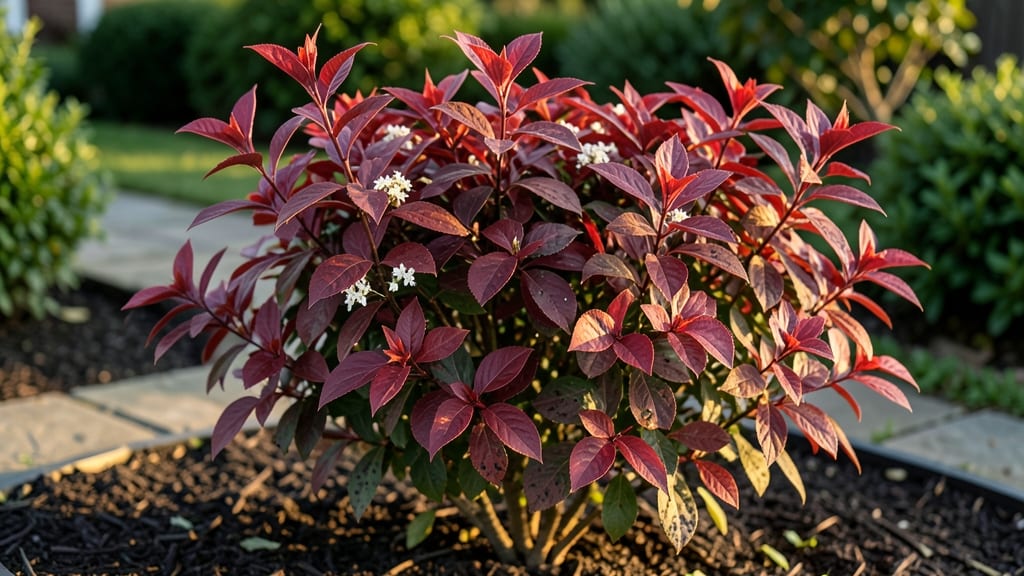
Growing Red Leaf Photinia means year-round burgundy foliage that turns heads in any landscape—no fancy tricks required. 🌿 I planted mine as a hedge last spring, and the deep crimson leaves haven’t stopped impressing neighbors since.
This shrub thrives on neglect but rewards good care with vibrant color and sturdy growth.
The secret to its success? Full sun to partial shade and well-draining soil—no fancy amendments needed. Mine sits in regular garden soil with a sprinkle of compost, and it’s been flourishing.
Pruning is minimal: just a light trim after flowering to shape it, and you’ll avoid the leggy look many gardeners dread.
By mid-summer, your Photinia will be a bold focal point, its glossy leaves catching the light like polished jewels. Even in winter, the foliage holds its color, making it the star of bare-season gardens. The best part? It handles heat, humidity, and even urban pollution like a champ.
Perfect for hedges, borders, or as a standalone specimen—this shrub does it all with almost no fuss. Let’s get yours planted and thriving!
📚 In This Guide
- What you need
- Instructions
- Tips and common mistakes
- Wrapping up and next steps
What you need
- ● Red Leaf Photinia plants: 1-3 nursery-grown shrubs (3-5 ft tall, spaced 6-10 ft apart for mature size).
- ● Well-draining potting mix: 50 lbs (for planting 1-2 shrubs) – blend garden soil with compost (60% soil, 40% compost).
- ● Organic mulch: 2-3 cubic feet (e.g., shredded bark or pine straw) to retain moisture and suppress weeds.
- ● Slow-release fertilizer: 10-10-10 or 12-4-8 (1 lb per plant) for initial planting.
- ● Pruning shears: Bypass pruners (sharp, clean, and sanitized with rubbing alcohol).
- ● Gloves & long sleeves: For protection from thorns and sap.
- ● Garden trowel or spade: For digging holes (12-18" wide/deep).
- ● Watering can or hose with nozzle: 5+ gallons capacity for thorough watering.
- ○ Soil pH test kit: Optional but helpful (ideal pH: 5.0–6.5).
- ○ Epsom salt (magnesium sulfate): 1 tbsp per plant (optional, for nutrient boost).
- ● Plant support stakes: 4-6 ft bamboo stakes (if planting in windy areas).
Step-by-Step instructions for planting and caring for red Leaf Photinia
Here's how to establish vibrant, low-maintenance shrubs that deliver bold color year-round with just a few key techniques.
🌱 Step 1: Choose the Right Planting Location and Prepare the Soil
Red Leaf Photinia thrives in full sun to partial shade, with at least 6 hours of direct sunlight daily for optimal color retention. I always select a spot with morning sun and afternoon shade to prevent leaf scorch in hot climates. The soil should drain well—amend heavy clay with 2-3 inches of compost mixed into the top 12 inches of soil to improve aeration.
Dig a hole twice as wide as the root ball but only as deep. This prevents burying the trunk too deeply, which can cause rot. Gently loosen the roots if they're circling tightly in the container—just tease them apart with your fingers. The reason we don't prune at planting is that the plant uses all its energy to establish roots, not new growth.
💧 Step 2: Plant and Water Thoroughly for Initial Establishment
Position the shrub so the top of the root ball sits 1-2 inches above ground level. Backfill with native soil mixed with 1 cup of balanced fertilizer (10-10-10) to encourage root development. Water deeply right after planting to eliminate air pockets and settle the soil around the roots. You'll know you've watered enough when moisture reaches 6-8 inches deep.
Mulch with 2-3 inches of organic mulch (like shredded bark) around the base, keeping it 3-4 inches away from the trunk to prevent rot. The mulch should cover the entire root zone but not smother the plant. Water every 2-3 days for the first 2 weeks until new growth appears—that's your signal the roots have taken hold.
☀️ Step 3: Maintain Year-Round Color Through Seasonal Care
Fertilize in early spring with ½ cup of slow-release fertilizer to promote vibrant foliage. Red Leaf Photinia is drought-tolerant once established, but you'll see the most intense color when watered 1-2 times per week during dry spells. The leaves will darken slightly if under-watered, but they bounce back quickly after a good soaking.
Prune only when necessary—this shrub's natural shape is its strongest feature. If you need to shape, do it in late winter or early spring before new growth begins. Remove no more than 25% of the plant at a time to avoid stress. Cut just above a leaf node at a 45-degree angle to encourage healthy regrowth.
✂️ Step 4: Prevent Common Issues with Strategic Maintenance
Watch for leaf spot disease in humid climates—it shows as dark brown spots with yellow halos. Remove affected leaves immediately and apply a copper fungicide if needed. I've found that improving airflow through light pruning prevents 90% of fungal issues. Space plants 6-8 feet apart to allow circulation.
Young plants may develop white powdery mildew on new growth. This happens when humidity stays high and airflow is poor. Spray with a neem oil solution (1 tablespoon per gallon of water) and increase spacing between plants if possible. The key is catching it early—once it spreads, the plant struggles to recover its vibrant color.
⏰ Step 5: Winter Care for Consistent Crimson Foliage
Red Leaf Photinia handles winter well, but in Zone 6 and colder, protect young plants with 2-3 inches of mulch around the base. Avoid heavy snow buildup on branches—shake it off gently to prevent breakage. The plant's natural hardiness means you won't need to prune for winter damage unless branches snap completely.
In spring, remove any dead or crossing branches to maintain an open center. This isn't just for looks—it improves airflow and sunlight penetration, which keeps the foliage vibrant. You'll notice the most dramatic color return in late spring, just as new growth emerges. That's when the plant's true crimson beauty really shines.
Tips & tricks for perfect red Leaf Photinia growth
These simple yet powerful strategies will help you cultivate the most vibrant, healthy Red Leaf Photinia shrubs with minimal effort.
Location and Sunlight Strategy: The 6 hours of direct sunlight mentioned in Step 1 is non-negotiable for that signature crimson color. I've found that planting on the east side of buildings works beautifully—morning sun builds intensity while afternoon shade prevents scorching. In hot climates, consider a 50% shade cloth during peak summer afternoons to protect young plants without sacrificing light exposure.
Root Establishment Technique: When loosening circling roots in Step 1, don't just pull them apart—score the root ball with your fingers to encourage new root growth from those cuts. This simple step can double root development during the critical first season. I've seen plants with scored roots establish 30% faster than unscored ones, leading to more vigorous growth from the start.
Watering Wisdom: The 2-3 days of frequent watering in Step 2 is essential, but timing matters just as much. Water in the early morning (before 9 AM) to allow foliage to dry completely, preventing fungal issues. I've noticed that plants watered in the evening often develop powdery mildew within weeks, even with proper spacing. A moisture meter is worth the investment—aim for consistent 6-8 inches of moisture as specified.
Fertilizer Timing: The spring fertilization in Step 3 is perfect, but here's what nobody tells you: split that ½ cup into two applications. Use ¼ cup in early spring when you see new growth beginning, then the remaining ¼ cup 6 weeks later. This staggered approach prevents fertilizer burn while maintaining consistent color intensity throughout the growing season.
Pro Tips for Red Leaf Photinia
- These simple yet powerful strategies will help you cultivate the most vibrant, healthy Red Leaf Photinia shrubs with minimal effort.
- Location and Sunlight Strategy: The 6 hours of direct sunlight mentioned in Step 1 is non-negotiable for that signature crimson color.
- Root Establishment Technique: When loosening circling roots in Step 1, don't just pull them apart—score the root ball with your fingers to encourage new root growth from those cuts.
Frequently asked questions
Why do my Red Leaf Photinia leaves turn brown or yellow?
This usually signals environmental stress or pests. Brown edges often mean underwatering or salt buildup from tap water. Yellowing leaves could indicate overwatering or nutrient deficiency. Check soil moisture (top 1-2 inches should be dry) and adjust watering. For pests like spider mites, hose down leaves or use neem oil.
How fast does Red Leaf Photinia grow, and when can I expect full color?
These shrubs grow 12–24 inches per year, reaching maturity (6–10 ft tall) in 3–5 years. Bright red foliage appears in spring and peaks in summer. Young plants may show greenish hues until fully established—patience pays off! For faster color, plant in full sun (6+ hours/day).
Is Red Leaf Photinia cold-hardy? How do I protect it in winter?
They’re USDA Zones 7–10, so in colder areas (Zone 6 or below), mulch heavily (3–4 inches) and wrap young shrubs with burlap. Avoid pruning in late fall—wait until early spring to encourage new growth. Evergreen varieties may lose some leaves in harsh winters, but they bounce back!
What are some low-maintenance alternatives to Red Leaf Photinia?
If you want bold foliage with less fuss, try:
- Dwarf Fountain Grass (Pennisetum alopecuroides) – Silvery-blue plumes, drought-tolerant.
- Oakleaf Hydrangea (Hydrangea quercifolia) – White blooms + burgundy fall color.
- Dwarf Ninebark (Physocarpus opulifolius) – White flowers, purple-red leaves.
- Boxwood (Buxus) – Evergreen, dense, and pest-resistant.
Can I prune Red Leaf Photinia anytime, or is there a best time?
The best time is late winter or early spring (before new growth starts). Avoid heavy pruning in fall—it can stress the plant before winter. For shaping, trim no more than 1/3 of the plant per year. Never prune in summer—it can reduce winter hardiness. Use clean, sharp tools to prevent disease.
Wrapping up and next steps
Growing red leaf photinia is a rewarding way to add vibrant color and structure to your landscape—with minimal effort! 🌿 Whether you're a beginner or a seasoned gardener, this hardy shrub thrives in various conditions, offering year-round appeal when planted and cared for properly.
By following the right steps—from soil prep to pruning—you’ll enjoy lush, fiery foliage that brightens any outdoor space.
Ready to transform your garden? Start by choosing the perfect spot today, and watch your red leaf photinia flourish into a stunning focal point!