
Lawn
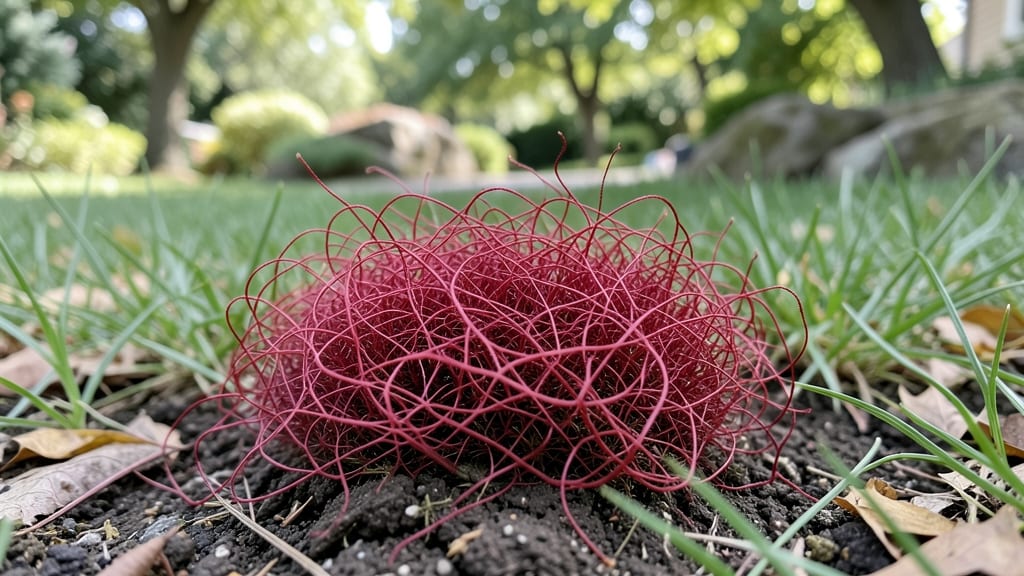
That stubborn red-tinted weed creeping into your lawn isn’t just an eyesore—it’s a sign your grass needs attention. 🌱 I’ve wrestled with red-leafed weeds like clover and plantain for years, and I’ve learned the right approach keeps them from coming back.
The problem starts when your lawn gets too thin or compacted, letting weeds take over. But the fix isn’t just pulling them—it’s fixing the soil, watering right, and mowing at the perfect height to crowd them out.
You’ll learn how to spot these weeds early, pull them without harming your grass, and use simple natural methods to keep them from sprouting again. The results? A thicker, greener lawn that outcompetes weeds naturally. No more chemical sprays or guesswork—just proven techniques that work for any yard.
Let’s get started!
Root Causes Of Red Leaf Weed
If you’ve noticed patches of grass turning a striking red, you’re likely dealing with a type of broadleaf weed—often misidentified as "red leaf weed" (commonly Trifolium pratense, or red clover, or Oxalis species like yellow or purple nutsedge).
These weeds thrive in lawns due to specific environmental and lawn-care triggers. Below, we break down the key reasons why they take over, so you can address the real problem—not just the symptoms.
Weeds like red clover or oxalis often flourish when your lawn is over-fertilized, particularly with high levels of nitrogen. While nitrogen promotes green grass growth, it can create a thin, weak turf that leaves gaps for weeds to invade.
Additionally, phosphorus-heavy fertilizers encourage broadleaf weeds by supporting their root systems.
Why it happens:
- Excess nitrogen speeds up grass growth, but it also stresses the roots, making them vulnerable to weed seeds.
- Imbalanced soil pH (too acidic or alkaline) weakens grass, while weeds like oxalis thrive in acidic conditions (pH < 6.0).
- Organic matter buildup (from over-mulching or decomposed leaves) can create a rich, weed-friendly soil layer.
Actionable fix: Test your soil’s pH and nutrient levels (use a DIY kit or send a sample to a lab). Adjust fertilization to slow-release, balanced formulas (e.g., 16-4-8 or 12-12-12) and avoid overapplying. For acidic soils, add lime to raise pH to 6.0–7.0.
Weeds like red clover and oxalis are drought-tolerant and often outcompete grass when watering is inconsistent. Deep, infrequent watering (as recommended for lawns) can stress shallow-rooted weeds, but shallow, frequent watering keeps the soil surface moist—perfect for weed seeds to germinate.
Why it happens:
- Light, frequent watering (e.g., sprinkling daily) keeps the topsoil damp, encouraging weed seed germination.
- Underwatering weakens grass, creating bare spots where weeds take hold.
- Overwatering (soggy soil) suffocates grass roots but fuels weed growth, especially in clay-heavy soils.
Actionable fix:
- Water deeply 1–2 times per week (early morning, 1–1.5 inches total) to encourage deep grass roots.
- Avoid end-of-day watering, which promotes fungal diseases that further stress grass.
- Use a soaker hose or drip irrigation to deliver water directly to roots, reducing surface moisture for weeds.
Weeds move in when your lawn’s grass density is low. This happens due to foot traffic, disease, poor mowing habits, or lack of overseeding. Thin grass = more sunlight and space for weeds to spread.
Why it happens:
- Scalping (cutting too short) weakens grass, leaving it prone to drought and weed invasion.
- Compacted soil (from heavy foot traffic or machinery) smothers roots, reducing grass vigor.
- Disease or pests (e.g., grubs, chinch bugs) create dead patches where weeds thrive.
- No overseeding means bare spots go unfilled, giving weeds a foothold.
Actionable fix:
- Mow at 3–4 inches tall to shade out weeds and strengthen grass.
- Aerate compacted soil in fall to improve root growth.
- Overseed bare or thin areas with a dense, shade-tolerant grass mix (e.g., fine fescue or Kentucky bluegrass).
- Apply a pre-emergent herbicide in early spring to block weed seeds (but avoid if overseeding).
Some weeds, like red clover, love full sun, while others (e.g., oxalis) thrive in shady, moist spots. If your lawn has uneven sunlight exposure, certain areas become weed magnets.
Why it happens:
- Too much shade (from trees or structures) weakens grass, while oxalis or chickweed take over.
- South-facing slopes get intense sun, encouraging drought-loving weeds like crabgrass.
- Newly planted grass takes time to establish, leaving gaps for weeds to fill.
Actionable fix:
- For shady areas, choose shade-tolerant grasses (e.g., creeping red fescue) or mulch heavily to block light.
- For sunny patches, ensure proper watering and mowing to outcompete weeds.
- Thin dense tree canopies to allow 6+ hours of sunlight for grass.
Pro Tip: 💡 Most red-leaf weeds are opportunists—they exploit weak lawns, not healthy ones. Focus on strengthening your grass first, and the weeds will have nowhere to hide!
How to Fix Red Leaf Weed Naturally
Now that you know why red leaf weed (like red sorrel or redstem filaree) invades your lawn, it’s time to tackle it—without harsh chemicals! The good news? Most of these weeds thrive in poor soil conditions, so improving your lawn’s health is half the battle.
Below, we’ve broken down practical, step-by-step solutions based on the most common causes of red leaf weed, plus prevention tips to keep it from coming back.
Fix: Aerate + Amend Soil Red leaf weed loves compacted, waterlogged, or nutrient-poor soil. To starve it out and create a healthier lawn:
- 🍳 Aerate the Lawn
- Rent a core aerator (or hire a lawn service) to pull out small soil plugs, about 3–4 inches deep.
- Focus on high-traffic areas where soil is most compacted.
- Pro Tip: Do this in early fall or spring when grass is actively growing.
- 👨🍳 Top-Dress with Compost
- Spread a ¼-inch layer of compost over the aerated areas.
- Lightly rake it in so it mixes with the soil.
- Why? Compost improves drainage, adds organic matter, and crowds out weeds by promoting grass growth.
- 🌱 Overseed Bare Spots
- After aerating, sow grass seed (choose a shade-tolerant mix if needed).
- Keep soil moist but not soggy for 2–3 weeks to help seeds germinate.
Fix: Boost Grass Density & Light Exposure Red leaf weed often takes over where grass struggles—whether from shade, poor mowing habits, or thin turf.
- ✂️ Adjust Mowing Height
- Set your mower higher (3–4 inches) to shade out weeds and strengthen grass roots.
- Never remove more than ⅓ of the grass blade in one mowing.
- 💡 Improve Airflow & Light
- Trim back overgrown trees or bushes to let more sunlight reach the lawn.
- If shade is unavoidable, plant shade-tolerant grasses like fine fescue or creeping red fescue.
- 🌱 Fertilize Smartly
- Apply a slow-release, nitrogen-rich fertilizer in early spring and fall.
- Avoid high-phosphorus lawn foods, which can encourage weeds.
- Pro Tip: Use a weed-and-feed product sparingly (only if needed) and never in extreme heat—it can burn grass.
Fix: Manual Removal + Barrier Methods Hand-pulling is the best short-term fix, but you need a strategy to prevent regrowth.
- 🔪 Pull Weeds at the Right Time
- Best time: When soil is moist (after rain) and weeds are young (before they seed).
- How to pull:
- Grasp the weed at the base (where the stem meets the soil).
- Use a weed puller or gardening fork for deep roots (like red sorrel).
- Warning: Wear gloves—some red leaf weeds (like redstem filaree) can irritate skin.
- 🛡️ Block Light to Stop Regrowth
- After pulling, cover bare spots with:
- Cardboard or thick mulch (smother weeds for 4–6 weeks).
- Black plastic sheeting (for stubborn patches; remove after 3–4 weeks).
- Once grass fills in, the weeds won’t return.
- After pulling, cover bare spots with:
- 🌱 Fill Gaps with Clover or Microclover
- Plant white clover in thin areas—it crowds out weeds, fixes nitrogen in the soil, and stays green in shade.
Once your lawn is healthy, maintenance is key to stopping red leaf weed from moving back in:
- 📊 Water Deeply but Infrequently
- Water 1–1.5 inches per week (including rain) to encourage deep grass roots. Shallow watering weakens grass and invites weeds.
- 🌱 Test Soil & Adjust pH
- Ideal lawn pH: 6.0–7.0. If your soil is too acidic (below 6.0), add lime; if too alkaline (above 7.5), use sulfur or peat moss.
- 🔄 Rotate Lawn Care Practices
- Alternate between organic fertilizers (like compost tea) and slow-release granules to avoid nutrient buildup that weeds love.
- 🚫 Avoid Over-Fertilizing
- Too much nitrogen = fast grass growth but weak roots = more weed opportunities. Stick to a balanced 16-4-8 or 20-5-10 fertilizer.
- 🕒 Stay Ahead of Seeding
- Red leaf weeds spread via seeds and runners. Pull them before they flower (usually spring to early summer).
Final Thought: Red leaf weed is a sign your lawn needs TLC—not a hopeless battle. By fixing soil, improving grass health, and staying consistent, you’ll crowd out weeds naturally. Start with one method this week, and watch your lawn transform! 🌿✨
Frequently asked questions
What are the most common types of red-leafed weeds in grass?
The most likely culprits are red clover (with its distinctive three-leaf clusters), red sorrel (with arrow-shaped leaves), and redstem filaree (with wiry stems). These weeds often appear in thin, compacted lawns where grass struggles to compete. Other possibilities include oxalispurslane (with thick, red-tinged stems).
Can I use vinegar to kill red leaf weeds in my lawn?
Yes, but with caution! A 20% vinegar solution (mix 1 part white vinegar with 1 part water) works as a natural herbicide. Spray directly on weeds (avoid grass) on a sunny day when temperatures are above 50°F. Reapply every 5-7 days until weeds die. However, vinegar can also harm grass, so spot-treat carefully or use a targeted spray bottle.
How do I know if my lawn soil is too acidic for grass?
Test your soil pH using a DIY test kit (available at garden centers). If the pH reads below 6.0, your soil is too acidic. Red leaf weeds like oxalis and sorrel thrive in acidic conditions. To fix it, spread pelletized lime according to package instructions and water thoroughly. Re-test in 2-3 months to check progress.
Will mowing higher help prevent red leaf weeds?
Keeping grass at 3-4 inches tall shades out sunlight that weeds need to grow. Taller grass also develops deeper roots, making it more resilient against drought and weed invasion. Just avoid cutting more than ⅓ of the grass blade at once to prevent stress. This simple habit crowds out most red-leafed weeds over time.
Are there any natural weed preventers I can use instead of chemicals?
Try these organic alternatives: Corn gluten meal (applied in early spring) blocks weed seeds from germinating, while clover or microclover planted in thin areas crowds out weeds naturally. For existing weeds, boiling water poured directly on the roots works well for small patches. Regular lawn aeration and compost top-dressing also strengthen grass to outcompete weeds.