
Size
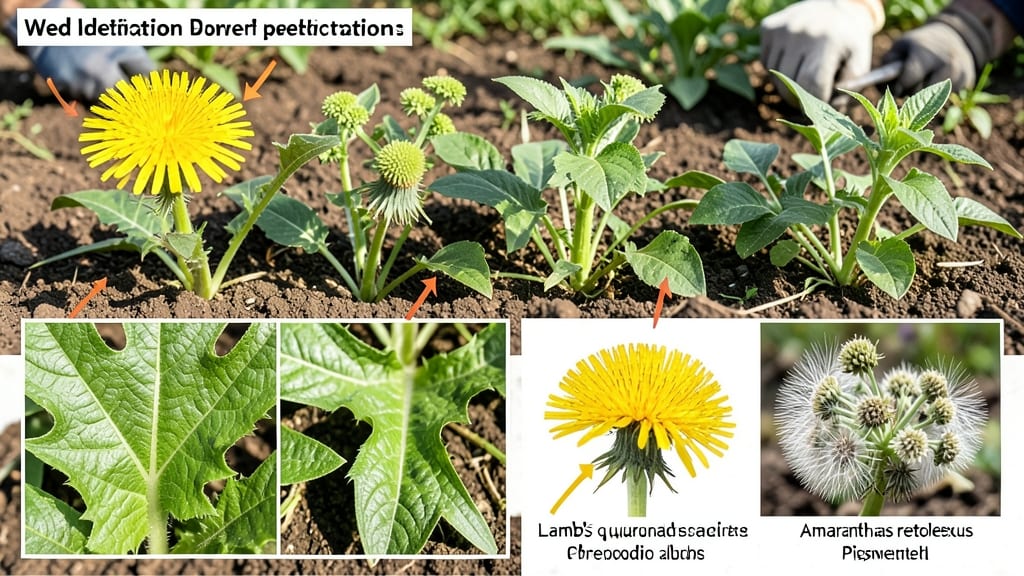
Mastering tall broadleaf weed identification can save your garden from wasted effort—and my first season, I spent hours pulling the wrong plants. 🌱 These 12 lookalikes mimic desirable greens like spinach or basil, but their deep roots and rapid growth steal nutrients from what you want to thrive.
The key is leaf shape and growth pattern: broadleaf weeds often have jagged edges, milky sap (like dandelions), or rosette formations. Plantain spreads in patches, while lamb’s quarters grows upright with tiny yellow flowers. Confusing them with edibles costs time, but a quick leaf inspection prevents costly mistakes.
Once you spot them, removal is simple: dig deep (roots regrow if cut), mulch heavily, or use vinegar spray for stubborn patches. My garden’s soil health improved after switching from chemical sprays to targeted pulling—no more bare spots or struggling veggies.
Regional differences matter: Northern gardens see more dock and sorrel, while Southern climates battle morning glories and smartweed. The guide covers all 12, with photos to compare side by side. Let’s get those weeds out for good.
Root Causes Behind Weed Spread
Tall broadleaf weeds don’t just pop up by accident—they thrive because of specific conditions that favor their growth. Understanding these causes helps gardeners and land managers take targeted action. Below, we break down the key factors that allow these weeds to dominate, from soil conditions to human behavior.
Weeds like dandelions, pigweed, and lamb’s quarters flourish in disturbed or nutrient-rich soil. Here’s why:
- Excess nitrogen: Fertilizer runoff (especially from lawns or crops) creates a feast for fast-growing broadleaf weeds. These weeds often outcompete desirable plants by absorbing nitrogen 10x faster than grasses.
- Compacted or bare soil: Heavy foot traffic, construction, or tilling disrupts soil structure, leaving gaps for weed seeds to germinate. Compacted soil also reduces water drainage, creating ideal moisture conditions for weeds.
- Lack of organic matter: Soil low in compost or mulch struggles to retain moisture and nutrients, making it easier for weeds to establish deep root systems.
Actionable fix: Conduct a soil test to check pH and nutrient levels. Amend soil with compost or mulch to improve structure and suppress weeds naturally. Pro tip: 💡 A 3–4 inch layer of wood chips or straw can block 80% of sunlight, preventing weed seeds from sprouting.
Most tall broadleaf weeds are sun-loving (heliophytes), meaning they thrive in full sunlight. Pair that with consistent moisture, and you’ve created a weed paradise.
- Full-sun exposure: Weeds like bindweed and morning glory grow aggressively in open areas, especially where grass or ground cover is sparse.
- Overwatering or poor drainage: Excess moisture keeps soil soft and seedbed-ready. Weeds such as smartweed and waterhemp exploit wet, disturbed soil to spread rapidly.
- Seasonal triggers: Many broadleaf weeds germinate in spring and fall when temperatures are mild (50–85°F) and soil is moist. A single weed plant can produce thousands of seeds per season.
Actionable fix: Improve drainage with raised beds or French drains. Use drip irrigation (instead of overhead watering) to target plants—not weeds. Pro tip: ✨ Mulch heavily around desired plants to block sunlight and conserve moisture.
Weeds are opportunistic—they exploit any disruption to ecosystems. Human actions (intentionally or not) create perfect conditions for their spread:
- Tilling or digging: Turning soil aerates it, bringing dormant weed seeds to the surface. A single tilling session can bring up 100+ seeds per square foot.
- Foot traffic: Walking on lawns or gardens compacts soil and spreads seeds via shoes or tools. Example: Crabgrass seeds hitchhike on mower blades and shoes.
- Landscaping practices: Over-pruning trees or removing ground cover creates open spaces where weeds like poison ivy or stinging nettle take over.
- Contaminated hay/mulch: Weed seeds hidden in purchased soil amendments or mulch can introduce new species to your property.
Actionable fix: Avoid tilling—use no-till gardening or hand-pull weeds instead. Pro tip: 🔥 Disinfect tools between uses with a 1:9 bleach-water solution to prevent spreading seeds.
While not a direct cause, certain pests and diseases can weaken desirable plants, leaving gaps for weeds to invade:
- Grub damage: Japanese beetles or white grubs kill grass roots, creating bare patches where clover or chickweed move in.
- Fungal infections: Diseases like dollar spot on lawns kill turf, allowing weeds to establish quickly.
- Deer or livestock overgrazing: Animals selectively eat grasses, leaving broadleaf weeds (like thistle) to dominate.
Actionable fix: Treat pest issues promptly with organic or targeted pesticides. Overseed bare patches with grass or clover to outcompete weeds. Pro tip: 🌡️ Monitor soil temperature—weeds germinate faster in warm soil (above 60°F).
Quick Fixes for Stubborn Weeds
Tall broadleaf weeds don’t just pop up overnight—they thrive because of specific conditions in your yard or garden. The good news? With the right approach, you can tackle them head-on. Below, we’ve mapped out practical solutions based on the most common causes, from overgrown lawns to soil imbalances.
Follow these steps to reclaim your space—without breaking the bank or your back.
Cause: Weeds flourish where grass struggles to compete—think patchy lawns, bare spots, or shaded areas.
How to Fix It: 🔥 Step 1: Reseed or Overseed
- Test your soil’s pH (ideal for grass: 6.0–7.0). Adjust with lime (to raise pH) or sulfur (to lower it).
- Choose dense, competitive grass like tall fescue or Kentucky bluegrass for shaded areas.
- Pro tip: 🌡️ Sprinkle grass seed mixed with a starter fertilizer (high in phosphorus) for faster germination.
🍳 Step 2: Improve Soil Health
- Aerate compacted soil in spring or fall to help roots breathe.
- Top-dress with 1–2 inches of compost to boost organic matter.
- Avoid heavy foot traffic until grass fills in (weeds love disturbed soil!).
👨🍳 Step 3: Mow High and Often
- Set your mower to 3–4 inches to shade out weeds and strengthen grass roots.
- Never remove more than ⅓ of the blade in one mowing—this stresses grass and invites weeds.
Cause: Irregular watering creates dry spots where weeds like dandelions or chickweed take over, while overwatering feeds moisture-loving invaders like lamb’s quarters.
How to Fix It: 🔪 Step 1: Adjust Your Watering Routine
- Deep and infrequent is key: Water 1–1.5 inches per week (including rain), early in the morning.
- Use a soaker hose or drip irrigation to target grass roots, not weeds.
- For drought-prone areas, group plants with similar water needs (e.g., clover with grass).
⏰ Step 2: Fix Leaks or Runoff
- Check sprinkler heads for misaligned sprays that drench sidewalks or driveways (wasteful + weed-friendly).
- Redirect downspouts away from foundations to prevent water pooling.
Cause: Weeds like plantain or purslane thrive in soil lacking nitrogen or other key nutrients, while others (e.g., creeping Charlie) exploit imbalances.
How to Fix It: 📊 Step 1: Test and Fertilize Smartly
- Conduct a soil test (DIY kits from garden centers work). Common deficiencies?
- Nitrogen (N): Yellow grass? Use a balanced fertilizer (10-10-10) or composted manure.
- Phosphorus (P): Slow growth? Try bone meal or superphosphate.
- Potassium (K): Brown edges? Use wood ash or a potassium sulfate supplement.
- Avoid over-fertilizing—this can burn grass and feed weeds like crabgrass.
💡 Step 2: Mulch Strategically
- Apply 2–3 inches of organic mulch (shredded leaves, straw) around garden beds to suppress weeds and retain moisture.
- For lawns, use a light layer of compost in thin areas instead of mulch.
Cause: Shady spots (under trees, fences, or decks) become weed magnets because grass can’t grow there—but weeds like ground ivy or wild violet love the dim light.
How to Fix It: 🌿 Step 1: Choose Shade-Tolerant Plants
- Replace weeds with creeping thyme, clover, or shade grass (e.g., fine fescue).
- For garden beds, plant hostas, ferns, or astilbe to outcompete weeds naturally.
✨ Step 2: Use Landscape Fabric (Temporarily)
- Lay perforated landscape fabric under mulch in high-weed areas. Remove weeds first—don’t smother them!
- Note: Fabric isn’t forever—reassess in 2–3 years and refresh as needed.
Once you’ve cleared the invaders, lock them out with these habits:
- Pull weeds early (when they’re small and easy to remove by hand).
- Edge your lawn regularly to prevent weeds from creeping into grassy areas.
- Apply pre-emergent herbicide in early spring (before weed seeds germinate).
- Encourage beneficial insects like ladybugs (they eat weed seeds!) with native plants.
- Solarize bare soil in summer: Cover weed-prone areas with clear plastic for 4–6 weeks to bake seeds.
Remember: Consistency is key. Weeds don’t disappear overnight, but with targeted fixes and prevention, your yard will stay lush—and weed-free! 🚀
Frequently asked questions
How can I tell if a tall green plant is a weed or a desirable garden plant?
Check the leaf shape and growth pattern: weeds often have jagged edges, milky sap (like dandelions), or rosette formations. For example, plantain spreads in patches, while lamb’s quarters grows upright with tiny yellow flowers. Compare to your planted species—edibles like spinach have smooth leaves and grow closer to the ground.
What’s the best time of year to remove tall broadleaf weeds?
Target removal in early spring (before seeds spread) or late fall (when weeds store energy in roots). For stubborn weeds like bindweed, pull them when soil is moist but not muddy—this makes roots easier to extract without breaking.
Will vinegar kill tall broadleaf weeds, and how strong should it be?
Yes, but use undiluted white vinegar (5% acetic acid) for best results. Spray on a sunny day to maximize leaf burn. Add 1 tablespoon of dish soap per gallon to help the solution stick. Reapply every 3-5 days until weeds die—it may take 2-3 weeks for deep-rooted varieties.
Why do some weeds keep coming back after I pull them?
Most likely, you missed the deep roots or didn’t remove the entire plant. Weeds like dandelions and plantain have taproots that can regrow from tiny fragments. Dig 6+ inches deep and check for root pieces. For persistent weeds, try solarization (covering with plastic for 4-6 weeks) to kill seeds in the soil.
Are there any tall broadleaf weeds that are actually beneficial?
Yes! Some "weeds" like clover fix nitrogen in soil, chickweed attracts pollinators, and lamb’s quarters are edible. If you spot beneficial species, consider leaving small patches—just monitor their spread. For others, focus removal on the most aggressive invaders first.