
Leaf Blower
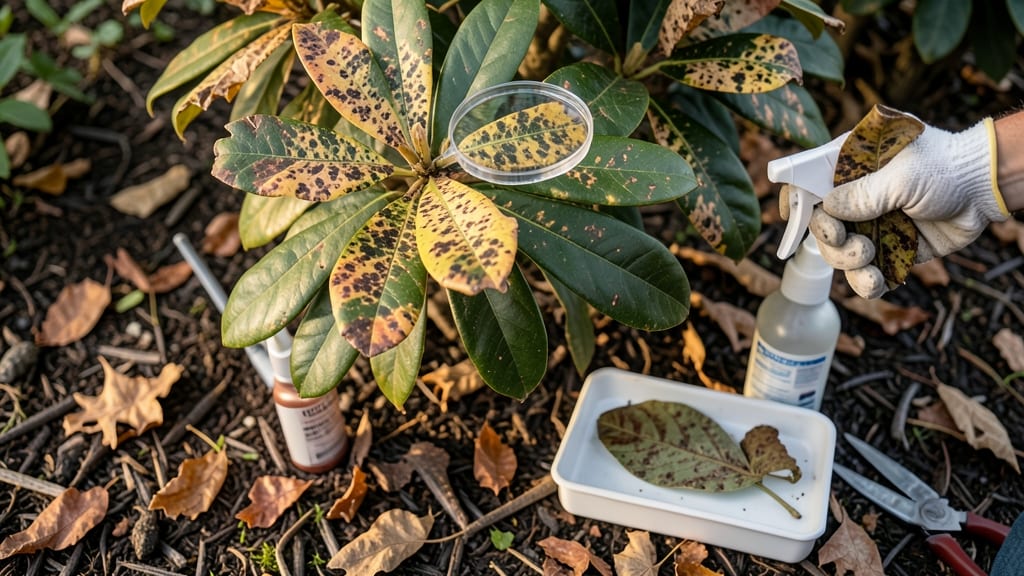
Those unsightly brown spots on rhododendron leaves aren’t just ugly—they’re a fungal infection that spreads fast if you ignore it. 🌿 I’ve battled leaf spot on my own rhodies, and the key to stopping it is a 3-step organic spray routine that actually works without harsh chemicals.
Leaf spot thrives in damp, shady conditions, so poor air circulation and overhead watering make your plants prime targets. The brown or purple spots with yellow halos? That’s your rhododendron’s SOS signal—if you don’t act, the fungus will munch its way through the entire plant by summer.
With the right baking soda spray and proper cleanup, you can reverse the damage in just a few weeks. I’ll show you exactly how to mix it, when to apply it, and which leaves to toss—no guesswork, just results.
This method works for all rhododendrons, whether they’re in beds, borders, or containers. The best part? Once you’ve got the spray down, you’ll catch leaf spot early before it becomes a full-blown crisis.
The Hidden Triggers Behind Leaf Spots
If your rhododendron’s leaves are developing unsightly brown or black spots, the culprits are often lurking in plain sight—or hiding in the soil and air. Understanding why these spots form is the first step to stopping them.
Below, we break down the most common causes, backed by science, so you can take targeted action.
Fungal pathogens like Lophodermium and Dothistroma species are the #1 cause of leaf spot diseases in rhododendrons. These fungi thrive in humid, damp conditions and spread via spores carried by wind, rain, or even garden tools.
- How it works: Spores land on leaves, germinate in moisture, and penetrate leaf tissue through natural openings (stomata) or wounds. Once inside, they multiply, killing plant cells and creating the characteristic spots.
- Key triggers:
- 🌧️ Prolonged leaf wetness (e.g., overhead watering, poor airflow, or rainy seasons).
- 🌿 Thick, dense foliage that traps moisture and blocks sunlight, creating a fungal paradise.
- 🍂 Decaying organic matter (like fallen leaves or mulch) near the plant, which fungi use as a food source.
- Red flag: Spots often start as small, dark specks that expand with yellow or brown halos—classic signs of fungal activity.
💡 Pro Tip: Fungi love consistently wet leaves. Water at the base of the plant in the morning (not evening) to let foliage dry quickly. Space plants to improve airflow—aim for 3–4 feet between bushes.
While less common than fungi, bacterial leaf spot (often caused by Pseudomonas or Xanthomonas) can turn your rhododendron’s leaves into a slime-covered mess in weeks. Bacteria hitchhike on splashing water, tools, or even your hands.
- How it works: Bacteria enter through leaf wounds (e.g., from hail, insects, or pruning) and multiply rapidly in warm, wet conditions. Infected leaves develop water-soaked spots that ooze a yellowish fluid when touched.
- Key triggers:
- 🌡️ Warm, humid weather (ideal for bacterial growth, often 70–85°F).
- 🔪 Physical damage to leaves (e.g., from pruning shears, hail, or insect bites).
- 💦 Splashing water during irrigation or rain, which spreads bacteria from soil to foliage.
- Red flag: Spots may have a greasy or shiny appearance and often appear on lower leaves first.
🔥 Action Step: Sterilize pruners with 70% isopropyl alcohol before and after use. Avoid overhead watering—use drip irrigation or soaker hoses to keep leaves dry.
Not all leaf spots are caused by pathogens—sometimes, your rhododendron’s environment is literally poisoning its leaves. Poor air quality, nutrient deficiencies, or extreme conditions can mimic (or worsen) fungal/bacterial infections.
- How it works: Stress weakens the plant’s defenses, making it more susceptible to pathogens. It can also cause necrotic spots (dead tissue) from direct damage.
- Key triggers:
Stressor Effect on Leaves How to Fix 🌬️ Pollution (ozone, sulfur dioxide) Brown or purple spots, often on upper leaves. Move plants away from roads or industrial areas; use mulch to reduce dust. ☀️ Sunburn (too much direct sun) White or grayish spots, crispy edges. Provide afternoon shade (especially in hot climates). 💧 Over/under-watering Yellowing, wilting, or edge browning. Water deeply 1–2x per week (check soil moisture 2" down). 🌱 Nutrient deficiency (magnesium, iron) Yellow spots between veins (chlorosis). Apply chelated iron or Epsom salt (1 tbsp/gallon water).
✨ Quick Fix: If spots appear suddenly with no other symptoms, rule out environmental stress first. A leaf analysis test (from your local extension office) can confirm deficiencies.
Pests like lace bugs, spider mites, or scale insects don’t cause leaf spots directly—but their feeding weakens leaves, making them prime targets for fungal/bacterial infections.
- How it works: Insects pierce leaves to feed, creating tiny wounds that let pathogens in. Their waste (honeydew) also fosters sooty mold, which darkens leaves.
- Key triggers:
- 🕷️ Lace bugs: Yellow stippling on upper leaves, black feces on lower leaves.
- 🕸️ Spider mites: Fine webbing, speckled leaves (especially in dry heat).
- 🐛 Scale insects: Sticky residue (honeydew) and black mold growth.
- Red flag: Look for tiny holes, speckling, or sticky residue on leaves.
🎯 Prevention: Blast pests off with a strong stream of water or use neem oil spray (1 tsp neem oil + 1 tsp mild soap per quart of water). Repeat every 7–10 days.
Fixing Fungal Foliage Foes
Fungal leaf spots on your rhododendrons don’t have to be a death sentence—with the right approach, you can restore your plants to their vibrant best.
Below, we’ll tackle the most common causes of leaf spot diseases (like Lophodermium needle cast, Phytophthora root rot, or Septoria leaf spot) and provide practical, organic solutions to treat and prevent future outbreaks. Think of this as your plant’s emergency first aid kit!
If your rhododendron leaves are developing brown or black spots with yellow halos, or if the edges look like they’ve been singed by a match, fungi are likely the culprits. These pathogens thrive in moist, warm conditions, so quick action is key.
🍳 Step 1: Prune Like a Pro
Remove infected leaves immediately to stop the spread.
Here’s how: - Use sterilized pruners (wipe with rubbing alcohol between cuts). - Snip off spots at least ½ inch below the discolored area. - Bag and discard infected foliage in the trash (not compost). - Avoid wetting healthy leaves while watering—aim for the soil.
> 💡 Pro Tip: If the disease is severe, prune in dry, sunny weather to help wounds dry faster.
👨🍳 Step 2: Apply Organic Fungicides
Skip the harsh chemicals and try these effective, plant-safe sprays: - Neem Oil Solution (1 tsp neem oil + 1 tsp mild soap + 1 quart water).
Spray every 7–10 days until new growth appears. - Baking Soda Spray (1 tbsp baking soda + 1 tsp oil + 1 gallon water). Test on a small leaf first—some rhododendrons are sensitive. - Copper Fungicide (like Copper Soap or Bordeaux Mixture). Follow label instructions for concentration.
> ✨ Prevention Hack: After spraying, water the soil deeply (not the leaves) to encourage root health and reduce fungal spores in the air.
🥘 Step 3: Improve Airflow & Soil Health
Fungi love stagnant, soggy conditions. Fix these issues ASAP:
- Space plants 3–5 feet apart to reduce humidity between leaves.
- Mulch properly (2–3 inches of pine bark or cedar chips) to keep soil moist but not waterlogged.
- Aerate compacted soil with a garden fork if drainage is poor.
- Water in the morning so leaves dry by evening.
Not all leaf spots are fungal—environmental factors like sun scorch, nutrient deficiencies, or pests can mimic the damage.
🎯 Fixing Sunburn & Heat Stress
If spots look bleached or crispy (especially on young leaves), your rhododendron is getting too much direct sun.
- Provide afternoon shade with a lightweight shade cloth (30–50%).
- Mulch heavily to keep roots cool.
- Water deeply 2–3 times per week during heatwaves.
💪 Addressing Nutrient Deficiencies
Yellowing between veins? Iron or nitrogen deficiency could be the culprit.
- Test your soil (a simple DIY kit from a garden center works).
- Add compost or worm castings for organic nutrients.
- Use an iron chelate spray (like Sequestrene) if chlorosis (yellowing) persists.
Once you’ve treated the issue, lock in those gains with these easy maintenance habits:
| Problem | Prevention Fix | Frequency |
|---|---|---|
| Fungal spores | Apply neem oil spray monthly | Spring–Fall |
| Poor drainage | Amend soil with perlite or sand | Once (at planting) |
| Overhead watering | Use drip irrigation or soaker hoses | Always |
| Compacted soil | Aerate annually with a garden fork | Early spring |
| Pests (like lace bugs) | Spray insecticidal soap as needed | Weekly checks |
> 🔥 Firewall Tip: Clean up fallen leaves in autumn—they’re fungal spore hotels!
By following these steps, your rhododendrons will bounce back faster and stay spot-free for seasons to come. The key? Act fast, keep it clean, and give your plants the right conditions to thrive. Now go forth and rescue those leaves! 🌿✨
Frequently asked questions
How can I tell if my rhododendron spots are fungal vs. environmental?
Fungal spots typically appear as dark brown or black marks with yellow halos and often have tiny black dots (fungal spores) in the center. Environmental spots (like sunburn) usually look bleached, crispy, or dry without halos. Check for wet, humid conditions—fungi thrive there!
Can I save my rhododendron if most leaves are already spotted?
Yes! Prune off 70-80% of infected leaves immediately, then apply a neem oil spray (1 tsp neem + 1 tsp soap per quart of water). Focus on new growth—healthy leaves will regenerate faster than you think. Keep soil moist but avoid wetting foliage.
Why does my rhododendron keep getting leaf spot even after treatment?
Persistent spots often mean poor airflow or hidden fungal spores in mulch/soil. Space plants 3-4 feet apart, remove all fallen leaves, and sterilize tools with rubbing alcohol. Try a copper fungicide for stubborn cases—it prevents spore germination.
Is it safe to compost rhododendron leaves with spots?
Never compost infected leaves—they’ll spread spores and reinfect your plants! Bag them in the trash instead. For organic matter, compost only healthy leaves from disease-free plants. Fungal spores survive composting heat poorly, but why risk it?
How often should I spray my rhododendrons for prevention?
Apply a preventive spray (neem oil or baking soda mix) every 2-3 weeks during spring and fall—peak fungal seasons. After heavy rain, do a follow-up spray within 48 hours to protect wet leaves. Consistency beats occasional heavy treatments!