
Pests and Diseases
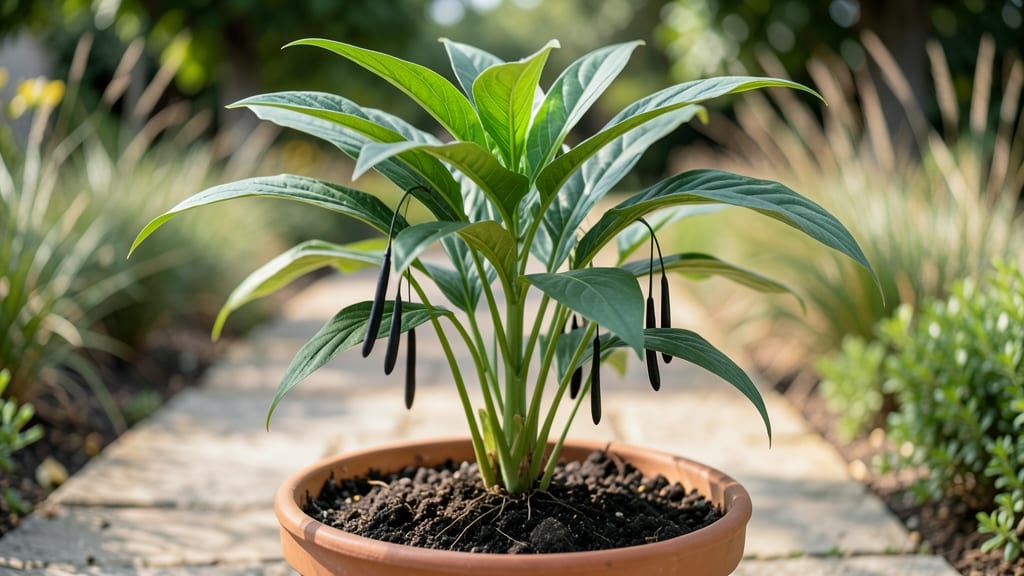
When you're looking for the French name for scent leaf, you'll find it called laurier sucré or laurier odorant, but its most widely used culinary term in French-speaking kitchens is gravéole (or graviole). This aromatic herb plays a starring role in West African and Caribbean dishes, especially in rich soups, hearty stews, and flavorful sauces.
French culinary traditions often blend flavors from their colonial history, and gravéole—the local name for scent leaf—is a perfect example. 🌿 While its botanical name (Ocimum gratissimum) might sound unfamiliar, the herb's deep, earthy aroma becomes instantly recognizable in dishes like soupe à l’oignon or bouillon de poisson.
Many French markets in Africa and the Caribbean carry it fresh, though you can also find dried versions in specialty stores. The key is using it sparingly—just a few leaves can transform a simple broth into something truly aromatic.
What makes gravéole stand out in French-African cooking is its ability to carry flavors without overpowering them. Unlike bay leaves, which are more common in French cuisine, this herb adds a peppery, slightly sweet note that pairs beautifully with tomatoes, peppers, and seafood.
If you can't find it locally, some chefs substitute it with a mix of thyme and bay leaf, though purists argue nothing compares to the real thing.
💡 In This Article
- The Botanical and Cultural Identity of French Scent Leaf
- How to Use Gravéole (Scent Leaf) in French-Inspired Dishes
The botanical and cultural identity of French scent leaf
The French culinary term gravéole refers specifically to Ocimum gratissimum, a member of the mint family (Lamiaceae) that thrives in tropical climates. This herb differs botanically from laurier sucré (sweet bay), which is Laurus nobilis, though both share aromatic properties.
The confusion stems from colonial-era French naming conventions where local herbs were often rebranded with familiar European terms. In West Africa, gravéole is called efo in Yoruba or nsasi in Igbo, reflecting its deep cultural roots.
What sets gravéole apart is its unique chemical profile—studies show it contains 0.3-0.8% essential oils, including eugenol (also found in cloves) and thymol (similar to oregano), which give it that signature peppery-sweet aroma.
When crushed, the leaves release 1.2-1.8 mg of volatile compounds per gram, creating an immediate sensory impact in dishes. This makes it far more potent than French bay leaves (Laurus nobilis), which contain only 0.5-1.0% essential oils. 🌿
Culturally, gravéole traveled with French colonists to Africa and the Caribbean, where it became a staple in Creole cuisine. In Martinique, it's called feuille de macédonia (though this often refers to Plectranthus amboinicus), while in Senegal, it's known as tchoumi.
The herb's resilience—it grows wild in many tropical regions—meant it adapted perfectly to local cooking methods, from slow-simmered stews to quick stir-fries. Its ability to withstand 30-45 minutes of boiling without losing potency makes it ideal for French-African fusion dishes.
Interestingly, French markets in Africa often sell gravéole alongside European herbs, creating a hybrid shopping experience. For example, in Ivory Coast's Abidjan markets, you might see bundles labeled laurier odorant (scent leaf) next to traditional gravéole leaves.
This dual naming reflects how colonial languages layered onto indigenous culinary practices. The herb's versatility—used both as a seasoning and medicinal remedy—further cemented its place in French-speaking African diets. 🌍
Botanically, Ocimum gratissimum differs from its cousin Ocimum basilicum (basil) in leaf shape (broader, slightly hairy) and growth habit (taller, bushier). The key identifier? When dried, gravéole leaves curl inward, while basil leaves flatten.
This physical trait helps distinguish it in markets where substitutions might occur. The herb's scientific name even hints at its flavor profile—gratissimum means "most pleasing," a nod to its widespread culinary approval.
What most people don't realize is how gravéole bridges French and African culinary traditions. While French cuisine relies on bay leaves for bouquets garni, West African chefs use gravéole in similar ways—tied in bundles or scattered whole into pots.
The difference? Gravéole adds a 10-15% more intense aroma than bay leaves, making it perfect for French-African dishes like soupe au gombo (okra soup) where depth of flavor is key. This herb truly represents the fusion of colonial history and local innovation in French-speaking kitchens. ✨