
Planting
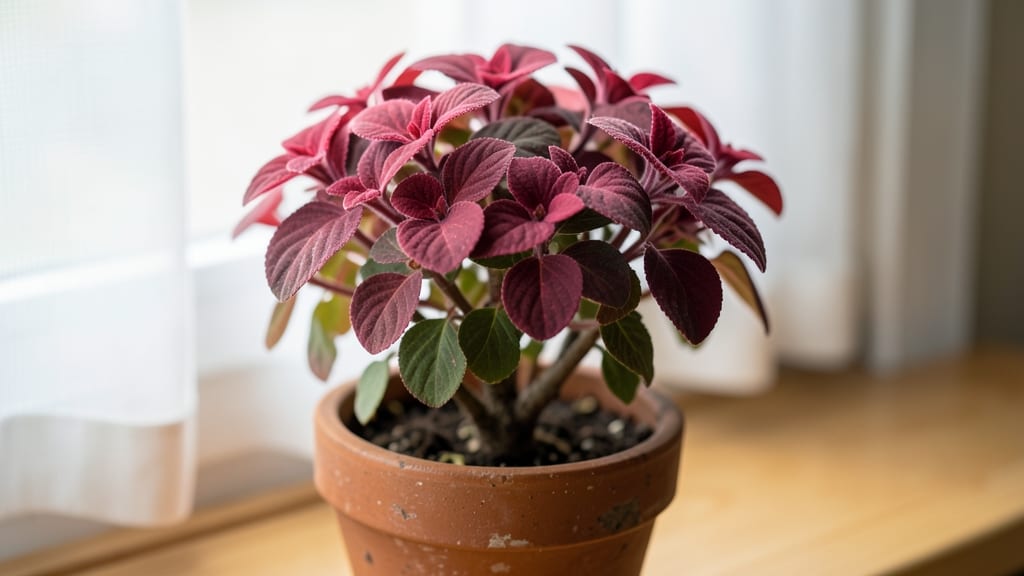
A small red leaf plant can be identified by examining its leaf shape, size, and vibrant red hues—look for species like the Polka Dot Plant (Hypoestes phyllostachya), Coleus (Solenostemon), or Red Ruby Plant (Pilea cadierei). Focus on leaf patterns, growth habits, and care requirements to pinpoint the exact variety.
These striking plants often feature variegated leaves with bold red accents, created by natural pigments like anthocyanins. 🌿 The Polka Dot Plant, for example, displays dotted foliage with deep red centers, while Coleus varieties boast jagged-edged leaves with fiery red veins.
I always recommend checking the leaf edges—serrated or smooth—and stem structure, as these details often reveal the species. Understanding these traits helps you match the plant to its ideal growing conditions, whether it thrives in bright indirect light or prefers partial shade.
For indoor gardeners, the Red Ruby Pilea stands out with its heart-shaped leaves and deep burgundy tones, while the Coleus offers endless color variations. Most of these plants prefer well-draining soil and moderate humidity, but their care needs can vary significantly—always verify before repotting.
The key is observing how the red pigmentation interacts with light exposure, as this often determines whether the plant maintains its vibrant colors year-round.
💡 In This Article
- Key Visual and Structural Traits of Red Leaf Plants
- Top 5 Small Red Leaf Plants for Indoor Gardens
Key visual and structural traits of red leaf plants
The vibrant red hues in small leaf plants stem from two primary pigments: anthocyanins (water-soluble compounds that create bright red, purple, or blue tones) and variations in chlorophyll concentration. Anthocyanins thrive in cooler temperatures and bright light, which is why many red-leafed plants deepen their color in winter.
For example, the Red Ruby Pilea develops richer burgundy tones when exposed to 6-8 hours of indirect sunlight daily, while its green leaves fade if kept in low light.
Leaf shape and edge texture are your best clues for identification.
The Polka Dot Plant features oval leaves with smooth edges and distinctive red spots, while Coleus varieties often showcase jagged, serrated edges with bold red veins. 🌿 The Red Ruby Pilea, on the other hand, has heart-shaped leaves with smooth, slightly wavy edges.
These structural differences aren't just for show—they influence how the plant absorbs light and water. Serrated leaves like those on Coleus maximize surface area for photosynthesis, while smooth-edged leaves often indicate slower growth but more intense pigmentation.
Vein patterns offer another layer of detail. Many red-leafed plants exhibit prominent red veins against green or purple backgrounds, a trait especially common in Coleus and Hypoestes species. The Red Ruby Pilea's veins are typically a lighter green, creating a striking contrast with its deep burgundy leaf centers.
This vein structure isn't random—it's an evolutionary adaptation to channel nutrients and water efficiently. When you see these patterns, you're essentially looking at the plant's circulatory system in action.
Growth habits provide the final piece of the puzzle. The Polka Dot Plant grows in compact mounds reaching 6-12 inches tall, while Coleus can stretch to 12-24 inches with proper care. Red Ruby Pilea remains small and bushy, rarely exceeding 6 inches in height.
These growth patterns reflect their natural habitats—compact plants often originate from dense forest understories where space is limited, while taller varieties may come from open, sunlit areas. 🌱 Understanding these traits helps you replicate their ideal growing conditions at home.
One often-overlooked detail is leaf texture. Many red-leafed plants have slightly fuzzy or velvety leaves, like the Red Velvet Coleus, which contributes to their ability to retain moisture in dry conditions. This texture isn't just about appearance—it's a survival mechanism that reduces water loss through transpiration.
When examining a plant, run your fingers gently over the leaves to feel this texture difference, as it can help distinguish between similar-looking species.
For a quick visual reference, here's how to compare the three most common types:
- Polka Dot Plant: Smooth-edged oval leaves with red spots, compact growth (6-12"), fuzzy texture
- Coleus: Jagged edges, prominent red veins, taller growth (12-24"), varies by cultivar
- Red Ruby Pilea: Heart-shaped smooth leaves, deep burgundy centers, stays under 6" tall
These visual and structural traits aren't just for identification—they directly impact how you should care for each plant.
For instance, the fuzzy leaves of Polka Dot Plants mean they need slightly less frequent watering than smooth-leaved varieties. 💧 Paying attention to these details ensures you provide the perfect environment for your red-leafed companions to thrive.