
Neem Oil
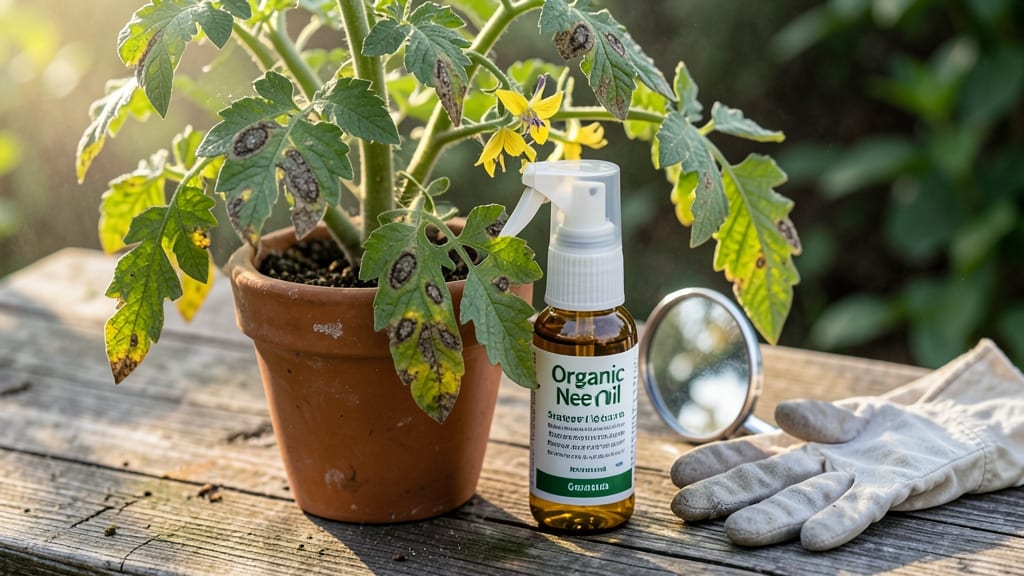
Neem oil spray stops septoria leaf spot dead in its tracks—fast and without harsh chemicals. 🌱 I’ve seen this stubborn fungal disease turn lush tomato leaves into Swiss cheese overnight, but neem oil’s natural compounds disrupt the fungus’s life cycle before it spreads.
The key is catching it early and applying the right concentration at the right time.
This treatment works because neem oil doesn’t just mask symptoms—it weakens the fungus’s ability to reproduce. You’ll need a 1% solution (1 tablespoon per quart of water) and a sprayer that covers undersides of leaves where spores hide.
Apply when leaves are dry, focusing on new growth where infections start. Most gardeners see visible improvement within 3-5 days of consistent treatment.
What you’ll get is plants that bounce back faster, with fewer unsightly brown spots and more energy for producing fruit. The spray also leaves a protective film that deters future infections, so your tomatoes, wheat, or other susceptible crops stay healthy longer.
Just don’t skip the preventive steps—like removing infected leaves and spacing plants properly—to keep this from becoming a recurring battle.
Works for home gardeners and small farms alike, though larger operations might need stronger organic alternatives. The beauty of neem is that it’s safe for edible plants when used correctly—just avoid spraying in direct sunlight to prevent leaf burn. Let’s get those leaves looking green again!
Understanding the Root Causes
Septoria leaf spot isn’t just a random fungal nuisance—it thrives because of specific conditions that create the perfect storm for infection. If you’ve ever watched your garden or crops develop those telltale greasy, brown spots with yellow halos, you’re likely dealing with Septoria lycopersici or similar pathogens.
Here’s why it happens—and how to break the cycle.
The primary culprit behind septoria leaf spot is the fungus Septoria, which spreads via airborne spores. These spores are everywhere—soil, water, wind, even on tools—but they need moisture to germinate and infect plants.
- Overhead watering: Splashing water from sprinklers or rain droplets can carry spores directly onto leaves, creating ideal conditions for infection. Think of it like a fungal delivery service—your watering wand is the courier.
- High humidity: Septoria spores germinate best in 80–90% humidity. If your garden stays damp for prolonged periods (especially at night), spores wake up and start feasting on your plants.
- Poor drainage: Waterlogged soil keeps leaves wet longer, giving the fungus extra time to colonize. Drainage issues = fungus party.
Actionable fix: Water at the base of plants in the morning (so leaves dry quickly) and improve soil drainage with organic matter like compost.
Healthy plants have natural defenses, but stress makes them vulnerable. Septoria leaf spot often strikes when plants are already struggling due to:
- Nutrient deficiencies: Low nitrogen or potassium weakens leaves, making them easier entry points for fungi. Yellowing or stunted growth? That’s an open invitation.
- Physical damage: Pruning wounds, insect bites, or hail can create openings for spores to invade. Every scratch is a potential infection site.
- Overcrowding: Poor air circulation traps moisture and spores between leaves. Tight spaces = fungal hot zones.
Actionable fix: Space plants for airflow, fertilize regularly, and prune carefully (sterilize tools with rubbing alcohol between cuts).
Septoria leaf spot doesn’t just appear—it explodes during specific weather patterns. The fungus thrives when:
| Condition | Why It Matters | Risk Level |
|---|---|---|
| Temperatures between 60–75°F (15–24°C) | Fungal growth slows below 50°F (10°C) but booms in this range. | ⚠️ High |
| Frequent rain or morning dew | Leaves stay wet for 12+ hours, giving spores time to infect. | ⚠️⚠️ Extreme |
| Sudden temperature swings | Stresses plants, lowering their resistance to pathogens. | ⚠️ Moderate |
Actionable fix: Monitor weather forecasts and adjust watering schedules. Use row covers during rainy periods to reduce leaf wetness.
Septoria spores can survive for years in dead plant material, soil, or even seed debris. If you’ve had infected plants before, the fungus is likely lurking in your garden, waiting for the right conditions to strike again.
- Infected leaves or stems: Left on the ground, they release spores back into the air.
- Contaminated soil: Spores can persist in the top 2 inches of soil, reinfecting new plants.
- Reused containers or tools: Unsterilized pots or pruners can transfer spores to healthy plants.
Actionable fix: Remove and destroy (don’t compost) infected plant debris. Sterilize tools with a 10% bleach solution or rubbing alcohol.
Now that you know why septoria leaf spot shows up, the next step is stopping it in its tracks—starting with neem oil’s fungal-fighting powers.
How to Fix Fungal Leaf Spots Fast
Septoria leaf spot doesn’t have to mean the end of your garden or crops—with the right approach, you can reverse the damage and protect future growth. The key is a mix of immediate action (to stop the spread) and long-term prevention (to keep it from returning).
Below, we break down solutions by cause, so you can target the problem like a pro—plus, we’ll share prevention tips to keep your plants thriving.
If you’ve spotted tan or grayish lesions with dark borders (classic Septoria symptoms), don’t wait. Fungal spores spread like wildfire in damp conditions, so act fast:
- 🍂 Snip and toss: Use clean pruners to remove infected leaves—don’t compost them! Place them in a sealed bag and trash them (not the yard waste bin, where spores can reinfect).
- 🌱 Prune strategically: Focus on lower leaves first (they’re closest to the soil, where spores lurk). Thin out crowded foliage to improve airflow—fungi love humidity.
- 🧼 Sterilize tools: Wipe pruners with 70% isopropyl alcohol or a 10% bleach solution (1 part bleach to 9 parts water) between cuts to avoid spreading spores.
Pro Tip: 💡 Morning is the best time to prune—leaves dry faster, reducing humidity that fuels fungal growth.
Neem oil is a powerhouse for Septoria leaf spot because it:
- ✅ Disrupts fungal spores (prevents germination)
- ✅ Boosts plant immunity (acts as a natural fungicide)
- ✅ Works systemically (absorbed into leaves)
Here’s how to use it effectively:
👨🍳 DIY Neem Oil Spray Recipe
You’ll need:
- 1 tbsp cold-pressed neem oil (organic, food-grade)
- 1 tsp horticultural oil (optional, improves adhesion)
- 1 tsp mild liquid soap (like Castile soap—not detergent)
- 1 quart (32 oz) water
- 🔥 Mix gently: Combine oil and soap in a glass or ceramic container (plastic can degrade). Stir slowly to avoid sudsing.
- 🌡️ Warm the solution: Heat water to 80–90°F (not boiling), then pour into the oil mixture. Stir again.
- 🍃 Apply at the right time: Spray early morning or late evening (avoid peak sun—neem can cause leaf burn). Cover both sides of leaves and stems.
- ⏰ Repeat weekly: Continue for 2–3 weeks or until new growth is healthy. For severe cases, spray every 5–7 days.
Pro Tip: 🌡️ Test on a small leaf first—some sensitive plants (like tomatoes) may react to neem. If you see browning, dilute the oil further (use ½ tbsp per quart).
Septoria thrives on weak, stressed plants. Give your garden a fighting chance with these preventive power moves:
🥗 Improve Airflow & Reduce Moisture
Fungi love damp, stagnant air. Break the cycle with:
- 🌿 Space plants properly: Follow spacing guidelines for your crops (e.g., tomatoes need 18–24" apart). Crowding = fungal paradise.
- 💨 Use fans or trellises: A small garden fan on low setting can reduce humidity around plants. Trellis vining plants (like cucumbers) to lift them off the ground.
- 🌧️ Water wisely: Avoid overhead watering—use drip irrigation or soaker hoses. Water at the base of plants in the morning so foliage dries by night.
💪 Strengthen Plant Immunity
Healthy plants resist infections better. Feed them right:
- 🍄 Feed with compost or worm castings: Microbes in compost compete with fungi for resources. Mix into soil before planting.
- 🌱 Use balanced fertilizer: Too much nitrogen = soft, weak growth. Switch to a 5-5-5 or 3-4-6 formula (NPK) for stronger stems.
- 🍎 Boost with foliar sprays: Mix 1 tbsp seaweed extract or kelp fertilizer in a gallon of water and spray leaves weekly for added resilience.
Once you’ve treated the current outbreak, break the fungal cycle for good:
🌡️ Soil & Tool Sanitation
Spores can hibernate in soil and tools for years. Kill them with:
- 🔥 Solarize soil: In hot climates, cover infected beds with clear plastic for 4–6 weeks. The sun will cook spores at temps over 104°F.
- 🧼 Clean garden tools: Soak pruners, shovels, and rakes in bleach water (1:9) for 10 minutes, then rinse and dry.
- 🚫 Rotate crops: Don’t plant susceptible crops (tomatoes, cucumbers, lettuce) in the same spot for 3–4 years.
🌱 Choose Resistant Varieties
Some plants are naturally tougher against Septoria. Swap vulnerable varieties for:
- Tomatoes: ‘Mountain Merit,’ ‘Defiant,’ or ‘Celebrity’ (resistant to Septoria)
- Cucumbers: ‘Straight Eight’ or ‘Lemon’ (less prone to leaf spot)
- Lettuce: ‘Romaine’ or ‘Buttercrunch’ (better tolerance)
Final Pro Tip: ✨ Monitor humidity with a hygrometer—keep it below 70% in your garden. A dehumidifier in greenhouses can make a huge difference!
Frequently asked questions
How soon will I see results after using neem oil on septoria leaf spot?
With consistent treatment, most gardeners notice visible improvement within 3-5 days. The neem oil disrupts fungal spores quickly, but severe infections may take 2-3 weeks of weekly applications to fully clear. Always spray both leaf surfaces and stems for best results.
Can I use neem oil on all plants with septoria leaf spot?
Neem oil works on most plants, but some sensitive varieties like citrus or avocado may react poorly. Always test a small leaf area first. For tomatoes, start with ½ tablespoon per quart of water if you notice any leaf browning after the first application.
Why does my septoria keep coming back even after treatment?
Persistent infections usually mean spores remain in your soil or tools. Always remove infected leaves (don't compost them) and sterilize tools with 10% bleach solution. Rotate crops and improve airflow between plants to break the fungal cycle.
Is neem oil safe to use before harvesting edible plants?
Yes, when used correctly! Wait 24 hours after spraying before harvesting edible leaves or fruits. Neem oil breaks down quickly in sunlight, leaving no harmful residues. Always follow the 1% concentration (1 tbsp per quart) for food crops.
What's the best time of day to apply neem oil spray?
Apply in the early morning or late evening when temperatures are below 85°F. This prevents leaf burn from sunlight and allows the spray to dry properly. Avoid spraying when dew is present, as moisture can reduce effectiveness.