
Pests and Diseases
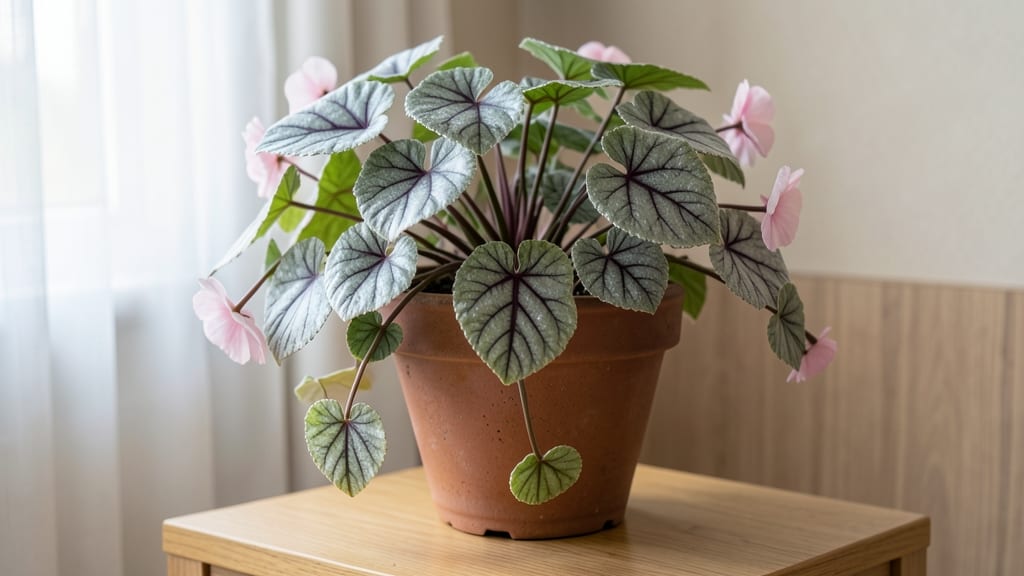
Silver leaf begonia's stunning silver-marked foliage deserves a thriving home—so let’s fix those yellowing leaves fast. 💚 I’ve nursed back more than my share of struggling plants, and this one’s no exception. The secret lies in matching its tropical roots with the right light, humidity, and care routine.
These beauties crave bright, indirect light—think east-facing windows or dappled shade outdoors—and 60-70% humidity to keep their leaves crisp. Overwatering is the #1 killer, so let the top inch of soil dry before watering again. A peaty, well-draining mix keeps roots happy without soggy roots.
Revitalized plants will reward you with glossy, silver-splashed leaves that cascade elegantly from hanging baskets or brighten shaded corners. Prune leggy stems to encourage bushier growth, and propagate cuttings for free new plants—just dip in rooting hormone and watch them take!
Perfect for indoor gardeners, shaded patios, or even as a houseplant that thrives year-round. With these tweaks, your silver leaf begonia will bounce back in weeks—not just survive, but shine.
📚 In This Guide
- What you need
- Instructions
- Tips and common mistakes
- Wrapping up and next steps
What you need
- ● Silver leaf begonia plant – A healthy or struggling specimen (1-3 plants, depending on your setup).
- ● Pruning shears or clean scissors – Sterilized with rubbing alcohol (70% or higher) to prevent disease spread.
- ● Well-draining potting mix – A blend of peat moss, perlite, and orchid bark (or a pre-mixed begonia mix). Quantity: Enough to refresh 1/3 of the pot.
- ● Watering can with a rose attachment – For gentle, bottom-watering (avoids leaf burn).
- ● Neem oil (100% pure) or insecticidal soap – 1 tsp per quart of water for pest control (if needed).
- ● Spray bottle – For misting leaves (especially in dry climates).
- ● Houseplant fertilizer (balanced 10-10-10 or liquid seaweed) – Diluted to half-strength for feeding.
- ● Humidity tray or pebble tray – To maintain 50-60% humidity (critical for silver leaf begonias!).
- ● Grow lights (LED or fluorescent) – If natural light is <10 hours/day (12-14 hours of light ideal).
- ● Fungicide (copper-based or sulfur-free) – For stubborn fungal issues (follow label instructions).
- ● Glove and dust mask – For heavy pruning or repotting (safety first!).
Step-by-Step guide to reviving silver leaf begonias
Here's how I nurse yellowing begonias back to their silvery-blue glory—no fancy tools needed.
🌿 Step 1: Assess the Problem and Trim Damaged Leaves
Start by examining each leaf closely. Yellowing often signals overwatering, but sometimes it's just natural aging. Gently pinch off or snip any leaves that are more than 30% yellow using clean, sharp scissors. I always sterilize my tools with rubbing alcohol first—begonias are prone to fungal infections through cuts.
Focus on leaves with crispy edges or those that fall off with light pressure. These won't recover. Healthy leaves should feel firm with a slight bounce when pressed. Remove only the damaged portions if the leaf is mostly green—this preserves the plant's energy for new growth.
💧 Step 2: Adjust Watering Practices Immediately
Silver leaf begonias hate soggy roots. Water only when the top 1-2 inches of soil feel completely dry—stick your finger in to check. I use a moisture meter for my collection, but even without one, the soil should look dry and pull away from the pot edges slightly.
When watering, aim for the soil surface and stop when water begins draining from the bottom. Empty the saucer after 10 minutes—never let begonias sit in standing water. If your plant is in a decorative pot without drainage, repot it immediately into one with holes.
☀️ Step 3: Optimize Light Exposure for Recovery
Yellowing often signals light stress too. Place your begonia in bright, indirect light—east or west-facing windows work best. If your home has only south light, move it 3 feet back from the window to prevent leaf scorch. You'll know it's getting too much sun when leaves develop brown patches.
Rotate the pot quarter turn weekly so all sides get even light exposure. Avoid fluorescent lighting—it lacks the blue spectrum begonias need. If leaves stretch toward the light (called etiolation), your plant needs more brightness, not less.
🌱 Step 4: Apply Foliar Care for Faster Recovery
Mist the leaves lightly with room-temperature water twice daily using a spray bottle with a fine mist setting. This mimics humidity levels of their native tropical environment. I avoid wetting the leaves in the evening to prevent fungal issues—always mist in the morning so foliage dries quickly.
Once weekly, wipe leaves with a damp cloth to remove dust and improve photosynthesis. For stubborn yellowing, I make a weak foliar feed with ¼ strength balanced liquid fertilizer (like 10-10-10) applied every 4 weeks during active growth. Never fertilize yellow leaves—they won't absorb nutrients properly.
✂️ Step 5: Encourage New Growth Through Pruning
When you see 2-3 inches of new green growth on stems, it's time to prune. Cut back leggy stems just above a leaf node where new leaves will emerge. This redirects energy to stronger growth. I always use clean pruners and make cuts at a 45-degree angle to prevent water pooling.
For severely yellowed plants, you can propagate healthy cuttings. Place stems in water with just the nodes submerged, and root in 2-3 weeks. The mother plant may take 6-8 weeks to fully recover, but you'll see new silver-blue leaves emerging within 3-4 weeks of proper care.
Tips & tricks for reviving silver leaf begonias
Here's what nobody tells you about bringing your silver leaf begonia back from the brink—these are the details that make all the difference between a temporary fix and a fully revitalized plant.
Diagnosis Precision: In Step 1, when assessing leaves, look for the subtle difference between overwatering yellow (soft, limp leaves) and natural aging (dry, crispy edges). If the yellowing appears first on older leaves while newer ones stay vibrant, it's likely just aging—no intervention needed beyond normal care. But if younger leaves yellow too, that's your sign to adjust watering immediately.
Watering Technique: The 10-minute drainage rule in Step 2 is non-negotiable—this prevents root rot while ensuring the plant gets proper hydration. I've found that using a terra cotta pot (which wicks moisture) can help regulate moisture better than plastic, especially in humid climates. For visual confirmation, press your finger into the soil: if it springs back slowly, it's still too moist.
Light Optimization: When adjusting light in Step 3, pay attention to the angle of your windows. South-facing windows can deliver intense light even on cloudy days—move your plant back 3 feet if you notice leaves developing crispy brown edges. For indoor growers without ideal windows, a simple LED grow light (with blue spectrum) for 12 hours daily can work wonders for recovery.
Pruning Strategy: In Step 5, when pruning for new growth, focus on cutting just above a leaf node where you see a tiny bump forming—that's where new leaves will emerge. I've had success using a clean razor blade for precise cuts, especially on delicate stems. The 45-degree angle isn't just aesthetic—it increases surface area for faster healing and prevents water pooling at the cut site.
Pro Tips for Silver Leaf Begonia
- Here's what nobody tells you about bringing your silver leaf begonia back from the brink—these are the details that make all the difference between a temporary fix and a fully revitalized plant.
- Diagnosis Precision: In Step 1, when assessing leaves, look for the subtle difference between overwatering yellow (soft, limp leaves) and natural aging (dry, crispy edges).
- Watering Technique: The 10-minute drainage rule in Step 2 is non-negotiable—this prevents root rot while ensuring the plant gets proper hydration.
Frequently asked questions
Why are my Silver Leaf Begonia leaves turning yellow?
Yellowing leaves are usually a sign of overwatering or poor drainage. Begonias hate soggy roots! Let the top 1–2 inches of soil dry out between waterings, and ensure your pot has drainage holes. If the yellowing is paired with brown edges, it could also mean fluoride buildup from tap water—try using distilled or rainwater instead.
Can Silver Leaf Begonias survive winter indoors?
These plants thrive indoors year-round, but they’re sensitive to cold drafts and low humidity. Keep them in a spot with 60–75°F temperatures (away from AC vents or windowsills in winter). A humidifier or pebble tray with water can mimic their tropical habitat and prevent crispy edges.
How do I treat pests like spider mites or aphids?
Start with a gentle spray of neem oil (mix 1 tsp with 1 quart of water) or insecticidal soap to knock pests off. For stubborn infestations, wipe leaves with a damp cloth dipped in rubbing alcohol (70% isopropyl). Isolate the plant to prevent spreading, and check the undersides of leaves—pests love to hide there!
Do Silver Leaf Begonias need direct sunlight?
Nope! These beauties prefer bright, indirect light—think east-facing windows or a few feet from a south-facing one. Too much direct sun (especially afternoon rays) can scorch their delicate leaves. If they’re stretching toward the light (etiolation), rotate the pot weekly for even growth.
What’s a good alternative if my Silver Leaf Begonia keeps dying?
If you’re struggling with care, try these low-maintenance alternatives: Rex Begonia (hardier, colorful leaves), Wax Begonia (drought-tolerant), or Peperomia (thrives in low light). All three are forgiving for beginners but still pack serious visual appeal!
Wrapping up and next steps
Revitalizing your silver leaf begonia doesn’t have to be a challenge—just a few simple steps can bring back its lush, vibrant leaves in no time! 🌿 Whether it’s adjusting humidity, treating fungal infections, or tweaking light exposure, you now have the tools to nurse your plant back to health. Don’t wait—try these fixes today!
Ready to see your begonia thrive? Start with one solution (like pruning or neem oil spray) and monitor progress over the next few days. Happy gardening—your plant’s comeback is just around the corner! 🌱