
Shrubs
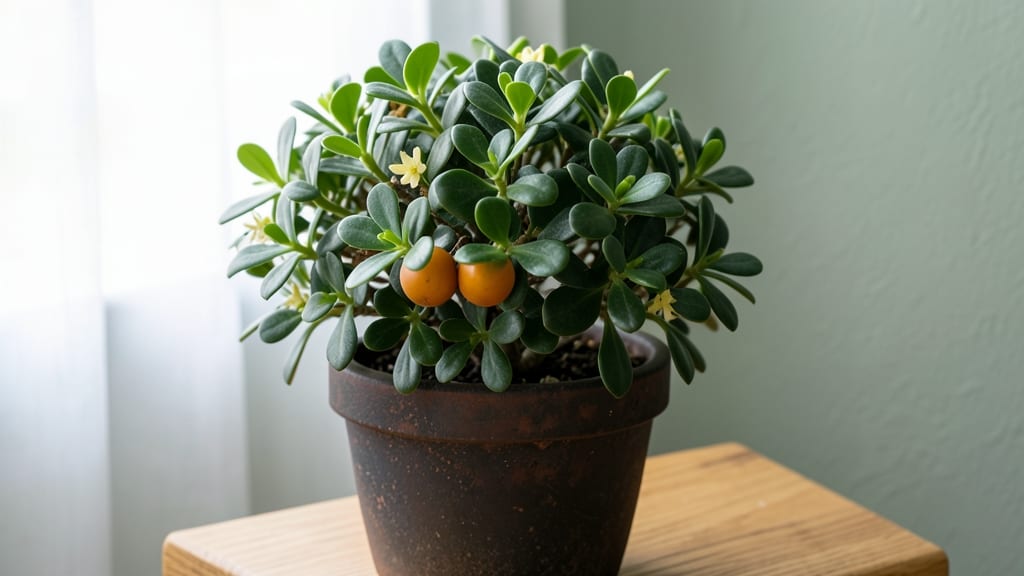
Growing small leaf clusia transforms any space into a tropical escape—its glossy, leathery leaves stay vibrant all year, even when other plants struggle. 🌿 I’ve nurtured mine through droughts and indoor winters, and it’s become my go-to for low-maintenance greenery that thrives in containers.
This plant is a survivor: drought-tolerant once established, happy in bright indirect light or filtered sun, and content with infrequent watering. The key is well-draining soil—think cactus mix with perlite—and a pot with drainage holes to prevent root rot.
Overwatering is the only real enemy, but even then, it bounces back. You’ll love how it fills out over time, creating a lush, bushy silhouette that’s perfect for tables, shelves, or hanging baskets. The leaves develop a reddish tint in bright light, adding unexpected drama to its evergreen appeal.
Works indoors near windows or outdoors in warm climates (zones 10-12). Here’s how to keep it thriving—no green thumb required.
📚 In This Guide
- What you need
- Instructions
- Tips and common mistakes
- Wrapping up and next steps
What you need
- ● Small leaf Clusia plant: 1 healthy specimen (3–6 inches tall, potted or bare-root). Look for vibrant green leaves and no signs of pests.
- ● Well-draining potting mix: 1 bag (5–10 quarts) of a blend designed for tropical or acid-loving plants (e.g., 50% peat moss, 30% perlite, 20% pine bark).
- ● Container: 1–2 pots (6–12 inches in diameter) with drainage holes. Terracotta or ceramic works best for airflow.
- ● Gravel or orchid bark: 1 small bag (for drainage layer, ~1–2 inches thick).
- ● Slow-release fertilizer: 1 packet (e.g., Osmocote or a 14-14-14 blend for acid-loving plants).
- ○ Gloves: 1 pair (optional but recommended for handling soil and sharp tools).
- ● Trowel or small shovel: 1 (for repotting and mixing soil).
- ● Spray bottle: 1 (for misting leaves during acclimation).
- ○ pH testing kit (optional): To ensure soil pH stays between 5.5–6.5 (acidic range).
- ○ Humidity tray or pebble tray (optional): For maintaining 60–80% humidity, especially in dry climates.
- ● Bright, indirect light source: A south- or east-facing window or grow lights (12–14 hours/day for optimal growth).
How to grow small leaf clusia in containers
This glossy evergreen thrives in pots and brings tropical drama to any space—here's how to keep it lush year-round.
🪴 Step 1: Select the Right Container and Drainage
Small leaf clusia needs a container with drainage holes—this plant hates soggy roots. I use 6-8 inch pots with at least three holes spaced evenly around the bottom. Terra cotta works best because it breathes and helps prevent root rot, especially in humid conditions. If your pot has no holes, drill them yourself—just make sure they're large enough to let water escape freely.
Line the bottom with 1-2 inches of perlite or orchid bark mix to create an air pocket. This extra layer prevents water from pooling against the roots while still allowing drainage. The reason I do this is that clusia roots are sensitive to both drought and waterlogging, and this simple step creates the perfect balance.
☀️ Step 2: Prepare Well-Draining Soil Mix
Use a blend of 50% premium potting mix and 50% perlite or coarse sand. Small leaf clusia comes from tropical forests where the soil never stays wet, so mimicking that environment is key. I avoid garden soil entirely—it compacts too easily and holds moisture for too long, which leads to root problems.
Fill the pot to about 1 inch below the rim, then tap gently to settle the mix without compacting it. The soil should feel light and airy, almost like a sponge that can drain quickly. Press down just enough to create a stable base for the plant, but don't pack it tightly—this plant's roots need room to breathe.
🌱 Step 3: Plant and Position for Bright, Indirect Light
Remove the clusia from its nursery pot and gently loosen the roots if they're circling. Place it in the center of your prepared container and backfill with the soil mix, pressing lightly around the edges to eliminate air pockets. Water thoroughly until water runs out the drainage holes, then let it drain completely before placing it in its permanent spot.
Small leaf clusia loves bright, indirect light—think east or west-facing windows, or a few feet back from a south window. Direct sun will scorch its glossy leaves, while too little light causes the foliage to lose its vibrant color. You'll know you've got the light right when the leaves stay deep green and the plant grows steadily without stretching toward the light.
💧 Step 4: Water and Maintain Humidity
Water when the top 1-2 inches of soil feel dry to the touch. I use the finger test—stick my index finger into the soil and if it comes out clean, it's time to water. When watering, soak the soil until water runs out the drainage holes, then empty the saucer to prevent the roots from sitting in water. This plant prefers to dry out slightly between waterings rather than stay consistently moist.
Mist the leaves occasionally to maintain humidity, especially in dry indoor environments. I place my clusia on a tray filled with pebbles and water to create extra humidity around the plant. The glossy leaves will thank you by staying vibrant and free from brown tips, which are a sign of low humidity or underwatering.
✂️ Step 5: Prune and Fertilize for Year-Round Growth
Prune leggy growth in early spring to encourage bushier, more compact growth. Simply snip back the longest stems just above a set of leaves using clean, sharp pruners. This isn't just about aesthetics—it also stimulates new growth and keeps the plant from becoming top-heavy. I always prune after the plant has had a good drink of water, which makes the stems firmer and easier to handle.
Feed with a balanced liquid fertilizer (10-10-10) diluted to half strength every 4-6 weeks during spring and summer. In fall and winter, cut back to once every 8-10 weeks—this plant grows slower in cooler months, and too much fertilizer can burn its sensitive roots. You'll see the difference in leaf color and growth rate within a few feedings if you've got the timing right.
Tips & tricks for perfect small leaf clusia care
Here's what nobody tells you about keeping your clusia thriving—these are the details that make all the difference between a struggling plant and one that stays lush year after year.
Container Material Matters: While terra cotta is ideal, plastic pots work too if you're in a cooler climate. The key is to avoid metal containers—they can heat up too much and stress the roots. If you choose plastic, make sure it has those drainage holes and consider upgrading to terra cotta once your clusia outgrows its current home. I've seen clusias double in size within a year when given the right container!
Soil Mix Secrets: The 50/50 blend of premium potting mix and perlite is non-negotiable, but here's the pro move: add a handful of worm castings to that mix. This boosts nutrients without risking over-fertilization. The worm castings also improve soil structure, helping that mix stay light and airy. I mix in about 1/4 cup per pot—just enough to give it that extra oomph without compacting the soil.
Light Positioning Hack: Your east or west window is perfect, but if you only have south-facing light, place the plant at least 3 feet back from the window. I've seen clusias develop sunburn spots when too close to south windows—those glossy leaves will show you the damage with crispy brown edges. Rotate your plant every few weeks so all sides get even light exposure, which prevents lopsided growth.
Humidity Boost Without the Mist: While misting helps, it's messy and can promote fungal issues if overdone. Instead, place your pot on a humidity tray with pebbles and water—just make sure the pot isn't sitting directly in the water. I use a shallow tray filled with pebbles and add water up to the pebble level. The evaporation creates perfect humidity without wetting the leaves. This method keeps my clusia's leaves vibrant for months without the daily misting routine.
Pro Tips for Small Leaf Clusia
- Here's what nobody tells you about keeping your clusia thriving—these are the details that make all the difference between a struggling plant and one that stays lush year after year.
- Container Material Matters: While terra cotta is ideal, plastic pots work too if you're in a cooler climate.
- Soil Mix Secrets: The 50/50 blend of premium potting mix and perlite is non-negotiable, but here's the pro move: add a handful of worm castings to that mix.
Frequently asked questions
How often should I water my Small Leaf Clusia in containers?
Water your Small Leaf Clusia when the top 1–2 inches of soil feel dry. Containers dry out faster, so check weekly (or daily in extreme heat). Overwatering is the #1 killer—ensure pots have drainage holes and avoid soggy soil. Pro tip: Stick your finger in the soil for the best gauge!
Can Small Leaf Clusia survive winter indoors?
Yes! This tropical beauty thrives indoors year-round. Keep it near bright, indirect light (like an east or south-facing window) and maintain temps above 55°F (13°C). Avoid drafts, and mist leaves occasionally if humidity drops below 40%. Bonus: A pebble tray under the pot adds moisture without overwatering.
Why are the leaves turning yellow or dropping?
Yellow leaves usually signal overwatering or poor drainage. Let the soil dry slightly between waterings, and repot if roots are circling. Dropping leaves can also mean low light—move it closer to a window. Troubleshoot: Check for pests (like spider mites) on the undersides of leaves.
Is Small Leaf Clusia toxic to pets or kids?
Good news! This plant is non-toxic to cats, dogs, and humans. However, always monitor pets chewing on leaves—while not poisonous, it’s not a snack. Safe for homes with curious kiddos or furry friends!
What’s the best alternative if I can’t find Small Leaf Clusia?
Try these low-maintenance, evergreen container shrubs:
- Ficus microcarpa (Ginseng Ficus)—hardy and pet-safe.
- Schefflera arboricola (Umbrella Plant)—glossy and adaptable.
- Dracaena marginata (Dragon Tree)—drought-tolerant and dramatic.
Wrapping up and next steps
The small leaf Clusia is a stunning, low-maintenance evergreen that brings year-round drama to containers with its glossy foliage and vibrant blooms. Whether you're a seasoned gardener or just starting out, this resilient shrub offers beauty with minimal fuss—perfect for adding tropical flair to patios, balconies, or indoor spaces. 🌿
Ready to transform your space? Start by gathering your supplies, then plant with confidence—your small leaf Clusia will reward you with lush, vibrant growth and a touch of the tropics, no matter the season! 🌟
- Next step: Pick your container, prep your soil, and get growing!
- Pro tip: Share your progress with fellow plant lovers—inspiration spreads faster together! 🌱