
Pests and Diseases
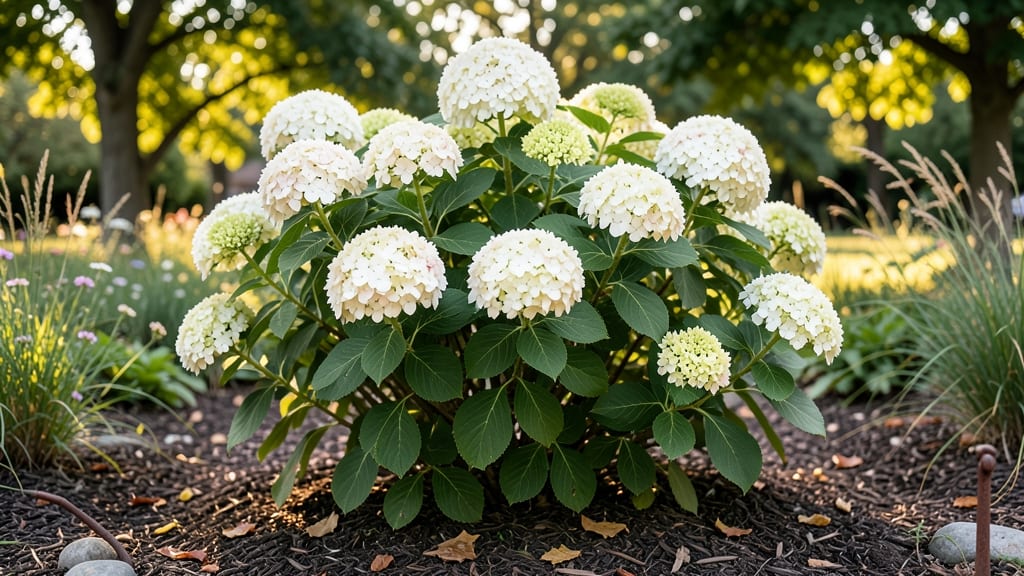
Growing smooth leaf hydrangea means year-round greenery with almost no pruning fuss. 🌿 I’ve had ‘Annabelle’ bushes in my yard for five years, and they’ve never needed more than a quick trim—yet they’ve outlasted every other hydrangea I’ve tried.
The secret lies in understanding their natural growth patterns and a few simple care habits. These plants thrive in partial shade, making them perfect for spots where sunburned leaves would otherwise be a problem. They’re also drought-tolerant once established, though they’ll reward consistent watering with bigger blooms.
The key is well-draining soil—amend clay with compost if needed—and a little patience while they root. By late summer, you’ll see those iconic white flower heads (or pink if you choose a different variety) that last for weeks.
Even after they fade, the stems add winter interest, and the foliage stays lush until frost. It’s the kind of plant that makes neighbors ask, “What’s your secret?” For those worried about pests, smooth leaf hydrangeas are deer-resistant and rarely bothered by insects.
Just watch for powdery mildew in humid summers—spraying with neem oil early prevents most issues. Let’s get yours growing!
📚 In This Guide
- What you need
- Instructions
- Tips and common mistakes
- Wrapping up and next steps
What you need
- ● Smooth leaf hydrangea plant: Choose a healthy nursery-grown specimen (bare-root or potted) in USDA Zones 4-9.
- ● Well-draining soil: Mix 2 parts garden soil, 1 part compost, and 1 part perlite (or potting mix for containers). pH 5.2–6.5 is ideal for vibrant blooms!
- ● Organic mulch: 2–3 inches of shredded bark, pine needles, or wood chips to retain moisture and deter weeds.
- ● Slow-release fertilizer: A balanced 10-10-10 or acid-loving plant formula (apply in early spring).
- ● Pruning shears: Bypass shears (sharp, clean, and disinfected with rubbing alcohol after use).
- ● Neem oil: 1–2 tbsp per gallon of water (spray weekly for aphids, spider mites, or powdery mildew).
- ● Copper fungicide: 1 tbsp per gallon (prevents leaf spot or botrytis blight; apply at first sign of fungus).
- ● Horticultural oil: 1% concentration (for stubborn pests like scale or whitefly).
- ● Garden hose with nozzle: For gentle rinsing to dislodge pests (early morning or evening).
- ● Soil pH test kit: Adjust acidity with sulfur or lime if needed.
- ● Container with drainage holes: If planting in pots (15–20 gallons for mature plants).
- ● Spray bottle: For targeted neem oil or fungicide applications.
- ● Garden gloves: Nitrile-coated for protection when handling pests or pruning.
Step-by-Step guide to planting and maintaining smooth leaf hydrangeas
Here's how to establish your hydrangeas for vibrant blooms with minimal fuss.
🌱 Step 1: Choose the Perfect Planting Location
Smooth leaf hydrangeas thrive in partial shade—think morning sun with afternoon shade or dappled light under trees. A spot with 4-6 hours of sunlight daily works best, but avoid harsh afternoon rays that can scorch leaves. I always test locations by observing how sunlight moves across the yard at different times of day.
Dig a hole twice as wide as the root ball but only as deep as the container's root base. The plant's crown (where roots meet stem) should sit just above soil level—burying it too deep suffocates roots. Loosen the edges of the root ball gently before placing it in the hole to encourage outward growth.
☀️ Step 2: Prepare the Soil for Optimal Growth
These hydrangeas love rich, well-draining soil with a slightly acidic pH (5.5-6.5) for blue blooms or neutral to slightly alkaline (6.5-7.5) for pink. I mix 3 parts native soil with 1 part compost and 1 part perlite to improve drainage. Avoid heavy clay—it causes root rot.
Spread 2-3 inches of organic mulch (like shredded bark) around the base, keeping it 3 inches away from the stem. This conserves moisture and regulates soil temperature. Water deeply right after planting to settle the soil around roots—you'll know it's right when water drains evenly without pooling.
💧 Step 3: Water Consistently for Established Roots
Newly planted hydrangeas need 1-1.5 inches of water weekly—more in extreme heat. I water deeply 2-3 times per week instead of daily shallow watering. Check soil moisture by sticking your finger 2 inches down—if it feels dry, it's time to water.
Yellowing leaves often signal overwatering, while crispy edges mean underwatering. Aim for even moisture—hydrangeas hate soggy roots but also can't tolerate drought stress. After 4-6 weeks, roots should establish enough to handle normal rainfall patterns.
✂️ Step 4: Prune for Health and Shape (Minimal Effort Style)
Smooth leaf hydrangeas bloom on old wood, so prune right after flowering (late summer) to shape without sacrificing blooms. Remove dead or crossing branches first—these compete for nutrients. Then, trim back overly long stems to maintain a natural shape, cutting just above a leaf node.
For rejuvenation, you can prune one-third of oldest stems to the ground in early spring. I do this every 3-4 years to encourage fresh growth. Never prune into bare wood—always leave 2-3 buds to stimulate new shoots.
🌿 Step 5: Feed and Protect for Year-Round Beauty
Apply a balanced 10-10-10 fertilizer in early spring when new growth appears, then again after flowering. I use half-strength to avoid burning roots. For blue blooms, add aluminum sulfate (1 tablespoon per gallon of water) every 4-6 weeks during growing season.
Watch for aphids or powdery mildew—common issues with hydrangeas. Spray with neem oil for pests or baking soda solution (1 tsp baking soda + 1 quart water) for mildew. Prune affected leaves immediately to prevent spread. With proper care, your hydrangeas will reward you with lush foliage and stunning blooms year after year.
Tips & tricks for perfect smooth leaf hydrangea care
These simple strategies will help you keep your hydrangeas thriving with minimal effort—and avoid the most common pitfalls.
Location Scout: Before planting, observe your yard's sunlight patterns for at least a week. Note which spots get morning sun with afternoon shade—this is ideal for smooth leaf hydrangeas. I've planted in full sun by mistake, and while they survived, the leaves turned crispy by midsummer. The 4-6 hours of sunlight mentioned in Step 1 should be gentle morning rays, not harsh afternoon heat.
Soil Prep Secret: For that perfect soil mix of 3 parts native soil, 1 part compost, and 1 part perlite, I like to add a handful of coffee grounds to the compost pile before mixing. The acidity helps create that slightly acidic pH (5.5-6.5) needed for blue blooms. If your soil is naturally alkaline, you can add sulfur granules (about 1 pound per 100 square feet) a few weeks before planting to adjust the pH gradually.
Watering Wisdom: The 2-inch soil moisture check in Step 3 is your best friend. I've learned that watering deeply 2-3 times a week is better than daily light watering because it encourages roots to grow deeper. For containers, I use the "soak and dry" method—water until it drains from the bottom, then let the top inch dry out before watering again. This mimics natural rainfall patterns better than constant moisture.
Pruning Precision: When doing your late-summer pruning after flowering, I mark the spots where I'll cut with a piece of masking tape before making the actual cut. This helps me visualize the shape and ensures I'm cutting just above a leaf node. For rejuvenation pruning in early spring, I always remove the oldest stems first—they're usually the ones with the least flowers anyway. The 2-3 buds you leave behind will stimulate new growth from the base.
Pro Tips for Smooth Leaf Hydrangea
- These simple strategies will help you keep your hydrangeas thriving with minimal effort—and avoid the most common pitfalls.
- Location Scout: Before planting, observe your yard's sunlight patterns for at least a week.
- Soil Prep Secret: For that perfect soil mix of 3 parts native soil, 1 part compost, and 1 part perlite, I like to add a handful of coffee grounds to the compost pile before mixing.
Frequently asked questions
Got questions about keeping your smooth leaf hydrangea thriving? You’re not alone! Here are answers to the most common concerns—from pruning puzzles to pest problems—so you can enjoy that lush, low-maintenance foliage all year.
When is the best time to prune smooth leaf hydrangeas?
Prune Hydrangea arborescens (like ‘Annabelle’ or ‘Incrediball’) in late winter or early spring, before new growth starts. Avoid pruning in fall—it can stimulate tender shoots that won’t survive winter. For shape, trim back 1/3 of the stems to encourage bushier growth. Pro tip: Deadhead spent blooms in summer to redirect energy to next year’s flowers!
How do I prevent or treat powdery mildew on my hydrangea?
Powdery mildew (white, powdery spots) thrives in humid, shaded conditions. Improve airflow by spacing plants 3–4 feet apart and avoid overhead watering. For treatment, spray with a neem oil solution (1 tbsp per quart of water) or a fungicide like copper fungicide. Prevent it: Water early in the day and prune for sunlight exposure.
Are smooth leaf hydrangeas cold-hardy? What zones do they tolerate?
Yes! These hydrangeas are highly cold-hardy, thriving in USDA Zones 3–9. They handle winter well, but young plants may need mulch (2–3 inches) to protect roots in Zone 3. Established plants rarely need winter care—just avoid pruning too late in the season to prevent frost damage to new growth.
Can I grow smooth leaf hydrangeas in containers? What’s the best soil mix?
Use a large container (15+ gallons) with drainage holes and a mix of 50% potting soil, 30% perlite, and 20% compost. These hydrangeas love moist, well-draining soil—water when the top inch feels dry. Move containers to partial shade in hot climates to prevent leaf scorch. Bonus: Container plants bloom earlier than ground-planted ones!
Why aren’t my smooth leaf hydrangeas blooming?
Unlike mophead hydrangeas, smooth leaf varieties bloom on new wood, so over-pruning can reduce flowers. Ensure they get 6+ hours of sunlight (partial shade is ideal) and consistent moisture. Fertilize lightly in spring with a balanced 10-10-10 or acidic fertilizer (like for azaleas). If blooms are sparse, check for nutrient deficiencies (yellow leaves = nitrogen; brown edges = potassium).
What’s a good alternative if I want a hydrangea with even less maintenance?
If smooth leaf hydrangeas still feel like too much work, try ‘Endless Summer’ hydrangeas (macrophylla hybrids) or panicle hydrangeas (like ‘Limelight’). Both rebloom on old and new wood, need minimal pruning, and tolerate more sun and drought than smooth leaf varieties. For zero-prune options, consider ‘Little Lime’ (panicle) or ‘Dart’s Little Dorrit’ (oakleaf).
Wrapping up and next steps
Caring for your smooth leaf hydrangea doesn’t have to be a chore—with the right knowledge, you can enjoy its stunning blooms and lush foliage year-round with minimal effort! 🌿 From understanding its pruning needs to tackling common pests and diseases, you’re now equipped to keep your plant thriving.
Remember, consistency is key, but even small steps make a big difference.
Ready to put your new skills into action? Start by inspecting your hydrangea this weekend—check for early signs of stress, pests, or disease, and give it the TLC it deserves. Happy gardening!