
Aphids
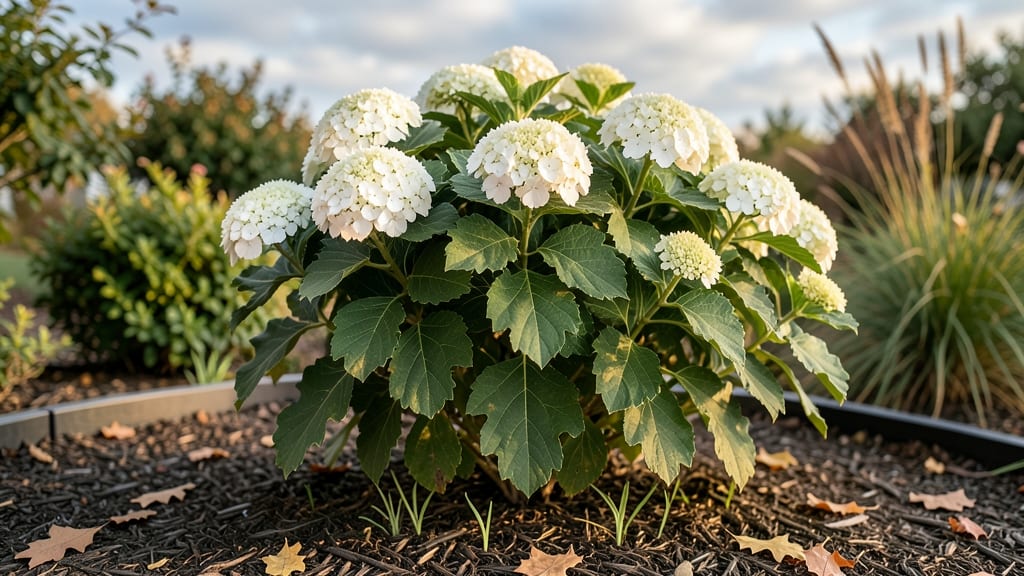
The Snowflake Oakleaf Hydrangea thrives where others struggle—its oak-shaped leaves and lacecap blooms demand little care while resisting aphids like a fortress. 🌿 I’ve grown this beauty for years, and its disease-resistant nature makes it the star of my shade garden, even in humid summers.
This hydrangea loves morning sun and afternoon shade, with soil that drains well but stays moist—think rich, slightly acidic loam. Prune in late winter to shape it, but leave last year’s stems for those stunning fall foliage colors that turn burgundy and gold.
Water consistently, especially in its first year, to help roots establish before the heat sets in. By midsummer, you’ll see clusters of delicate white flowers that last for weeks, followed by seed heads that add winter interest.
The leaves stay lush and aphid-free thanks to its natural toughness, and the scent? Lightly sweet, like a summer breeze through a garden. Perfect for borders, woodland gardens, or as a statement plant in containers. Here’s how to keep it thriving year after year—no fuss, just stunning results.
📚 In This Guide
- What you need
- Instructions
- Tips and common mistakes
- Wrapping up and next steps
What you need
- ● Snowflake Oakleaf Hydrangea Plant: 1 bare-root or potted plant (3–5 gallons container for mature plants)
- ● Check for aphid-resistant or aphid-tolerant cultivars if aphids are a concern in your area.
- ● Soil: 3–5 bags of well-draining, acidic soil mix (pH 5.0–6.0; amend with peat moss or pine bark if needed).
- ● 1–2 bags of organic compost (for nutrient-rich soil).
- ● Fertilizer: Balanced slow-release granular fertilizer (10-10-10 or 20-20-20, 1 lb per plant).
- ● Acid-loving plant fertilizer (e.g., azalea/camellia blend, 1 lb).
- ● Mulch: 2–3 bags of pine bark or wood chips (3–4 inches deep).
- ● Tools: Garden trowel or spade
- ● Garden gloves
- ● Pruning shears (sterilized with rubbing alcohol)
- ● Watering can or hose with a gentle spray nozzle
- ● Aphid Control: Neem oil spray (ready-to-use bottle)
- ● Insecticidal soap (for targeted treatment)
- ● Hose with a strong stream (to blast off aphids)
- ● Support: Stakes or a small trellis (if planting in a windy area)
- ● Decorative: Garden markers (to label your hydrangea)
- ● Mulch rings (to keep mulch in place)
Step-by-step guide to planting and caring for snowflake oakleaf hydrangea
This striking shrub thrives with the right balance of sun, soil, and patience—here's how to grow it beautifully.
🌱 Step 1: Choose the Perfect Planting Spot
Snowflake oakleaf hydrangeas love partial shade, especially in hotter climates where afternoon sun can scorch their delicate lace-like foliage. Look for a location that gets morning sun and afternoon shade—think dappled light under tall trees or a spot near your home's east or north side. The leaves will stay vibrant and crisp, rather than turning brown or crispy.
This shrub also appreciates some shelter from strong winds, which can tear those delicate leaves. A spot near a fence or shrub row works well. I always plant mine where I can enjoy the foliage from a patio or seating area—it’s the star of the show year-round, not just in bloom season.
🪴 Step 2: Prepare the Soil for Optimal Growth
These hydrangeas thrive in well-draining, acidic soil with a pH between 5.0 and 6.0. Before planting, mix the native soil with 3-4 inches of organic compost to improve drainage and fertility. Avoid heavy clay soil—it can suffocate roots and lead to root rot, especially in winter.
If your soil is alkaline, amend it with sulfur or peat moss to lower the pH gradually. I like to test my soil first using a simple pH kit—it’s worth the small investment to avoid disappointment later. The goal is rich, loose soil that holds moisture but doesn’t stay soggy.
☀️ Step 3: Plant at the Right Depth and Water Thoroughly
Dig a hole twice as wide as the root ball but only as deep as the container it came in. This prevents burying the stem too deeply, which can cause rot. Gently remove the plant from its container and loosen any circling roots—this helps them spread outward instead of staying compacted.
Place the hydrangea in the hole, backfill with soil, and water deeply until the soil settles. You’ll know it’s right when the top of the root ball sits 1 inch below the soil line. Mulch around the base with 2-3 inches of shredded bark or wood chips, keeping it 3 inches away from the stem to prevent rot.
💧 Step 4: Water Consistently for the First Year
Newly planted snowflake oakleaf hydrangeas need 1-1.5 inches of water per week, either from rain or irrigation. Check the soil 1 inch below the surface—if it feels dry, it’s time to water. Overwatering is a common mistake, so always let the top layer dry out slightly between waterings.
During the first growing season, I water deeply every 3-4 days in dry spells, focusing on the root zone. Avoid wetting the leaves, as this can encourage fungal diseases. Once established, these shrubs are surprisingly drought-tolerant, but their foliage stays showier with consistent moisture.
✂️ Step 5: Prune for Shape and Health in Late Winter
The best time to prune snowflake oakleaf hydrangeas is late winter or early spring, just as new growth begins. Remove dead, diseased, or crossing branches first, then shape the shrub by cutting back last year’s growth by 1/3. Never prune into old wood—this shrub blooms on new growth, so avoid heavy cuts in fall or winter.
I also like to thin out the center to improve airflow, which prevents fungal issues. Use clean, sharp pruners and make cuts just above a leaf node or outward-facing bud. After pruning, give the plant a light fertilizer with slow-release granules to support fresh growth.
Tips & tricks for perfect snowflake oakleaf hydrangea growth
These little details make all the difference when nurturing your lace-leafed beauty to thrive year after year.
Lighting Insight: If your yard gets intense afternoon sun, consider using a sheer curtain or shade cloth during peak hours (12-4 PM) to protect those delicate leaves. I learned this the hard way when my first plant turned crispy after just one summer—those leaves are more tender than they look! The goal is bright morning light without the harsh afternoon heat that causes browning.
Soil Prep Secret: When amending your soil with the 3-4 inches of organic compost, mix in a handful of worm castings if possible. They add beneficial microbes that help roots absorb nutrients more efficiently. I also recommend adding a thin layer of pine needles around the base annually—they slowly acidify the soil over time, which these hydrangeas absolutely love.
Planting Depth Tip: That 1-inch below soil line guideline is crucial, but here's what nobody tells you: If your hydrangea comes in a pot with a thick layer of soil already packed around the roots, gently tease those roots apart before planting. I've seen plants struggle because the root ball was too compacted—loosening helps them spread outward where they can access more nutrients.
Watering Wisdom: For the 1-1.5 inches of weekly water, use a rain gauge or measuring cup to track accurately. I place mine near my hydrangeas and fill it every time I water—this prevents both underwatering and overwatering. In hot climates, you might need to supplement rainfall with irrigation, especially during the plant's first year when roots are establishing.
Pro Tips for Snowflake Oakleaf Hydrangea
- These little details make all the difference when nurturing your lace-leafed beauty to thrive year after year.
- Lighting Insight: If your yard gets intense afternoon sun, consider using a sheer curtain or shade cloth during peak hours (12-4 PM) to protect those delicate leaves.
- Soil Prep Secret: When amending your soil with the 3-4 inches of organic compost, mix in a handful of worm castings if possible.
Frequently asked questions
about the stunning Snowflake Oakleaf Hydrangea—because even the toughest gardeners need a little guidance!How do I know if my Snowflake Oakleaf Hydrangea is aphid-resistant?
The Snowflake Oakleaf Hydrangea is highly aphid-resistant due to its fuzzy leaf texture and natural chemical defenses. While no plant is 100% immune, you’ll rarely see aphids clinging to its delicate foliage. If you spot a few, a strong spray of water or neem oil should do the trick!
When is the best time to prune my Snowflake Oakleaf Hydrangea?
Prune in late winter or early spring (before new growth appears) to shape the plant and remove dead wood. Avoid heavy pruning in fall, as it can reduce next year’s blooms. This hydrangea blooms on old and new wood, so light trimming after flowering is also safe!
Can Snowflake Oakleaf Hydrangea survive in hot climates?
This hydrangea thrives in USDA Zones 5-9 and handles heat well—just ensure it gets morning sun and afternoon shade in scorching regions. Mulch the base to retain moisture, and water deeply during droughts. Its lace-like leaves help it stay cool naturally!
What are some low-maintenance alternatives if I want aphid-resistant plants?
If you love the Snowflake Oakleaf Hydrangea but want other aphid-resistant options, try:
- Butterfly Bush (Buddleia) – Drought-tolerant and pest-resistant.
- Russian Sage (Perovskia) – Hardy and deer-resistant.
- Ninebark (Physocarpus) – Tough foliage deters pests.
- Lavender – Aromatic and aphid-repellent.
Why are my hydrangea leaves turning yellow or brown?
Yellowing leaves often signal overwatering or nutrient deficiency, while brown edges can mean underwatering or sunburn. Check soil moisture (keep it evenly moist but not soggy) and ensure proper shade. If leaves curl, it may be stress from heat or pests—spray with water to deter aphids!
Wrapping up and next steps
The Snowflake Oakleaf Hydrangea is a stunning, low-maintenance plant that naturally repels aphids while adding lush, snowflake-like foliage to your garden. Its resilience and beauty make it a dream for gardeners seeking both aesthetics and pest resistance—without harsh chemicals! 🌿✨
Ready to transform your outdoor space? Start by planting one this season or researching local nurseries for this aphid-resistant gem. Your garden (and pollinators!) will thank you.