
Pests and Diseases
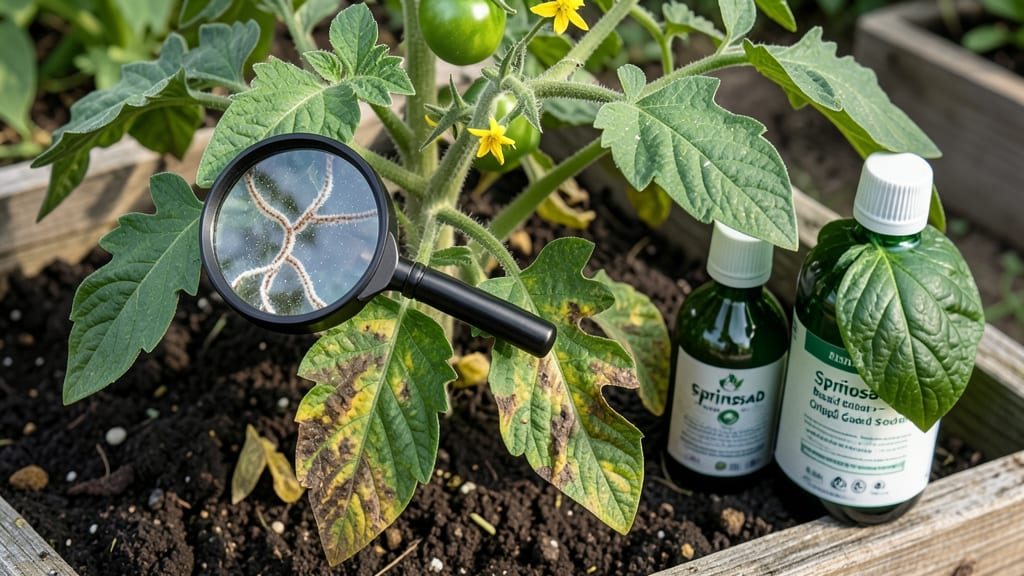
Those serpentine trails in your leaves aren’t just unsightly—they’re spinosad leaf miners making a meal of your plants. 🌿 I’ve battled these tiny pests on my basil and peppers, and the key to stopping them lies in a targeted organic spray that suffocates them without harming your plants or pollinators.
The damage starts as tiny white squiggles under leaves, then turns brown and crispy if left unchecked. Spinosad disrupts their nervous system, but it’s not a quick fix—you’ll need to apply it at dusk when bees aren’t active, and repeat every 7-10 days until new growth appears.
Think of it like a biological shield for your foliage.
By the time you finish, your plants will look spotless and start recovering within days. The spray breaks the miners’ life cycle, so you’ll see fewer new tunnels appearing. Plus, it’s safe for most organic gardens once fully dried.
Works best on veggies, herbs, and ornamentals like coleus or ferns—just avoid spraying flowers directly. Here’s how to do it right the first time.
📚 In This Guide
- What you need
- Instructions
- Tips and common mistakes
- Wrapping up and next steps
What you need
- ● Spinosad-based insecticide (e.g., Captain Jack’s or Success): 1–2 quarts (per 100 sq. ft. of foliage)
- ● Look for 0.02%–0.04% spinosad concentration (check label)
- ○ Horticultural oil or insecticidal soap (optional but recommended for added protection): ½ cup per gallon of spray mix
- ● Choose a food-safe, OMRI-listed option
- ● Water: 5 gallons (for mixing—adjust based on coverage needs)
- ● Spray bottle or backpack sprayer (1–2 gallons capacity): Fine-mist nozzle (8001 or 8002 for even coverage)
- ● Adjustable pressure (10–20 PSI for delicate foliage)
- ● Measuring cups and spoons (for precise mixing)
- ● Stirring stick or small paddle (to avoid clumping)
- ○ Protective gear (optional but wise): Nitrile gloves
- ● Long sleeves/pants (if sensitive to sprays)
- ● Safety goggles (if spraying near eyes)
- ● Choose a calm, overcast day (spinosad breaks down in direct sunlight)
- ● Apply early morning or late evening to avoid stressing plants
- ● Test spray on a small leaf or branch first (especially for sensitive plants like citrus or herbs)
How to create an organic spinosad barrier against leaf miners
Here's the simple, effective method I use to keep leaf miners from turning your plants into lace.
🌿 Step 1: Identify and Isolate Infested Plants
Start by examining your plants for the telltale signs of leaf miners—tiny, winding trails or blisters on the leaf surface. These pests start as larvae that feed between leaf layers, so check both sides. Remove any heavily infested leaves immediately and drop them in a sealed bag to prevent spread.
Isolate affected plants from healthy ones, especially if they're in containers or a small garden bed. Leaf miners can jump to nearby plants via wind or water, so keep them at least 3 feet away until treatment. This containment is your first line of defense—don't skip it.
💧 Step 2: Prepare the Spinosad Solution
Mix 1 teaspoon of spinosad concentrate with 1 quart of water in a clean spray bottle or pump sprayer. Shake gently to avoid creating suds—spinosad works best when evenly distributed. I like to prepare this in the early morning when temperatures are cooler, as spinosad can degrade faster in direct sunlight.
Wear gloves and a mask when handling spinosad, as it can irritate skin and lungs. Avoid spraying on windy days, as the fine mist can drift onto beneficial insects like bees. Test the spray on a small leaf area first to ensure it doesn't cause discoloration or damage.
☀️ Step 3: Apply the Barrier Spray
Spray the solution thoroughly on the top and bottom of all leaves, focusing on areas where you've spotted leaf miner activity. Use a fine mist setting to ensure even coverage—you want the spray to look like dew, not droplets. Pay extra attention to new growth, as leaf miners often target tender, fresh leaves first.
Reapply every 7-10 days or after heavy rain, as spinosad breaks down quickly in sunlight and water. The goal is to create a protective barrier that the leaf miner larvae can't penetrate. You'll know it's working when you stop seeing new trails appear after a few treatments.
✂️ Step 4: Maintain Plant Health to Deter Future Infestations
Healthy plants are less attractive to leaf miners, so keep your foliage strong by watering deeply 1-2 times per week and fertilizing with a balanced organic fertilizer every 4-6 weeks. Prune away any yellowing or damaged leaves to improve airflow and reduce hiding spots for pests.
Rotate your plants occasionally to ensure even sunlight exposure—leaf miners love shaded, crowded areas. If you notice new activity after treatment, increase the frequency of your spinosad applications or consider adding a layer of reflective mulch around the base of your plants to deter flying adults.
🪴 Step 5: Monitor and Adjust as Needed
Check your plants daily for new signs of leaf miners, especially on the undersides of leaves where larvae hide. If you see fresh trails after 3 weeks of treatment, the spinosad may no longer be effective—this can happen if the product degrades too quickly or if the larvae develop resistance.
In that case, switch to a different organic treatment like neem oil or insecticidal soap for 2-3 weeks before reintroducing spinosad. Keep detailed records of your treatments and observations—this helps you spot patterns and adjust your approach for next season.
Tips & tricks for effective spinosad leaf miner control
I learned these tricks after dealing with leaf miners that turned my prized basil into skeleton leaves. These small adjustments make all the difference in creating a lasting barrier.
Timing is Everything: Apply your spinosad spray in the early morning or late evening when temperatures are cooler. This prevents the active ingredient from breaking down too quickly in direct sunlight. I've noticed the solution lasts longer and works better when applied during these cooler hours, giving your plants maximum protection throughout the day.
Precision Application: When spraying in Step 3, focus on the undersides of leaves—this is where leaf miner larvae hide. Use a fine mist setting to avoid creating puddles, which can encourage fungal growth. I like to work in sections, starting from the top of the plant and moving downward, ensuring complete coverage without missing any spots.
Safety First: Always wear gloves and a mask when handling spinosad, even if it's organic. The concentrate can still irritate skin and lungs, and you don't want to risk contaminating your plants with residue from your hands. I also recommend testing the spray on a small leaf area first—some plants, like sensitive ferns, might react unexpectedly.
Monitor and Rotate: After your initial treatment, keep a close eye on your plants for any signs of new activity. If you notice fresh trails after 3 weeks, it's time to rotate treatments. Neem oil or insecticidal soap can be effective alternatives before reintroducing spinosad. This rotation prevents resistance from developing in the leaf miner population.
Pro Tips for Spinosad Leaf Miner
- I learned these tricks after dealing with leaf miners that turned my prized basil into skeleton leaves. These small a...
- Timing is Everything: Apply your spinosad spray in the early morning or late evening when temperatures are cooler. Th...
- Precision Application: When spraying in Step 3, focus on the undersides of leaves—this is where leaf miner larvae hid...
Frequently asked questions
Got questions about tackling spinosad leaf miners? You’re not alone! Here are some of the most common concerns—and straightforward answers to help you keep your plants thriving.
What is the best time of day to apply spinosad for leaf miners?
Apply spinosad early in the morning or late afternoon when temperatures are below 85°F (29°C). This reduces stress on plants and improves effectiveness, as direct sunlight can break down the spray. Avoid applying when bees or beneficial insects are active to protect pollinators.
How long does spinosad take to work against leaf miners?
You’ll typically see results within 3–7 days of application, but consistency is key. Reapply every 7–14 days (or after rain) until new damage stops appearing. For severe infestations, combine spinosad with other organic controls like neem oil or kaolin clay for faster results.
Can I use spinosad on edible plants like tomatoes or peppers?
Yes! Spinosad is OMRI-listed for organic gardening and safe for edible crops when used as directed. Wait 4 hours before harvesting to ensure residue is minimal. Always follow label instructions for specific crops, as some varieties may require adjusted timing.
What should I do if spinosad isn’t working after 2 weeks?
If leaf miners persist, try these troubleshooting steps:
- Check coverage: Ensure you’re spraying both sides of leaves and new growth thoroughly.
- Rotate treatments: Alternate with neem oil or insecticidal soap to disrupt resistance.
- Inspect for other pests: Leaf miners often team up with aphids or whiteflies—treat holistically.
- Encourage predators: Ladybugs and lacewings love leaf miners—attract them with companion plants like dill or marigolds.
Is spinosad more expensive than synthetic pesticides? How do I save money?
Spinosad is pricier than conventional pesticides but safer and more sustainable long-term. To save:
- Buy in bulk or concentrate form (dilute with water for larger gardens).
- Reuse spray bottles or invest in a pressure sprayer for efficiency.
- Prevent future infestations by removing damaged leaves and using floating row covers early in the season.
Wrapping up and next steps
Dealing with spinosad leaf miners doesn’t have to be a losing battle—with the right organic spray barrier, you can reclaim those lush, spotless leaves and keep your plants thriving! 🌿 The key is consistency, patience, and a proactive approach, whether you’re using spinosad or other natural methods. You’ve got this!
Ready to take action? Start by monitoring your plants weekly and applying your chosen barrier treatment at the first sign of trouble. Small, early steps lead to big, long-term results—so grab that spray bottle and get to work! 🚀