
Leaf Blower
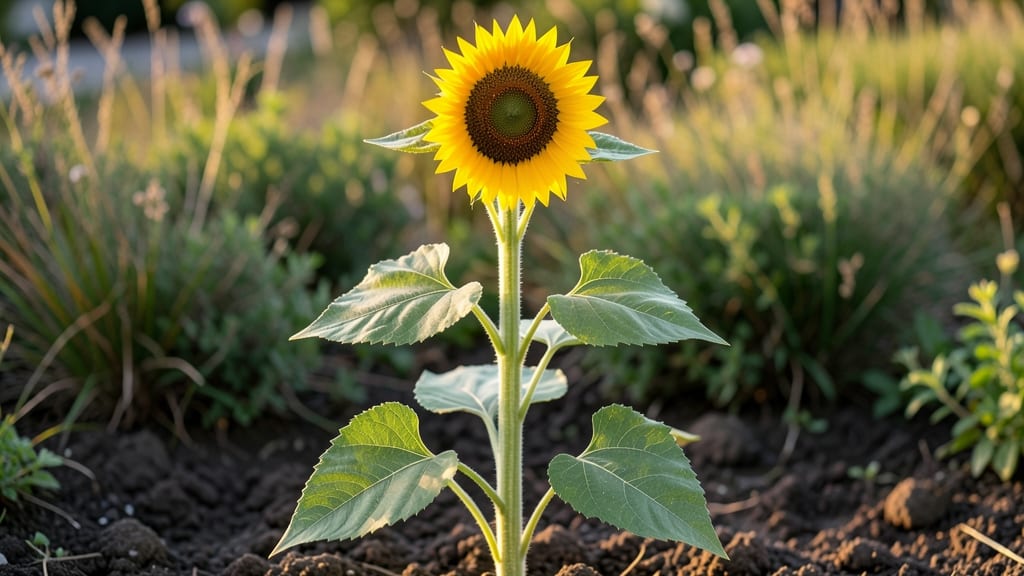
That sunflower leaf identification could be your plant’s signature—or its first warning sign. 🌻 Sunflower leaves have a distinctive shape with deep, irregular lobes that attach to the stalk with a slight twist, but spotting issues early means catching problems like powdery mildew or spider mites before they take over.
The first step is knowing what healthy looks like: deep green, rough texture, and those signature lobes that almost look like they’ve been cut with pinking shears. Compare that to the white dust of powdery mildew or the rust-colored spots that signal fungal infections—both can weaken your plant if ignored.
Once you spot the problem, you’ll act fast: prune affected leaves, apply neem oil for pests, or improve airflow to prevent mildew. Early detection turns a potential disaster into a simple fix—your sunflowers will thank you with those towering blooms you’re dreaming of.
This works for all sunflower varieties, from tiny dwarfs to giants, and helps you tell sunflowers apart from similar-looking plants like coneflowers or even young corn. Let’s get those leaves under the microscope—literally or just with a closer look.
Root Causes Behind Leaf Issues
Sunflower leaves are hardy but can develop problems that alter their shape, color, or health—making accurate identification tricky. Understanding the why behind these changes helps gardeners take targeted action. Below, we break down the most common culprits, from environmental stress to pests, with clear explanations and actionable insights.
Sunflowers thrive in warmth but struggle when conditions swing too far from their ideal range. These environmental factors can distort leaf growth, yellowing, or even premature wilting:
- Extreme Heat or Cold Sunflowers prefer temperatures between 60–85°F (15–29°C).
Below 50°F (10°C) or above 95°F (35°C), leaves may develop crinkled edges, brown spots, or curled lobes—a survival mechanism to reduce water loss. Action: Provide shade cloth in scorching climates or mulch to insulate roots in cold snaps.
- Water Imbalance (Over/Under) - Underwatering: Leaves turn yellow at the edges (scorching) or brown and crispy due to dehydration.
The lobes may shrink or develop a papery texture. - Overwatering: Leaves yellow from the center outward, and roots suffocate, leading to mushy, blackened lobes and foul-smelling stems. Action: Water deeply 1–2 times per week (check soil moisture 2 inches down—it should be dry but not bone-dry).
Ensure pots/drainage fields have holes to prevent soggy roots.
- Poor Soil Drainage or Compaction Sunflowers hate "wet feet." Compacted or clay-heavy soil restricts oxygen, causing stunted growth, pale green leaves, and lobes that fail to fully unfurl. Action: Amend soil with compost or perlite and avoid tilling when wet.
For containers, use a mix of 50% potting soil + 50% coconut coir.
Sunflowers attract pests and pathogens that physically damage leaves, altering their shape or texture. Here’s how to spot the signs:
- Aphids & Spider Mites - Symptoms: Sticky residue (honeydew) on leaves, yellowing between veins, or silver webbing (mites).
Leaves may curl inward as pests feed on sap. - Why it happens: These sap-suckers weaken plants by blocking nutrient flow, leading to distorted lobe growth or stunted stems. Action: Blast off pests with a strong spray of water or use neem oil (1 tsp per liter of water, spray every 5–7 days).
- Leaf Spot Fungi (Alternaria, Septoria) - Symptoms: Dark brown/black spots with yellow halos, often on older leaves. Spots may merge, causing lobes to die back prematurely. - Why it happens: Fungal spores thrive in humid, stagnant air (e.g., overcrowded plants or poor airflow).
Weakened leaves from stress (like overwatering) are prime targets. Action: Remove infected leaves immediately, space plants 18–24 inches apart, and apply copper fungicide preventatively.
- Cutworms or Slugs - Symptoms: Irregular holes or notches along leaf edges, especially at night.
Young plants may be severed at the stem. - Why it happens: These nocturnal chewers target tender leaves, leaving behind ragged, lobed-like tears that mimic disease. Action: Set up beer traps (bury a cup filled with beer) or use diatomaceous earth around the base (reapply after rain).
Sunflowers are heavy feeders, and deficiencies show up fast—often as leaf shape changes or discoloration. Here’s how to decode them:
| Symptom | Likely Deficiency | Why It Happens | Fix It |
|---|---|---|---|
| Yellowing between veins (chlorosis) | Nitrogen (N) | N is critical for chlorophyll. Poor soil or overwatering leaches it out. | Side-dress with compost tea or blood meal (5 tbsp per plant). |
| Purple stems/leaves | Phosphorus (P) | Stressed plants (drought, cold) can’t access P, stunting root/lobe development. | Add bone meal (1 tbsp per plant) or use a balanced 10-10-10 fertilizer. |
| Brown leaf edges | Potassium (K) | K regulates water and disease resistance. Low K = weak cell walls. | Use wood ash (sprinkle lightly) or greensand (1 tbsp per plant). |
| Small, pale leaves | Magnesium (Mg) | Mg is central to chlorophyll. Compacted soil locks it out. | Spray leaves with Epsom salt solution (1 tbsp per gallon of water). |
Sometimes, leaves change shape due to mechanical stress—not diseases or pests.
Look for: - Wind or Hail: Leaves may develop jagged tears or crushed lobes that resemble pest damage. Fix: Stake tall varieties or use row covers in storm-prone areas. - Improper Pruning: Cutting too close to the stem or at odd angles can stunt new growth, leading to lopsided or stunted lobes. Fix: Prune with clean shears, leaving 1/4-inch above a leaf node.
Avoid topping the main stem unless harvesting seeds.
Pro Tip: 🔍 Compare leaves—healthy sunflower lobes are deep green, broad, and slightly serrated. Any deviation (color, shape, texture) is your clue to dig deeper! Keep a plant journal to track changes over time—it’s the fastest way to spot patterns.
Quick Fixes for Sunflower Leaf Issues
Sunflowers are resilient, but their leaves can still show signs of stress, pests, or disease. The good news? Most problems have simple, effective solutions—if you catch them early. Below, we’ve mapped common issues to practical fixes, including prevention tips to keep your sunflowers thriving. 🌱💪
Cause: Too much or too little water disrupts nutrient uptake, leading to weak, yellow leaves. Fix:
- Adjust watering: Sunflowers need 1–1.5 inches of water per week (more in extreme heat). Water at the base (not the leaves) to prevent fungal diseases.
- Check soil drainage: Amend heavy clay soil with compost or sand to improve airflow.
- Prune damaged leaves: Snip off yellowing or mushy leaves with clean scissors to redirect energy to healthy growth.
Prevention: ✔ Water deeply but infrequently—avoid soggy soil. ✔ Mulch around the base (2–3 inches of straw or wood chips) to retain moisture and regulate temperature.
Cause: Insects (e.g., sunflower moth caterpillars, beetles) feast on leaves, creating jagged holes or skeletonized patterns. Fix:
- Handpick pests: Wear gloves and remove large caterpillars or beetles by hand (drop them in soapy water).
- Spray neem oil: Mix 1 tbsp neem oil + 1 tsp mild soap per gallon of water, and spray early morning or evening (avoid direct sun).
- Use row covers: Protect young plants with lightweight fabric until they’re established.
Prevention: ✔ Plant pest-repellent companions like marigolds or basil nearby. ✔ Encourage beneficial insects (ladybugs, lacewings) by planting dill or fennel.
Cause: High humidity, poor airflow, or wet foliage fosters fungal growth (white powdery mildew or orange rust spots). Fix:
- Improve airflow: Space plants 12–18 inches apart and prune nearby overgrowth.
- Fungal sprays:
- Baking soda spray: Mix 1 tsp baking soda + 1 tbsp oil + 1 tsp soap per quart of water. Spray every 7–10 days.
- Copper fungicide: Apply according to package instructions for severe cases.
- Remove infected leaves: Dispose of heavily spotted leaves in the trash (not compost).
Prevention: ✔ Water in the morning so leaves dry quickly. ✔ Avoid overhead watering—use a drip irrigation system if possible.
Cause: Poor soil or imbalanced fertilizers lead to weak, curled, or discolored leaves (e.g., yellow lower leaves = nitrogen deficiency; purple stems = phosphorus lack). Fix:
- Test your soil: Use a DIY soil test kit (available at garden centers) to identify deficiencies.
- Amend with compost: Mix 2–3 inches of compost into the top 6 inches of soil before planting.
- Targeted fertilizers:
- Nitrogen (green leaves): Use fish emulsion or blood meal.
- Phosphorus (root/flower growth): Try bone meal.
- Potassium (overall health): Use wood ash or banana peels (composted).
Prevention: ✔ Fertilize at planting (balanced 10-10-10) and again when buds form. ✔ Rotate crops to prevent nutrient depletion.
Cause: Strong winds or hail tear leaves, leaving ragged edges or bruises. Fix:
- Protect young plants: Use stakes or cages to support tall varieties (e.g., ‘Mammoth’).
- Prune damaged foliage: Trim torn leaves to encourage new growth.
- Mulch heavily: Adds a buffer against wind and retains moisture.
Prevention: ✔ Plant in sheltered spots (e.g., near fences or buildings). ✔ Choose dwarf varieties (e.g., ‘Teddy Bear’) if your area has frequent storms.
If you’re unsure about a leaf issue, quarantine the plant for 24–48 hours to monitor symptoms before treating. This prevents spreading problems to healthy sunflowers (or your other garden plants!).
Remember: Sunflowers are hardy—most issues are easily reversible with quick action. Keep an eye on your plants, and they’ll reward you with bold blooms and happy leaves all season! 🌻🌟
Frequently asked questions
How do I tell if a sunflower leaf is healthy?
Healthy sunflower leaves have a deep green color, rough texture, and distinctive lobed shape with irregular edges. The lobes should be broad and slightly serrated, attaching to the stem with a slight twist. Look for vibrant veins and no signs of yellowing, spots, or holes.
What’s the difference between sunflower leaves and coneflower leaves?
Sunflower leaves are large, deeply lobed, and have a rough, hairy texture. Coneflower leaves, on the other hand, are narrower, lance-shaped, and often smoother. Sunflower lobes are irregular and jagged, while coneflower leaves are more uniform and less divided.
Why are my sunflower leaves curling?
Curling sunflower leaves usually signal underwatering, pest infestations (like spider mites), or fungal diseases. Check the soil moisture first—water deeply if dry. Inspect the undersides of leaves for tiny webs (mites) or white powder (mildew). Apply neem oil for pests or improve airflow to prevent mildew.
Can I still harvest sunflowers if the leaves have spots?
Yes, but only if the spots are minor and not fungal. Remove heavily spotted leaves to prevent spread. Fungal spots (like rust or powdery mildew) can weaken the plant, but the edible parts (seeds, stems) are usually safe if the damage is localized. Always wash leaves before eating.
How do I identify sunflower leaves at different growth stages?
Young sunflower leaves start small and heart-shaped, then develop lobes as they mature. Mature leaves are large (up to 12 inches long), deeply cut, and rough-textured. As the plant flowers, lower leaves may yellow naturally and die back—this is normal and not a sign of disease.