
Size
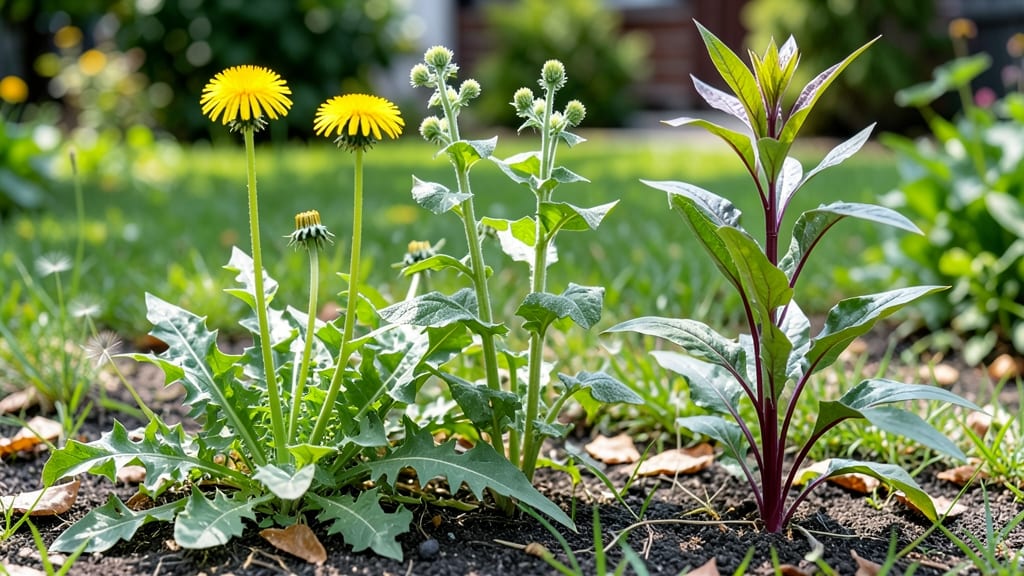
Tall broadleaf weeds are the garden's uninvited guests, stealing sunlight and nutrients from your prized plants. 🌱 I've battled them for years, but this root-cutting method finally gave me the upper hand—no more digging up the same weeds month after month.
The secret lies in targeting the roots before they spread, and it works for dandelions, plantain, and even stubborn chickweed. You'll need a sharp hoe or a sturdy knife, a sunny day, and about 30 minutes of focused work.
The key is cutting the roots just below the soil line—this starves the weed while leaving your plants untouched. I've used this method in both my vegetable beds and lawn, and the difference is night and day after just one treatment.
What you'll end up with is a garden where weeds stay down for good, not just for a season. The soil stays healthier, your plants grow stronger, and you spend less time pulling weeds and more time enjoying your garden.
Trust me, once you try this, you'll never go back to the old way. Works for any garden size and any type of broadleaf weed. Here's how to make it work for you—permanently.
The Hidden Triggers Behind Unwanted Growth
Understanding why tall broadleaf weeds take over your yard or garden is the first step to stopping them for good. These persistent plants don’t just appear out of nowhere—they thrive because of specific conditions and behaviors in your landscape.
Let’s break down the science behind their dominance and why they keep coming back stronger.
Tall broadleaf weeds like dandelions, chickweed, and plantain love to dominate because they outcompete weaker grasses and ground covers. Here’s why:
- Thin or Dead Grass Layers: When your lawn has bare spots, weeds find open real estate.
Thin grass struggles to block sunlight, giving weeds the upper hand in growth speed and root depth. - Nutrient-Imbalanced Soil: Weeds often thrive in soil that’s low in nitrogen but high in phosphorus and potassium.
This imbalance makes grass struggle while weeds flourish. - Compacted Soil: Heavy foot traffic or machinery compacts soil, reducing oxygen and water penetration. This stress weakens grass roots, leaving gaps for weeds to exploit.
Actionable Fix: Aerate compacted soil in the fall, overseed with dense, competitive grass varieties (like tall fescue or perennial ryegrass), and apply a balanced fertilizer to restore equilibrium.
Some broadleaf weeds are sun-seekers, while others thrive in moist conditions. Both scenarios create the perfect storm for their growth:
- Full-Sun Exposure: Weeds like pigweed and lambsquarters germinate rapidly in sunny areas, especially if the soil is disturbed. Their flat leaves soak up sunlight efficiently, shading out slower-growing grasses. - Overwatering or Poor Drainage: Weeds with deep taproots (e.g., dock or plantain) love moist soil.
If your yard holds water after rain or irrigation, these weeds will exploit the damp conditions to spread aggressively. - Irregular Watering: Spotty watering creates dry patches where grass dies back, leaving room for weeds to move in. Their shallow roots also recover faster than grass after drought stress.
Actionable Fix: Water deeply but infrequently (1–1.5 inches per week) to encourage deep grass roots. Mow high (3–4 inches) to shade the soil and reduce weed germination. For shady areas, opt for clover or creeping thyme to outcompete weeds naturally.
Weeds are opportunistic—they germinate in disturbed soil where grass roots haven’t established. Common culprits include:
- Construction or Landscaping: Digging, tilling, or installing new plants disrupts the soil, leaving seeds exposed to sunlight and moisture.
Many broadleaf weeds produce thousands of seeds that lie dormant until disturbed. - Poor Mulching Practices: Too little mulch leaves soil exposed, while too much mulch (especially organic) can smother grass but invite weeds like bindweed or nutsedge. - Foot Traffic & Pet Activity: Compacted paths or dog urine patches create bare spots where weeds like creeping Charlie or henbit take hold.
Actionable Fix: After disturbing soil, apply a pre-emergent herbicide (like corn gluten meal) to block weed seeds. For mulch, use 2–3 inches of inorganic mulch (like gravel) in high-traffic areas to suppress weeds without smothering grass.
Some weeds are masters of reproduction, using both seeds and underground roots to regenerate:
- Wind & Animal Dispersal: Weeds like thistle or milkweed release lightweight seeds that travel on breezes or hitchhike on pets, shoes, or equipment.
- Dormant Seed Banks: Many broadleaf weeds (e.g., chickweed) produce seeds that stay viable in the soil for years, waiting for the right conditions to sprout.
- Creeping Roots & Rhizomes: Plants like bindweed or ground ivy spread via underground stems, making them nearly impossible to eradicate with surface treatments alone.
Actionable Fix: Pull weeds before they seed (wear gloves to avoid spreading seeds!). For rhizomatous weeds, dig out roots in early spring when they’re most vulnerable. Solarize bare soil in summer by covering it with clear plastic for 4–6 weeks to kill dormant seeds.
Some weeds develop resistance to common herbicides, while others outlast treatments due to their biology:
- Herbicide Resistance: Repeated use of glyphosate (e.g., Roundup) can create "superweeds" like horseweed or ragweed that ignore post-emergent sprays.
- Fast Germination & Growth: Weeds like crabgrass germinate in as little as 5 days and grow 1 inch per day, outpacing grass recovery time.
- Shade Tolerance: Some broadleaf weeds (e.g., clover or violets) thrive under trees where grass struggles, making them hard to control without targeted treatments.
Actionable Fix: Rotate herbicides with different active ingredients (e.g., 2,4-D for broadleaf weeds, followed by a pre-emergent like pendimethalin). For resistant weeds, hand-pull or spot-treat with vinegar-based herbicides (for non-lawn areas) in late summer when weeds are stressed.
Pro Tip 💡: Prevention is cheaper than cure—focus on dense grass, proper mowing, and soil health to starve weeds out before they start. If they’re already winning, combine root-cutting techniques (like deep tilling or smothering) with targeted herbicides for long-term control.
Quick Fixes for Stubborn Weeds
Tall broadleaf weeds can feel like an endless battle, but with the right approach, you can reclaim your yard or garden without resorting to harsh chemicals.
Below, we’ve mapped out practical solutions tailored to the most common causes—from overgrowth to soil issues—along with prevention tips to keep weeds at bay for good.
If weeds are towering over your plants and spreading like wildfire, they’re likely thriving in ideal conditions. Here’s how to tackle them:
✂️ Manual Removal (Best for Small Patches)
- 🔥 Pull at the Right Time – Wait for a damp day when soil is soft (morning or after rain). Weeds are easier to uproot when moist.
- 👨🍳 Use the Right Tool – A weeding fork or dandelion digger works best for deep roots. For stubborn types like dock or thistle, a hula hoe can slice through them before they seed.
- 🥘 Dispose Properly – Bag weeds and compost them only if they’re seed-free. If they’ve gone to seed, toss them in the trash to prevent regrowth.
💡 Pro Tip: Grab weeds near the base and wiggle them side-to-side to loosen the root—don’t just yank!
Weeds love nutrient-rich, compacted, or disturbed soil. Fix the root cause with these steps:
📊 Improve Soil Health
- 🔥 Add Mulch – A 3–4 inch layer of organic mulch (wood chips, straw, or pine needles) blocks sunlight and smothers weeds while feeding your soil.
- 💪 Boost Organic Matter – Mix in compost or aged manure to improve drainage and outcompete weeds with healthier plants.
- ✨ Avoid Over-Tilling – Tilling stirs weed seeds to the surface. Instead, use a broadfork to aerate soil gently.
🎯 Prevention Tip: Plant a dense ground cover (like clover or creeping thyme) to crowd out weeds naturally.
For large infestations or persistent weeds, targeted treatments work best:
🔪 Spot-Treat with Herbicides (Selectively)
- Use a glyphosate-free, broadleaf-specific herbicide (like 2,4-D or clopyralid) for tough weeds. Always follow label instructions—avoid spraying near edibles or desirable plants.
- 💡 Pro Tip: Apply on a calm day when temps are below 85°F to reduce drift and plant damage.
🌿 Natural & Non-Toxic Options
- 🥗 Vinegar + Soap Spray – Mix 1 gallon white vinegar, 1 oz dish soap, and 1 cup salt. Spray directly on weeds (avoid desirable plants—this kills everything it touches).
- 🍎 Boiling Water – Pour boiling water on weeds growing in cracks or sidewalks (great for driveways).
- 🌡️ Solarization – For bare soil, cover it with clear plastic for 4–6 weeks in hot sun to bake weed seeds.
⏰ Timing Matters: Apply herbicides or natural treatments before weeds seed (late spring to early summer) to prevent next year’s crop.
Stop weeds before they start with these low-effort, high-impact habits:
- 🌱 Plant Smart – Choose dense, competitive plants (like perennials or ground covers) that shade out weeds.
- 🔥 Weed Early & Often – Spend 10 minutes weekly pulling weeds when they’re small—it’s easier than battling giants later.
- 🌡️ Adjust Watering – Weeds thrive on excess moisture. Water deeply but infrequently to encourage deep roots in your plants (not weeds).
- 🎯 Use Landscape Fabric – Under mulch or in garden beds, fabric blocks light while allowing water and air through.
💡 Final Hack: For permanent eradication, combine manual removal + soil improvement + mulching. Over time, your yard will become a weed-resistant fortress!
Frequently asked questions
What's the best time of year to tackle tall broadleaf weeds?
Early spring or late summer are ideal! During these times, weeds are actively growing but haven't yet produced seeds. Focus on pulling them when the soil is moist (after rain) for easier removal. This prevents new weed generations while making your efforts most effective.
Can I use vinegar to kill tall broadleaf weeds?
Yes, but with caution! Mix 1 gallon white vinegar with 1 oz dish soap and apply directly to weeds on a sunny day. This works best for isolated weeds in driveways or sidewalks—it kills everything it touches, so avoid spraying near desirable plants. For gardens, spot-treat carefully.
Why do some weeds keep coming back after I pull them?
Many weeds have deep root systems or spread via underground runners. If you don't remove the entire root (especially for dandelions or plantain), new shoots will regrow. Use a weeding fork or digger to get the whole root—cutting just above the soil line often leads to regrowth within weeks.
Are there any organic mulches that actually prevent weeds?
A 3-4 inch layer of wood chips or straw mulch blocks sunlight while breaking down to improve soil. For immediate weed suppression, try cardboard or newspaper topped with mulch—this smothers existing weeds while preventing new seeds from germinating. Just keep it away from plant stems.
How do I know if a weed has gone to seed?
Look for fluffy seed heads (like dandelions) or dry, brown pods (common in chickweed or plantain). If you see these, remove the plant immediately—seeds can spread hundreds of feet! For stubborn seeders, wear gloves and dispose of them in the trash (not compost) to prevent next year's infestation.