
Neem Oil
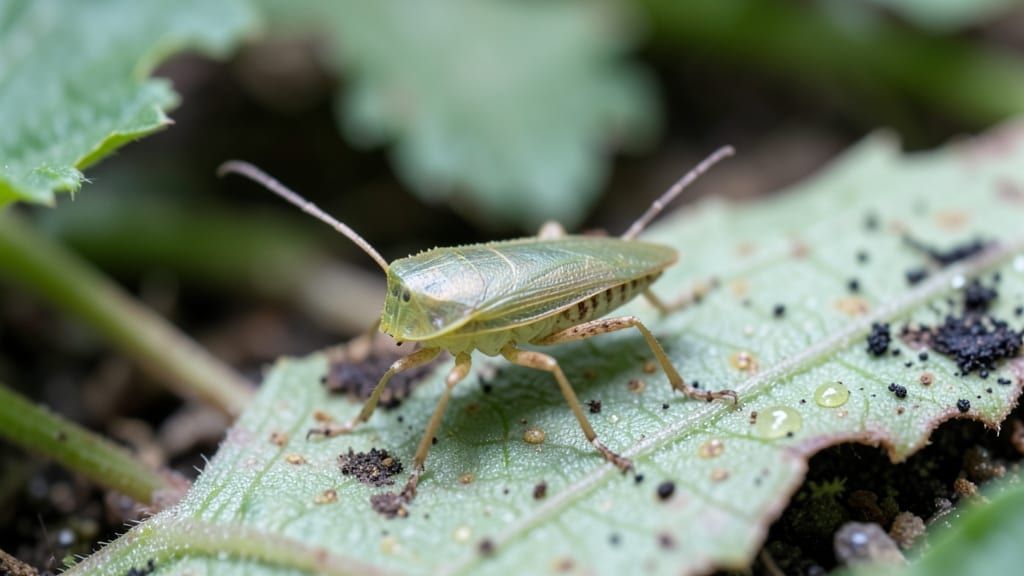
The vespine leaf bug is a dangerous pest that can turn your thriving garden into a crunchy mess in days. 🌿 Honestly, I’ve watched these tiny invaders skeletonize entire tomato plants in under a week—leaving behind a web of silk and wilting leaves that look like they’ve been through a drought.
The damage isn’t just cosmetic; it weakens plants so much they struggle to recover, even with proper care.
These bugs are sneaky—small, grayish-brown, and often hiding on the undersides of leaves. You’ll spot their work first: tiny holes, silken webbing, and leaves that curl or yellow faster than they should. The good news?
Neem oil spray is a fast, organic way to kick them out before they take over. It disrupts their life cycle without harming bees or beneficial insects, making it safer for your garden’s ecosystem.
With just one application (and a repeat spray every 5–7 days), you’ll see them vanish within 3–5 days. The key is timing—catch them early when populations are small, and you’ll save your plants from permanent damage.
Plus, it’s a one-step fix that works for other sap-sucking pests too, so you’re not just treating one problem.
Prevention is easier than cleanup: inspect plants weekly, especially in warm weather, and remove webbing immediately. A few drops of neem oil mixed with water in a spray bottle is all you need to keep these critters from crashing your garden party. Trust me, your tomatoes will thank you.
Root Causes Of Leaf Bug Infestations
Understanding why the vespine leaf bug (also called the Acanthosoma haemorrhoidale) becomes a threat in your garden or crops starts with recognizing its survival strategies and environmental triggers.
These insects don’t just appear—they’re drawn by specific conditions that make your plants irresistible to them. Here’s why they become a problem and how their behavior turns dangerous.
Vespine leaf bugs thrive when plants are already struggling.
Here’s why: - Weakened Defenses: Plants under stress (from drought, overwatering, or poor soil) produce fewer defensive compounds like tannins, making them easier targets. 🌡️ Think of it like a buffet sign for bugs! - High Sugar Content: Stressed plants often have elevated sugar levels in their sap—a favorite snack for leaf bugs.
Their piercing-sucking mouthparts detect these "high-energy" plants from a distance. - Lack of Predators: Healthy ecosystems have natural predators (like ladybugs or parasitic wasps) that keep leaf bug populations in check. When these predators decline—due to pesticide use or habitat loss—the bugs multiply unchecked.
Actionable Fix: Test your soil’s pH and nutrient levels (aim for balanced NPK ratios). Mulch to retain moisture and reduce plant stress. Avoid over-fertilizing, which can attract more pests by creating an artificial sugar rush in leaves.
Leaf bugs are cold-sensitive but love warmth and humidity.
Here’s how climate plays a role: - Warm Winters: Mild winters in regions like the southeastern U.S. allow leaf bug eggs to survive and hatch earlier, leading to larger populations. ❄️ Fewer freezes = more bugs! - High Humidity: These bugs prefer 70–80% humidity, which keeps their eggs moist and speeds up their life cycle.
Greenhouses or shaded areas with poor airflow become hotspots. - Sudden Temperature Shifts: Rapid changes (e.g., hot days followed by cool nights) can weaken plants, making them more vulnerable to infestations.
Actionable Fix:
- Use row covers in early spring to block migrating adults.
- Improve airflow around plants with pruning or spacing adjustments.
- Install fan ventilation in greenhouses to reduce humidity spikes.
Unintentional gardening habits can turn a minor pest into a full-blown crisis: - Poor Sanitation: Leaving fallen leaves, debris, or old plant matter near your garden provides hiding spots for overwintering adults and egg-laying sites. 🧹 Trash piles = bug condos! - Planting Favorite Hosts: Leaf bugs adore roses, grapes, citrus, and berries.
If these are your primary crops, you’re basically rolling out the welcome mat. - Overuse of Broad-Spectrum Pesticides: These kill beneficial insects first, disrupting the natural balance. Leaf bugs then face no competition for food or predators.
Actionable Fix:
- Clean up debris regularly, especially in fall/winter.
- Rotate crops to avoid creating a leaf bug monoculture.
- Switch to targeted pesticides (like neem oil) that spare predators.
Leaf bugs exploit gardens where the food web is broken.
Here’s how: - Missing Pollinators: Bees and butterflies help plants thrive, but their decline (from habitat loss or pesticides) weakens plants, making them easier prey. - Fungal Imbalances: Overuse of fungicides can kill beneficial microbes that protect plants.
Some fungi even attract leaf bugs by altering plant chemistry. - Monoculture Planting: Large patches of the same plant species create a "leaf bug buffet," while diverse gardens confuse their feeding patterns.
Actionable Fix:
- Plant companion plants like marigolds or basil to deter leaf bugs naturally.
- Introduce pollinator-friendly flowers (e.g., lavender, alyssum) to boost plant resilience.
- Reduce fungicide use and opt for neem oil (which also deters leaf bugs).
How to Eliminate These Pests Fast
Discovering a vespine leaf bug infestation can feel like a nightmare—especially when their piercing mouthparts start draining your plants of life. But don’t panic! With the right approach, you can quickly and safely rid your garden of these pests while protecting your plants.
Below, we break down targeted solutions based on the root cause of the problem, from manual removal to natural repellents like neem oil. Plus, we’ll share prevention tips to keep these bugs from returning.
If the infestation is small, your first line of defense is physical removal. These bugs are slow-moving, making them easy targets.
- 👨🍳 Handpick Adults and Nymphs
- Wear gloves and inspect leaves, stems, and undersides of foliage.
- Gently pluck bugs into a soapy water solution (1 tbsp dish soap + 1 gallon water) to kill them instantly.
- Focus on new growth and flower buds, where they love to hide.
- 🌿 Prune Infested Areas
- Cut off heavily damaged leaves or stems and dispose of them in sealed bags.
- Avoid composting—these pests can survive and reinfest your garden.
✨ Pro Tip: Do this early in the morning when bugs are sluggish and easier to spot.
Neem oil is a powerhouse for eliminating vespine leaf bugs without harsh chemicals. It disrupts their life cycle, repels them, and prevents future infestations.
🔪 How to Make a Neem Oil Spray
- Mix the Solution:
- 1 tbsp cold-pressed neem oil
- 1 tsp mild liquid soap (as an emulsifier)
- 1 quart water
- 1 tsp honey or sugar (optional, to attract bugs to the spray)
- 🌿 Apply Thoroughly
- Spray both sides of leaves, stems, and soil around the base of plants.
- Focus on new growth and flowering areas.
- Reapply every 5–7 days until the bugs are gone.
- 🌡️ Best Time to Spray
- Early morning or late afternoon to avoid burning plants in direct sunlight.
- Use a fine mist sprayer for even coverage.
💡 Pro Tip: For severe infestations, add 1 tsp garlic oil to the mix—it enhances repellent properties.
A healthy plant is less attractive to pests. Use these preventive measures to make your garden a no-go zone for vespine leaf bugs.
- 💪 Improve Soil Health
- Add compost or organic fertilizer to boost plant vigor.
- Ensure proper drainage—waterlogged soil stresses plants and attracts pests.
- 🌿 Companion Planting
- Plant marigolds, basil, or mint near vulnerable plants—their strong scents repel bugs.
- Avoid planting susceptible crops (like citrus or beans) next to each other.
- 🎯 Regular Inspections
- Check plants weekly for early signs of infestation (sticky residue, wilting, or tiny holes).
- Remove egg masses (white, cotton-like clusters) by hand if found.
Once you’ve eliminated the bugs, take steps to prevent their return.
- 🌡️ Maintain Garden Hygiene
- Clean up fallen leaves and debris—these provide hiding spots.
- Rotate crops annually to disrupt pest life cycles.
- 🛡️ Use Physical Barriers
- For container plants, wrap the base with fine mesh to block crawling bugs.
- Install yellow sticky traps near infested areas to monitor and catch stragglers.
- 🌿 Encourage Natural Predators
- Attract ladybugs, lacewings, or parasitic wasps—they devour vespine leaf bugs.
- Plant dill, fennel, or yarrow to lure beneficial insects.
With these targeted solutions, you’ll see a dramatic reduction in vespine leaf bug populations within 2–4 weeks. The key is consistency—stay vigilant, and your garden will thrive pest-free!
Frequently asked questions
Are vespine leaf bugs harmful to humans?
No, these bugs aren't dangerous to humans—they don't bite or transmit diseases. While their feeding can devastate plants, they pose zero risk to pets or people. The real danger comes from the damage they cause to your garden's health and productivity.
How can I tell if my plants have a leaf bug infestation?
Look for these telltale signs: tiny holes in leaves, silken webbing on stems, and leaves that curl or turn yellow. You might also spot the bugs themselves (grayish-brown, about 1/2 inch long) hiding on leaf undersides or flower buds.
Will neem oil kill leaf bug eggs?
Yes, neem oil effectively disrupts leaf bug egg development. Apply it every 5-7 days for 2-3 weeks to break their life cycle. The oil smothers eggs and prevents hatching, making it one of the most reliable organic treatments.
Can I use vinegar spray instead of neem oil?
Vinegar spray (1:1 water ratio) can help as a contact killer, but it's less effective than neem oil. The main issue is vinegar's acidity can burn plant leaves. For best results, dilute vinegar to 1:3 ratio and use sparingly on mature leaves only.
Why do leaf bugs always come back after treatment?
Common reasons include incomplete coverage, missing egg masses, or not treating nearby plants. These bugs spread quickly—treat all vulnerable plants within 3 feet of infested ones. Also check soil and debris where eggs may hide.