
Shrubs
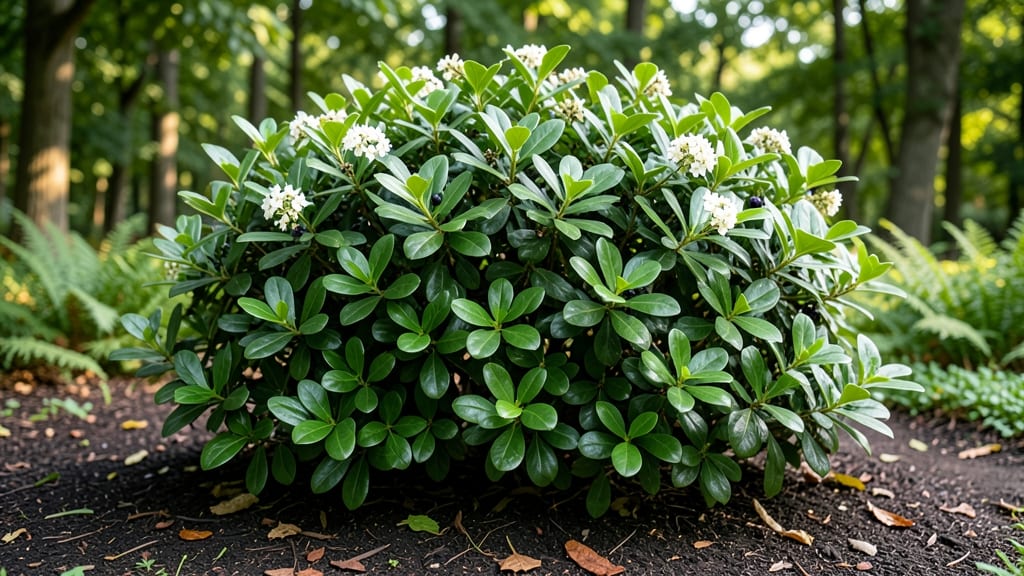
A waxleaf privet hedge delivers lush, year-round privacy with almost no fuss. 🌿 I planted mine last spring, and within a year, it transformed our backyard into a secluded retreat—no heavy pruning required. The key is choosing the right spot, prepping the soil, and understanding how this shrub naturally grows.
This evergreen thrives in full sun to partial shade, tolerates most soil types, and handles drought once established. My hedge stays vibrant with just one light trim per year, unlike fussy varieties that demand constant shaping.
The glossy, dark green leaves add texture to any landscape while keeping neighbors' views at bay. By summer's end, you'll have a dense, 6-foot-tall screen that stays green through winter. Birds love the berries, and the minimal maintenance makes it perfect for busy gardeners.
Ready to grow your own low-maintenance privacy wall?
Start with bare-root plants in early spring or fall, spacing them 3-4 feet apart for a tight hedge. Amend heavy clay soil with compost to improve drainage—waxleaf privet hates soggy roots. Water deeply after planting, then only when the top inch of soil feels dry.
Prune in late winter or early spring before new growth starts. Simply trim back any leggy branches to encourage bushier growth. Avoid cutting into old wood, as this shrub doesn't regenerate well from severe pruning. For a polished look, shape lightly with hedge shears in late spring.
Pests rarely bother waxleaf privet, but watch for spider mites in dry conditions. A strong spray of water usually clears them up. If diseases appear, improve airflow by thinning dense areas. This shrub handles urban pollution and salt spray, making it ideal for coastal or city gardens.
📚 In This Guide
- What you need
- Instructions
- Tips and common mistakes
- Wrapping up and next steps
What you need
- ● Waxleaf privet plants: 10–15 per 10 feet of hedge (spaced 2–3 feet apart for optimal growth). Choose healthy, 2–3 ft tall nursery-grown plants.
- ● Shovel or spade: For digging holes (borrowed or rented if needed).
- ● Measuring tape: To ensure even spacing between plants.
- ● Garden hose or watering can: For post-planting hydration.
- ○ Mulch (optional but recommended): 2–3 inches of shredded bark or pine straw to retain moisture and suppress weeds.
- ● Garden gloves: To protect your hands from thorns and soil.
- ● Pruning shears: For trimming excess foliage or shaping (light pruning only at planting!).
- ● Soil amendment (if needed): Compost or peat moss to improve drainage in heavy clay soils.
- ● Stakes and twine: To temporarily support young plants in windy areas.
- ● Slow-release fertilizer: 10-10-10 or organic options like bone meal for a nutrient boost.
- ● Hedge trimmer (electric or manual): For future shaping—wait at least 6 months before heavy pruning!
- ● Edging tool: To create clean borders around your hedge base.
- ● Plant food spray: For a quick foliar feed during the first growing season.
How to plant a low-maintenance waxleaf privet hedge
Here’s my go-to method for creating a dense, evergreen screen that stays lush with almost no pruning.
🌱 Step 1: Choose the Right Location and Soil Prep
Waxleaf privet thrives in full sun to partial shade, but for the thickest growth, pick a spot with at least 6 hours of direct sunlight daily. Dig a trench about 12 inches wide and 18 inches deep—this gives roots room to spread without competition. Amend the soil with 2-3 inches of compost mixed into the bottom half of the trench to boost drainage and fertility.
Test the soil pH—waxleaf privet prefers slightly acidic to neutral (6.1-7.5). If your soil is heavy clay, add a layer of sand or perlite at the bottom of the trench to prevent root rot. I always mark the trench edges with stakes so I don’t accidentally dig too deep when planting.
🪴 Step 2: Plant Nursery-Grown Privet Shrubs
Space your 4 plants about 3-4 feet apart for a mature hedge height of 6-8 feet. Dig holes just deep enough to accommodate the root ball—never bury the trunk deeper than it was in the nursery pot. Gently remove each plant from its container and loosen the roots if they’re circling.
Place the shrub in the hole so the top of the root ball sits 1 inch above ground level. This prevents water from pooling around the base. Fill the hole with soil, pressing lightly to eliminate air pockets, then water deeply until the soil settles. You’ll see the soil level drop slightly—add more soil if needed to maintain that 1-inch crown height.
☀️ Step 3: Water Deeply and Mulch for Retention
Water each plant with 1-2 gallons of water immediately after planting. Keep the soil consistently moist for the first 2-3 weeks—you’ll know it’s right when the top 2 inches of soil feel damp but not soggy. Overwatering now can suffocate roots, while underwatering stresses young plants.
Spread 2-3 inches of mulch around each plant, keeping it 3 inches away from the trunk to prevent rot. I use shredded bark mulch because it breaks down slowly and improves soil structure over time. Replenish mulch annually to maintain moisture and suppress weeds.
✂️ Step 4: Prune Strategically for Density (Not Just Shape)
Skip pruning the first year—let the plants establish strong root systems. In early spring of the second year, trim back any dead or crossing branches with clean cuts just above a leaf node. For shaping, cut the outer branches by ⅓ of their length to encourage bushier growth.
Here’s the trick: prune in late winter or early spring before new growth begins. Avoid heavy pruning in fall—it stimulates tender new shoots that won’t survive winter. You’ll see the hedge fill in faster if you focus on thinning out the center rather than just shearing the edges.
🌿 Step 5: Maintain Year-Round for Long-Term Privacy
Water deeply once a week during the first growing season, then taper to every 2-3 weeks once established (unless you’re in extreme heat or drought). Waxleaf privet is drought-tolerant once mature, but young plants need consistent moisture to root deeply.
Fertilize lightly in early spring with a balanced 10-10-10 fertilizer—just follow the package rate. Too much nitrogen leads to leafy growth at the expense of density. Watch for spider mites or scale insects; a strong spray of water usually clears them up before they become a problem.
Tips & tricks for perfect waxleaf privet hedges
Took me years to figure out how to grow these hedges without the constant pruning headache—here’s what actually works.
Sunlight Secret: That 6 hours of direct sunlight is non-negotiable for dense growth, but if your yard gets intense afternoon sun, consider planting on the north side of your property. I’ve seen waxleaf privet scorch when exposed to harsh afternoon rays in hot climates.
Root Ball Placement: When positioning your plants, make sure the root ball sits exactly 1 inch above ground level—this prevents water from pooling and rotting the trunk. I use a small wooden stake to mark this level before filling in soil, which saves me from having to dig back up later.
Mulch Matters: The 2-3 inches of mulch should stay 3 inches away from the trunk—this prevents moisture buildup that can cause rot. I’ve seen people skip this spacing and end up with fungal issues. Use shredded bark mulch because it breaks down slowly and improves soil structure over time.
Pruning Timing: That late winter or early spring pruning—before new growth begins—is crucial. I’ve made the mistake of pruning in fall, and the new shoots that grow won’t survive winter. Focus on thinning out the center rather than just shearing edges—this creates a fuller, denser hedge over time.
Pro Tips for Waxleaf Privet Hedge
- Took me years to figure out how to grow these hedges without the constant pruning headache—here’s what actually works.
- Sunlight Secret: That 6 hours of direct sunlight is non-negotiable for dense growth, but if your yard gets intense afternoon sun, consider planting on the north side of your property.
- Root Ball Placement: When positioning your plants, make sure the root ball sits exactly 1 inch above ground level—this prevents water from pooling and rotting the trunk.
Frequently asked questions
Got questions about growing and maintaining a waxleaf privet hedge? You’re not alone! Here are answers to the most common queries to help you create a lush, low-maintenance privacy screen with ease.
How fast does a waxleaf privet hedge grow?
A waxleaf privet hedge grows at a moderate pace, typically adding 12–24 inches per year under ideal conditions. With proper care—like regular watering and occasional pruning—you can achieve a dense, 6-foot-tall screen in 3–5 years. Patience pays off for that polished, evergreen look!
Does waxleaf privet need frequent pruning?
One of its biggest perks? Minimal pruning! Light trimming in late winter or early spring keeps it shaped, but waxleaf privet tolerates neglect well. For a hedge, prune just the new growth to encourage bushiness. Skip heavy cuts—this shrub thrives with less fuss than many alternatives.
What’s the best sunlight for a waxleaf privet hedge?
Waxleaf privet is versatile but prefers full sun to partial shade (6+ hours of sunlight daily). In hot climates, morning sun + afternoon shade prevents leaf scorch. It adapts to urban settings, making it perfect for tight spaces or city yards. Just avoid deep, persistent shade—growth slows dramatically.
Are waxleaf privet hedges deer-resistant?
While not fully deer-proof, waxleaf privet is moderately resistant due to its tough leaves. Deer may nibble young plants, but mature hedges usually survive. For extra protection, apply deer repellent or plant alongside deer-deterrent companions like boxwood or barberry. A little vigilance goes a long way!
Can waxleaf privet survive in cold climates?
Yes! Waxleaf privet handles USDA Zones 7–9 with ease, enduring temps down to 0°F. In colder zones, mulch the base in winter to protect roots. If you’re in Zone 6 or below, opt for ‘Shimpaku’ or ‘Silver Queen’ varieties, which are slightly hardier. Just avoid late-season pruning—new growth is frost-sensitive.
What’s a good alternative if waxleaf privet isn’t available?
If waxleaf privet is hard to find, consider these low-maintenance hedges:
- Boxwood – Dense, formal, but needs more pruning.
- Cherry Laurel – Faster growth, glossy leaves, but toxic to pets.
- Abelia – Floral blooms, drought-tolerant, but less dense.
- Holly – Spiky, evergreen, but slower-growing.
Wrapping up and next steps
A waxleaf privet hedge is the perfect solution for creating a lush, low-maintenance privacy screen that thrives with minimal effort. Its glossy foliage, resilience, and fast growth make it a standout choice for both functional and aesthetic landscaping.
Whether you're a seasoned gardener or just starting out, this evergreen beauty delivers year-round privacy with ease!
Ready to transform your outdoor space? Start by sketching your hedge layout, gathering supplies, and planting with confidence. With the right care, your waxleaf privet hedge will flourish into a stunning, evergreen masterpiece! 🌿✨