
Pests and Diseases
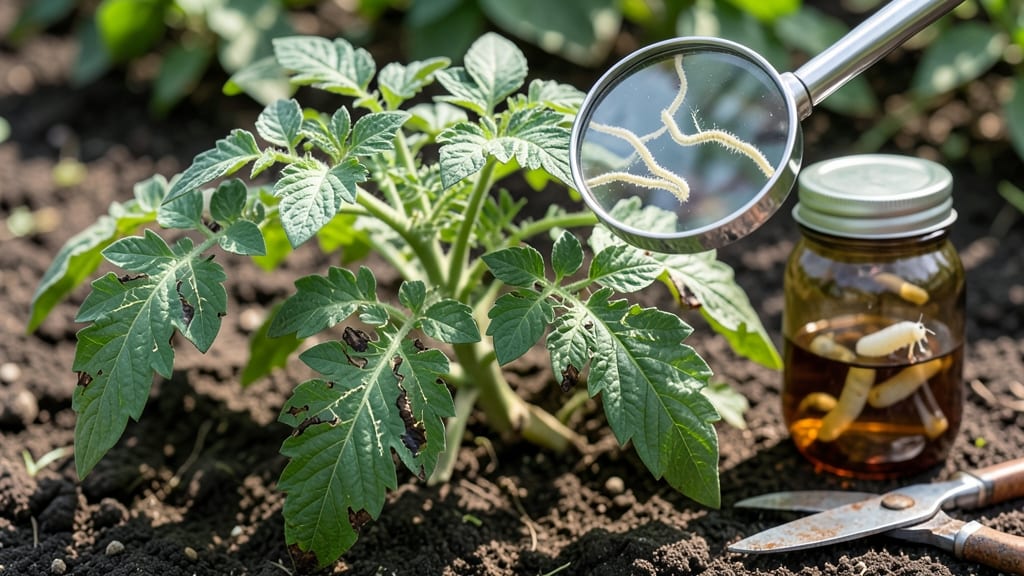
Those serpentine trails in your leaves aren’t just dirt—they’re leaf miners, the sneaky larvae of tiny flies that turn your plants into their personal buffet. 🌿 I first spotted them on my basil last summer, and what started as a few wavy lines turned into skeletonized leaves overnight.
The damage might look bad, but the good news? You can stop them before they ruin your harvest.
Leaf miners start as eggs laid on the undersides of leaves, then hatch into larvae that chew through leaf tissue, creating those telltale squiggly mines. You’ll see wilting, browning, or even premature leaf drop as the plant fights back. The worst part?
By the time you notice the damage, the larvae are already halfway through their life cycle. But here’s the secret: early action—like removing infested leaves or spraying neem oil—can save your plants before the mines spread.
You’ll breathe easier knowing how to spot them (look for the mines, not just holes) and what to do next: neem oil sprays, handpicking larvae, or even row covers to block adult flies.
The key is acting fast—once they’re established, control gets trickier. With the right approach, you’ll protect your plants without harsh chemicals, and your leaves will stay lush and intact.
Prevention is your best defense: healthy plants resist pests better, and row covers in early season block flies before they lay eggs. Even a quick weekly check for early signs can stop an outbreak before it starts. Let’s get your garden back to thriving—without the miners.
The hidden culprits behind leaf damage
Leaf miners aren’t just a random act of nature—they’re the result of specific biological triggers that turn your lush foliage into a buffet for tiny, hungry pests.
Understanding these causes helps you predict, prevent, and combat them before they wreak havoc. Here’s why leaf miners strike and how they exploit your plants:
The entire leaf-mining saga begins with adult moth or fly eggs. These pests—often Phytomyza flies, Liriomyza leaf miners, or Bucculatrix moths—are masters of disguise, laying their eggs on the undersides of leaves where they’re hidden from predators and gardeners alike.
- How it works: Females use their ovipositors to deposit eggs in clusters or singly, often near leaf veins or along the midrib.
Once hatched, the larvae burrow into the leaf tissue, creating the telltale serpentine or blotch mines. - Why it’s sneaky: Eggs are microscopic (0.1–0.5 mm) and blend into leaf surfaces.
By the time you spot the damage, the larvae are already feasting inside your leaves. - Actionable insight: Inspect leaves daily under a magnifying glass (or smartphone microscope app) during peak egg-laying seasons (spring to early summer for most species).
Leaf miners target stressed plants because their weakened cell walls make it easier for larvae to tunnel through.
Common stressors include: - Poor nutrition: Nitrogen-deficient leaves are softer and less resistant to mining. - Overwatering or drought: Both disrupt a plant’s ability to produce protective resins or tougher leaf structures. - Disease or prior pest damage: Plants already battling pathogens (like powdery mildew) or previous pests (e.g., aphids) are prime targets. - Root issues: Compacted soil, poor drainage, or root rot starve leaves of the energy needed to fight off invaders.
Pro tip: 💡 Healthy plants are your best defense—fertilize with balanced NPK (e.g., 10-10-10) in early spring and ensure proper drainage to deter miners.
Leaf miners thrive in specific climate conditions, which vary by species but generally include:
- Warm temperatures (60–85°F): Larvae develop fastest in heat, completing their life cycle in 7–21 days under optimal conditions.
- High humidity: Moist leaf surfaces make it easier for eggs to hatch and for larvae to move.
- Sheltered foliage: Dense plants (like hostas, basil, or roses) provide hiding spots for adults to lay eggs undetected.
Regional hotspots:
- Southern U.S.: Year-round activity for species like Liriomyza trifolii.
- Northern U.S.: Peak damage in June–August when temperatures rise.
- Greenhouses: Controlled warmth and humidity create perfect mining conditions 365 days a year.
Actionable fix: 🌡️ Monitor microclimates—prune dense foliage to improve airflow and reduce humidity traps.
Not all plants are equal in the eyes of a leaf miner.
These pests have specific favorites, often targeting: - Tender, broadleaf plants: Basil, beans, beets, brassicas (cabbage, broccoli), celery, and roses are top menu items. - Succulent or fleshy leaves: Plants like geraniums, pelargoniums, and peppers are irresistible because their soft tissue is easy to mine. - Young, new growth: Miners prefer tender leaves over mature, tough ones.
Why it matters: If you grow these plants, rotate crops annually and interplant with miner-resistant species (e.g., marigolds, nasturtiums, or lavender) to disrupt their life cycle.
Some leaf miners have multiple generations per year, meaning:
- Early-season miners (e.g., Phytomyza spp.) emerge in spring, lay eggs, and their larvae mature by summer.
- Late-season miners (e.g., Bucculatrix moths) appear in fall, overwinter as pupae, and re-emerge in spring.
Result: Your plants face wave after wave of attacks if you don’t intervene early.
Actionable strategy: 🎯 Break the cycle with seasonal scouting—check leaves weekly during peak periods (spring and fall) to catch eggs or early mines.
Quick Fixes for Leaf Miner Damage
Dealing with leaf miners can feel like battling a silent, sneaky foe—but don’t worry! With the right approach, you can stop the damage in its tracks and protect your plants. Below, we’ve broken down practical solutions based on the most common causes of leaf miner infestations.
Whether it’s poor garden hygiene, weak plants, or an outbreak, these fixes will help you regain control without harsh chemicals (unless absolutely necessary).
Leaf miners thrive where plants are weak or competing for resources. Thin out overgrown foliage and give your plants room to breathe.
- 🔪 Prune affected leaves (but don’t toss them in the compost—see disposal tips below).
- 💧 Water deeply but less frequently to encourage strong root growth (overwatering weakens plants).
- 🌱 Fertilize lightly with a balanced, organic fertilizer (like compost or fish emulsion) to boost plant health.
- 🌞 Ensure 6+ hours of sunlight daily—weak, shaded plants attract more pests.
💡 Pro Tip: If you spot miners on young seedlings, transplant them to a healthier area of the garden.
Leaf miners love cluttered gardens where old leaves and debris provide hiding spots. Break their cycle with these steps:
- 🗑️ Remove and dispose of infested leaves in a sealed trash bag (not compost)—miners pupate in soil!
- 🧼 Scrub pots and garden tools with soapy water to kill lingering larvae.
- 🍂 Rake up fallen leaves and mulch from the base of plants weekly.
- 🌱 Rotate crops—don’t plant susceptible plants (like basil, beans, or tomatoes) in the same spot year after year.
✨ Prevention Hack: Spread diatomaceous earth (DE) lightly around plant bases (reapply after rain). It’s a natural, non-toxic way to deter miners.
If miners are already munching away, act fast with these low-toxicity solutions:
🌿 Biological Controls (Best for Organic Gardens)
- 🐞 Release parasitic wasps (like Diglyphus isaea or Necremnus tutulus)—they eat miner larvae and are plant-safe.
- 🐸 Encourage birds and ladybugs by adding a small water source or native plants they love.
💦 Manual Removal (For Small Infestations)
- 🧤 Wear gloves and pick off visible larvae (they look like tiny white worms).
- 🚿 Blast infested leaves with water to dislodge larvae (do this in the morning so they dry out).
🧴 Chemical-Free Sprays (Safe & Effective)
- 🥄 Neem oil spray (mix 1 tbsp neem oil + 1 tsp mild soap + 1 quart water).
Spray every 5–7 days until miners disappear. - 🍋 Spinosad spray (derived from soil bacteria)—highly effective but use only as a last resort (safe for humans but toxic to bees).
⚠️ Warning: Avoid sevin dust or malathion—they kill beneficial insects and can harm pollinators.
Once you’ve kicked out miners, keep them from returning with these easy maintenance habits:
| Action | How to Do It | Why It Works |
|---|---|---|
| 🌱 Choose resistant varieties | Plant ‘Thai Basil’ (less appealing to miners) or ‘Early Girl’ tomatoes (more resilient). | Miners prefer tender, young leaves—tougher plants deter them. |
| 🍃 Mulch properly | Use straw or wood chips (not leaves) to keep soil moist and deter larvae. | Prevents pupation in dry, cracked soil. |
| 🕵️ Monitor regularly | Check undersides of leaves weekly—early detection = easier fixes! | Catches infestations before they spread. |
| 🌿 Interplant with herbs | Grow marigolds, dill, or mint near susceptible plants. | Confuses miners and attracts predator insects. |
🎯 Final Reminder: Leaf miners are annoying but beatable—consistency is key! Start with pruning and hygiene, then reinforce with natural sprays or biological controls. Before you know it, your plants will be miner-free and thriving again.
(Need a deeper dive on any of these methods? Drop a comment below!)
Frequently asked questions about leaf miners
What do leaf miner damage look like up close?
Leaf miners create distinctive serpentine or blotchy trails inside leaves, often following leaf veins. Look for white or brown squiggly lines (like tiny caterpillar highways) or irregular patches where the leaf tissue has been eaten away. The damage is usually between the leaf layers—you won’t see holes, just the telltale "mines."
Are leaf miners harmful to humans or pets?
No, leaf miners pose zero risk to humans or pets. The larvae only feed on plant tissue, and the adult flies don’t bite or sting. However, some gardeners report mild skin irritation from handling infested leaves, so wear gloves when pruning affected foliage.
Can I save a plant already heavily damaged by leaf miners?
Yes, but act quickly! Prune all infested leaves (don’t compost them) and treat with neem oil or parasitic wasps to break the cycle. For severe cases, consider replacing the plant—some species (like basil) may never fully recover if too many leaves are destroyed.
How do I tell if my plants have leaf miners vs. other pests?
Leaf miners leave distinctive internal trails (unlike aphids or spider mites, which cause external damage). Check for: tiny white larvae inside leaves, no visible holes (just squiggly lines), and no webbing (unlike spider mites). Use a magnifying glass to confirm—eggs look like tiny white specks on leaf undersides.
Will leaf miners kill my plants?
While they rarely kill mature plants, heavy infestations can weaken growth by reducing photosynthesis. Young seedlings or stressed plants are most at risk. If left unchecked, miners can cause premature leaf drop, stunted growth, or even plant death in extreme cases (especially in greenhouses).