
Leaf Blower
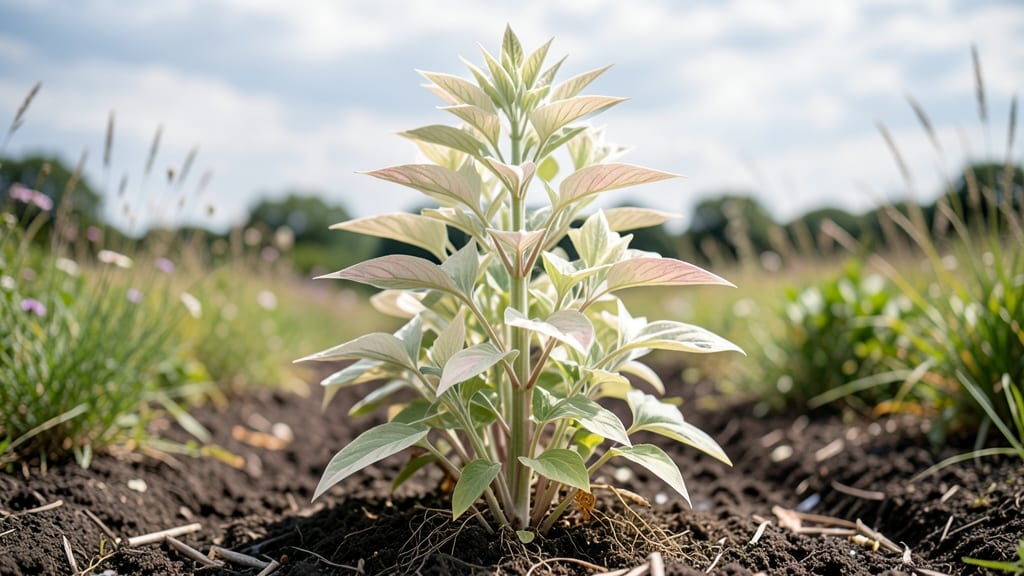
White leaf amaranth thrives where most greens give up—year-round harvest with almost no deadheading. 🌱 I’ve grown it in both summer heat and winter chill, and this plant just keeps delivering tender, nutritious leaves without fuss.
The secret lies in its adaptability: it handles everything from partial shade to full sun, and its striking white-and-pink foliage doubles as edible garnish or ornamental accent.
Start with seeds (they germinate fast in just 5-7 days) or transplants in well-draining soil—rich but not heavy. Space plants 12-18 inches apart to prevent overcrowding, and water consistently but avoid soggy roots.
Unlike lettuce or spinach, amaranth won’t bolt in heat, making it perfect for cut-and-come-again harvests all season long. Even pests usually leave it alone—its peppery flavor deters many common garden critters.
📚 In This Guide
- What you need
- Instructions
- Tips and common mistakes
- Wrapping up and next steps
What you need
- ● White Leaf Amaranth Seeds – 1–2 oz (about 150–300 seeds). Look for ‘White Mystery’ or ‘White Quill’ varieties for pure white foliage.
- ● Well-draining potting soil or garden soil – A mix with compost (20–30% organic matter) works best. For containers, use a 5–10 gallon pot per plant.
- ● Sunlight access – A spot with 6+ hours of direct sunlight daily (partial shade tolerates heat zones 7–10).
- ● Watering can or hose with a gentle spray nozzle – Amaranth prefers consistent moisture but hates soggy roots.
- ● Balanced fertilizer (10-10-10 or 5-5-5) – 1 tbsp per plant every 4–6 weeks during the growing season.
- ○ Garden gloves – Protects hands from prickly stems (optional but helpful!).
- ● Pruning shears or clean scissors – For harvesting leaves or trimming leggy growth.
- ● Mulch (straw or shredded leaves) – Helps retain moisture and suppress weeds.
- ● Seedling trays (if starting indoors) – 2–3 inch cells for early germination (transplant after 2–3 weeks).
- ● Organic pest control (neem oil or insecticidal soap) – Rarely needed, but useful for aphids or spider mites.
How to grow white leaf amaranth for continuous harvests
This hardy, fast-growing green thrives with almost no fuss—here’s how to coax bold, tender leaves all season.
🌱 Step 1: Select and Prepare the Perfect Planting Site
White leaf amaranth loves warmth and sun, so choose a spot with full sun exposure (6+ hours daily). It tolerates heat and humidity better than most greens, but avoid low-lying areas where cold air settles—this tender annual won’t survive frost. I always test the soil pH with a simple kit; amaranth prefers slightly acidic to neutral soil, 6.0-7.0 pH.
Loosen the top 6 inches of soil with a garden fork to improve drainage. Amaranth hates soggy roots, so if your soil drains poorly, mix in 1-2 inches of compost or aged manure. The goal is loose, fertile soil that holds moisture without becoming waterlogged. Work in any remaining weeds—competition stresses young seedlings.
🌱 Step 2: Sow Seeds Directly After Last Frost
Plant seeds ½ inch deep and 12 inches apart in rows 18-24 inches apart for easy harvest access. Amaranth seeds are large and easy to handle, so I like to sow them individually rather than scattering. Press each seed lightly into the soil—don’t bury them deeper, or germination slows dramatically.
Keep the soil consistently moist until germination, which typically occurs in 7-14 days depending on temperature. You’ll know it’s time to water when the soil surface feels dry to the touch. Avoid overhead watering once seedlings emerge—damp foliage invites fungal diseases. Instead, water at the base with a gentle stream.
☀️ Step 3: Thin Seedlings and Encourage Bushy Growth
When seedlings reach 2-3 inches tall and have 2-3 true leaves, thin them to 12-18 inches apart to give roots ample space. I use clean scissors to snip unwanted seedlings at soil level—this prevents disturbing the roots of remaining plants. The thinned seedlings make a great addition to salads or stir-fries.
Fertilize lightly with a balanced organic fertilizer (like 5-5-5) when seedlings are 4-6 inches tall. Amaranth is a fast grower, so it doesn’t need heavy feeding, but a little boost encourages lush foliage. Side-dress with compost every 4-6 weeks to maintain soil fertility. Watch for leggy growth—a sign of insufficient light or overcrowding.
💧 Step 4: Water and Maintain for Continuous Harvests
Water deeply 1-2 times per week, aiming for 1 inch of water per week. Amaranth’s deep taproot means it’s drought-tolerant once established, but consistent moisture produces tender leaves. Water in the morning to allow foliage to dry quickly, reducing disease risk. You’ll know it’s time to water when the top 1-2 inches of soil feel dry.
Harvest outer leaves when they reach 6-8 inches long, cutting just above a leaf node to encourage regrowth. This method ensures a steady supply without sacrificing plant health. Avoid cutting into the center—you’ll stunt the plant’s ability to produce new leaves. With minimal deadheading, white leaf amaranth keeps producing until frost.
✂️ Step 5: Extend the Season With Simple Protections
To harvest through fall, cover plants with frost cloth when nighttime temperatures drop below 40°F. Remove the cloth during the day to allow sunlight. Amaranth is sensitive to cold, so don’t risk leaving it uncovered—even light frost damages tender leaves. In warmer climates, succession planting every 3-4 weeks ensures a steady harvest.
Watch for pests like aphids or spider mites, which thrive on stressed plants. A strong spray of water usually dislodges them, but neem oil works well for persistent infestations. With proper care, white leaf amaranth rewards you with bold, nutritious greens with almost no effort—perfect for busy gardeners.
Tips & tricks for perfect white leaf amaranth growth
Here's what nobody tells you about growing this hardy green—simple secrets that make all the difference.
Soil Prep Secret: Before planting, mix in a handful of wood ash (from untreated wood) into your top 6 inches of soil—it raises pH slightly toward that ideal 6.0-7.0 range. This helps neutralize acidic soils while adding potassium. Test your soil first, though—too much ash can make it alkaline. The key is subtle balance, not drastic changes.
Germination Hack: Speed up those 7-14 days to germination by soaking seeds overnight in warm water before planting. This mimics natural rainfall cues and gives you a jumpstart. Just make sure to plant them ½ inch deep immediately after soaking—they won't wait around for you! I've seen germination cut by half with this method.
Thinning Technique: When thinning seedlings to 12-18 inches apart, use the removed plants immediately in a stir-fry or salad. Their tender leaves are perfect for quick cooking—just chop and sauté with garlic and olive oil. This prevents waste while giving you an early harvest. The remaining plants will thank you with bushier growth from reduced competition.
Harvesting Insight: For continuous harvests, cut leaves when they reach 6-8 inches but before they develop tough stems. Look for the second set of leaves from the bottom—these are the most tender. The plant will regrow from the base, producing new leaves at the same rate. This method keeps your plants productive for months without deadheading.
Pro Tips for White Leaf Amaranth
- Here's what nobody tells you about growing this hardy green—simple secrets that make all the difference.
- Soil Prep Secret: Before planting, mix in a handful of wood ash (from untreated wood) into your top 6 inches of soil—it raises pH slightly toward that ideal 6.0-7.0 range.
- Germination Hack: Speed up those 7-14 days to germination by soaking seeds overnight in warm water before planting.
Frequently asked questions
Got questions about growing white leaf amaranth? You’re not alone!
Here are answers to the most common queries to help you cultivate this resilient, low-maintenance leafy green with confidence.
Is white leaf amaranth easy to grow for beginners?
This variety thrives in partial shade to full sun and tolerates poor soil, making it perfect for new gardeners. It’s also drought-resistant once established, so watering is low-maintenance. Just keep the soil consistently moist until roots develop.
How long does it take to harvest white leaf amaranth?
You can start harvesting young leaves in just 4–6 weeks after sowing, but full maturity (60–90 days) yields larger, more tender leaves. For continuous harvests, pick outer leaves first—this encourages bushier growth and extends your season.
Can I grow white leaf amaranth in cold climates?
While it prefers warmth (60–85°F), white leaf amaranth is more frost-tolerant than many greens. Start seeds indoors 4–6 weeks before your last frost, or direct-sow after soil reaches 50°F. In colder zones, grow it as an annual or use row covers for early/late seasons.
What are the best alternatives if white leaf amaranth doesn’t thrive?
Try these low-maintenance, heat-tolerant greens:
- Swiss chard – Cold-hardy and productive.
- Malabar spinach – Thrives in humidity and heat.
- Kale (Lacinato or Red Russian) – Tolerates partial shade.
- Dandelion greens – Edible, fast-growing, and pest-resistant.
Why are my white leaf amaranth leaves turning yellow or wilted?
Yellowing often signals overwatering or poor drainage, while wilting can mean underwatering or root stress. Check soil moisture (1–2 inches deep should be dry), and ensure pots/containers have drainage holes. Pests like aphids or slugs may also target tender leaves—spray with neem oil or handpick them early.
Wrapping up and next steps
White leaf amaranth is a low-maintenance powerhouse for any garden, offering vibrant foliage and year-round harvests with minimal fuss. Whether you're a seasoned gardener or just starting out, its resilience and striking appearance make it a standout choice—plus, its hardy nature means less deadheading and more enjoying the greens! 🌿
Ready to elevate your garden? Start by planting a few seeds or seedlings this season, and watch your space transform into a thriving, colorful oasis. Grab your supplies and get growing—your future harvest (and Instagram feed) will thank you! 🌱✨