
Pests and Diseases
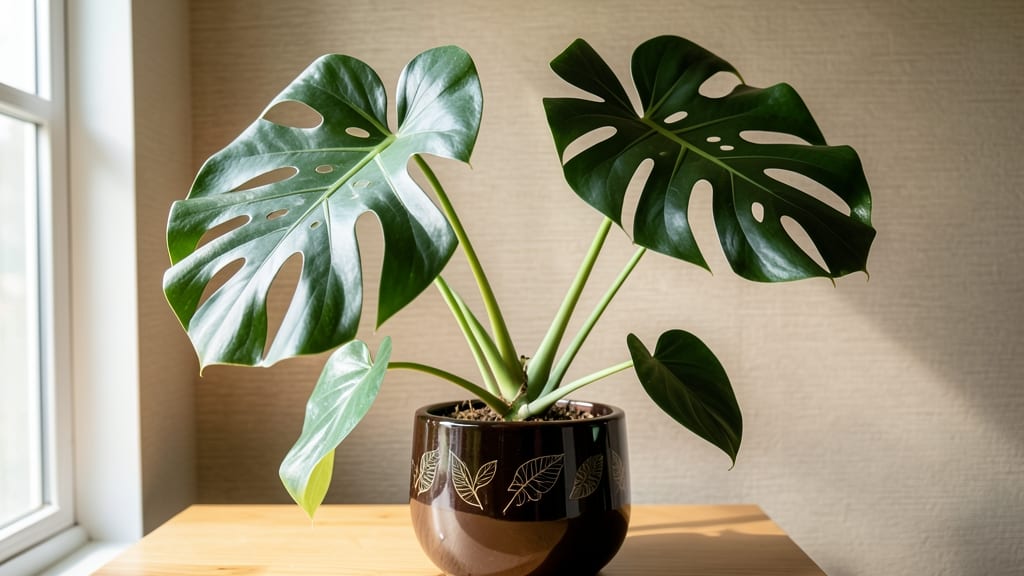
Your 3-pronged leaf plants could be the secret weapon your garden’s missed. 🌿 These trifoliate-leaved wonders—think clover, shamrock, or certain garden varieties—thrive with the right care, turning shady corners into lush, vibrant spots.
The key? Matching their love for indirect light, moist (but not soggy) soil, and a little patience for slow-but-steady growth.
Most people overlook these plants because they assume they’re high-maintenance, but the opposite is true. A well-draining soil mix with compost keeps roots happy, while morning sun and afternoon shade prevent leaf scorch.
Water deeply once a week—unless it rains—and watch them spread effortlessly into a dense, healthy ground cover. No fuss, just foliage.
By summer’s end, you’ll have a carpet of velvety green that outcompetes weeds and attracts pollinators. Whether you’re using them as edible ground cover (like clover) or ornamental accents, trifoliate leaves bring texture and resilience to any garden.
The best part? They bounce back from foot traffic and drought better than most plants.
Works in containers, borders, or as a living mulch—adjust watering for pots (they dry out faster) and prune in early spring to encourage fresh growth. Here’s how to keep them thriving all year.
Root Causes Behind Forked Leaves
Understanding why your plant develops a three-pronged leaf (or any abnormal leaf shape) starts with examining the underlying biological and environmental triggers. These issues often stem from disruptions in growth hormones, nutrient imbalances, or physical stress. Let’s break down the key culprits with clear, actionable explanations.
Some plants naturally produce three-pronged leaves due to genetic quirks. This isn’t a disease—it’s simply a variation in leaf morphology, similar to how some plants have serrated edges or lobed shapes.
- Why it happens:
- Certain plant species (like Coleus, Alocasia, or Monstera) occasionally exhibit trifoliate leaves as a normal trait.
- Mutations in growth-regulating genes (e.g., _KNOX_ or _ARF_ genes) can alter leaf development, leading to extra prongs or lobes.
- If the trait is stable (appears consistently), it’s likely genetic—not a problem.
- What to do:
- If you love the look, propagate the plant to preserve the trait!
- If it’s unsightly, check for other stress signs (like yellowing) to rule out environmental causes.
Plant hormones like auxin, cytokinin, and gibberellins control leaf shape, size, and growth. When these hormones are out of whack, leaves can develop abnormal structures, including extra prongs.
- Why it happens:
- Overproduction of cytokinins (which promote cell division) can cause extra leaflets or forked growth.
- Stress-induced auxin spikes (e.g., from pruning or damage) may trigger compensatory growth, leading to irregular shapes.
- Fungal or bacterial infections (like Pythium or Agrobacterium) can disrupt hormone signaling, mimicking genetic mutations.
- What to do:
- Test soil pH (ideal: 6.0–7.0 for most plants)—extreme pH throws off nutrient uptake and hormone balance.
- Avoid over-fertilizing with nitrogen (can skew cytokinin levels).
- Inspect for pests/diseases (e.g., gall-forming bacteria or root rot).
Trauma to the plant—whether from wind, hail, pests, or improper handling—can cause leaves to split or fork as they regrow.
- Why it happens:
- Mechanical damage to emerging leaves (e.g., rough pruning or brushing against walls) can disrupt cell development, leading to scissor-like splits.
- Wind or vibration stress (common in outdoor plants) may cause phyllotaxis disruption, where leaves grow in uneven patterns.
- Pest feeding (e.g., slugs, caterpillars, or mites) can chew unevenly, forcing new growth to compensate with extra lobes.
- What to do:
- Protect young leaves with netting or a cloche if wind is an issue.
- Handpick pests or use neem oil to prevent further damage.
- Support tall plants with stakes to reduce swaying.
Improper feeding—whether too much or too little of certain nutrients—can lead to deformed leaf growth, including three-pronged shapes.
| Nutrient Issue | Symptoms | Fix |
|---|---|---|
| Magnesium deficiency | Yellowing between leaf veins (interveinal chlorosis) + forked growth | Apply Epsom salt (1 tbsp/gallon) or switch to magnesium-rich fertilizer. |
| Boron toxicity | Thickened, cracked, or split leaves | Flush soil with water to leach excess boron; avoid over-fertilizing. |
| Potassium deficiency | Weak stems, curled edges, or extra prongs | Use a balanced fertilizer (e.g., 5-10-10) or banana peel tea. |
| Iron deficiency | Pale new leaves + irregular shapes | Use chelated iron or adjust soil pH (too alkaline locks out iron). |
- Pro Tip: 💡 Test your soil every 2–3 years to catch hidden deficiencies before they cause deformities.
Some pathogens directly alter leaf development, leading to forked, split, or cupped leaves.
- Why it happens:
- Tobacco mosaic virus (TMV) or Cucumber mosaic virus (CMV) can cause mosaic patterns and leaf malformations.
- Bacterial leaf curl (e.g., Agrobacterium tumefaciens) triggers gall-like growths that mimic extra prongs.
- Fungal infections (like Alternaria or Septoria) may weaken leaves, leading to compensatory forked growth.
- What to do:
- Remove infected leaves immediately and sterilize pruners with rubbing alcohol.
- Disinfect pots (soak in 10% bleach solution) if repotting.
- Use copper fungicides or neem oil as a preventive spray.
Before assuming it’s genetic, run through this quick troubleshooting guide: ✅ Is the plant healthy otherwise? (No yellowing, wilting, or spots?) ✅ Did you recently change fertilizers or soil? (Nutrient shock?) ✅ Have you seen pests or chewed leaves? (Physical damage?) ✅ Is this a new plant or a long-standing trait? (Genetic vs. environmental?)
If the issue persists after addressing these, consult a local plant pathology lab for a definitive diagnosis.
Fixing Your Plant’s Forked Foliage
A three-pronged leaf—or any abnormal leaf shape—can be a sign of stress, pests, or disease. But the good news? Most issues are fixable with the right approach. Below, we’ll break down the most common causes and practical, step-by-step solutions to restore your plant’s lush, healthy growth.
Plus, we’ll share prevention tips to keep those perfect leaves coming year-round! 🌿✨
🔧 Fix It: If your plant’s leaves are yellowing at the edges, splitting, or developing strange growths, it’s likely suffering from root rot or nutrient imbalance due to soggy soil.
- 🔥 Step 1: Check the Soil Stick your finger 1-2 inches deep into the soil. If it feels damp or smells sour, your plant is overwatered. Let the top 1-2 inches dry out before watering again.
- 🍳 Step 2: Improve Drainage If your pot lacks drainage holes, repot immediately into a container with holes. Add a layer of gravel or perlite at the bottom to prevent waterlogging.
- 👨🍳 Step 3: Adjust Watering Habits Water only when the topsoil feels dry. Use the "finger test"—if it’s moist, wait. For tropical plants, bottom-watering (placing the pot in a tray of water) can help prevent overwatering.
- 🥘 Step 4: Trim Damaged Leaves Use sterilized scissors to snip off yellow, mushy, or deformed leaves at the base. This prevents further spread of rot.
💡 Prevention Tips: ✔ Use well-draining potting mix (add perlite or orchid bark). ✔ Avoid saucers without drainage—empty excess water after 30 minutes. ✔ Monitor humidity—some plants (like ferns) need moisture, but others (like succulents) thrive in dry conditions.
🔧 Fix It: If leaves are small, pale, or growing in odd shapes, your plant may be starving for nutrients. This often happens in fast-growing plants or those in low-quality soil.
- 🌱 Step 1: Test Your Soil Use a simple soil test kit (available at garden centers) to check pH and nutrient levels. Most houseplants prefer slightly acidic soil (6.0-7.0 pH).
- 📊 Step 2: Fertilize Correctly
- For leafy greens (e.g., pothos, philodendron): Use a balanced liquid fertilizer (10-10-10) every 4-6 weeks during spring/summer.
- For flowering plants (e.g., peace lilies): Switch to a high-phosphorus fertilizer (5-10-5) when buds form.
- For succulents/cacti: Use a low-nitrogen, diluted fertilizer (half-strength) once in spring.
- 🍎 Step 3: Boost with Organic Amendments Mix compost, worm castings, or fish emulsion into the soil for a slow-release nutrient boost. Avoid overdoing it—too much fertilizer burns roots!
💡 Prevention Tips: ✔ Rotate fertilizers to avoid buildup (e.g., switch between organic and synthetic). ✔ Flush the soil every 3 months with plain water to remove salt buildup. ✔ Repot every 1-2 years to refresh nutrients.
🔧 Fix It: Spider mites, aphids, or mealybugs suck sap, causing leaves to curl, split, or grow abnormally. Act fast—pests spread quickly!
- 🕷️ Step 1: Identify the Culprit
- Tiny webs? → Spider mites (use a magnifying glass).
- Sticky residue? → Aphids or mealybugs.
- Black sooty mold? → Sap-sucking pests (like scale).
- 🧼 Step 2: Isolate & Clean
- Move the plant away from others to prevent spread.
- Wipe leaves with a soapy water solution (1 tsp mild soap + 1 quart water).
- For severe infestations, rinse under warm water to dislodge pests.
- 🔪 Step 3: Apply Natural Pesticides
- Neem oil spray (mix 1 tbsp neem oil + 1 tsp soap + 1 quart water). Spray every 5-7 days for 2 weeks.
- Insecticidal soap (store-bought) for quick knockdown.
- Introduce beneficial insects (ladybugs or lacewings) for long-term control.
- ⏰ Step 4: Monitor & Repeat Check leaves daily for new pests. If the problem persists, repeat treatment or try a systemic insecticide (like imidacloprid) as a last resort.
💡 Prevention Tips: ✔ Inspect new plants before bringing them home (quarantine for 2 weeks). ✔ Keep your space clean—remove dead leaves and debris where pests hide. ✔ Use reflective surfaces (like aluminum foil near windows) to deter spider mites.
🔧 Fix It: Sudden temperature swings, drafts, or extreme heat can cause leaves to split, scorch, or grow in odd shapes.
- ❄️ For Cold Stress (Brown Edges, Wilting):
- Move the plant away from drafts (AC vents, doors, windows in winter).
- Use a heating mat (for tropical plants) if temps drop below 50°F (10°C).
- Mist leaves lightly to increase humidity (but avoid soggy soil).
- 🔥 For Heat Stress (Yellowing, Crispy Edges):
- Shift the plant to a spot with indirect light (east or north-facing windows).
- Increase airflow with a small fan (but avoid direct blasts).
- Water deeply in the morning to help cool roots.
💡 Prevention Tips: ✔ Acclimate plants slowly to temperature changes (e.g., move outdoors gradually in spring). ✔ Use a thermometer to monitor your plant’s ideal range. ✔ Group plants together to create a microclimate with stable humidity.
🔧 Fix It: Some plants—like variegated monstera, split-leaf philodendron, or bird-of-paradise—naturally develop three-pronged or lobed leaves. If your plant is otherwise thriving (no pests, good growth), this is normal!
- 🌟 Embrace the Unique Look!
- These plants often grow faster and larger with proper care.
- Prune for shape if desired, but avoid cutting healthy growth.
- Fertilize lightly to encourage bigger, fuller leaves.
💡 Prevention Tips: ✔ Research your plant’s species—some varieties are bred for this look! ✔ Avoid over-fertilizing, which can lead to weaker, less distinct foliage.
Before you give up, run through this quick troubleshooting guide:
| Problem | Quick Fix | Prevention |
|---|---|---|
| Overwatering | Let soil dry, repot if needed | Use well-draining soil + saucer with holes |
| Pests | Neem oil spray + isolation | Inspect new plants, keep area clean |
| Nutrient Deficiency | Fertilize + compost boost | Rotate fertilizers, flush soil |
| Temperature Stress | Adjust placement + humidity | Monitor temps, avoid drafts |
| Genetic Traits | Love it as-is! | Research plant variety |
🎯 Pro Tip: Keep
Frequently asked questions
Are all plants with three-pronged leaves edible?
No, not all trifoliate plants are edible. While some like clover (Trifolium) and shamrock (Oxalis) are safe and delicious, others—such as poison ivy (Toxicodendron radicans)—can be extremely toxic. Always verify plant identification before consuming, especially if foraging wild specimens.
Why do some plants develop three-pronged leaves when others don’t?
This variation usually comes down to genetics or environmental stress. Some plants, like variegated monstera or split-leaf philodendron, naturally produce trifoliate leaves as part of their species traits. Others may develop them due to nutrient imbalances, hormonal disruptions, or physical damage. Check for yellowing, pests, or irregular growth patterns to diagnose the cause.
Can I propagate a plant with three-pronged leaves?
If the trait is stable (appears consistently), you can propagate the plant through stem cuttings or division. Use a rooting hormone for faster results, and place cuttings in a well-draining soil mix with bright, indirect light. Keep the soil moist but not soggy until new growth appears. This is a great way to preserve unique foliage traits!
What’s the best way to identify a plant with three-pronged leaves?
Start by examining the leaf structure, stem, and growth pattern. Use a plant identification app (like PlantNet or iNaturalist) or consult a local nursery expert. Key details to note include leaf texture, vein pattern, and whether the plant produces flowers or berries. For edible varieties, a field guide or trusted online resource can help confirm safety.
How do I prevent trifoliate leaves from turning yellow or dying?
Ensure your plant gets the right balance of light, water, and nutrients. Overwatering or poor drainage often causes root rot, while underwatering leads to stress. Use a well-draining potting mix and fertilize lightly during the growing season. If yellowing persists, test your soil for nutrient deficiencies or pests.