
Leaf Blower
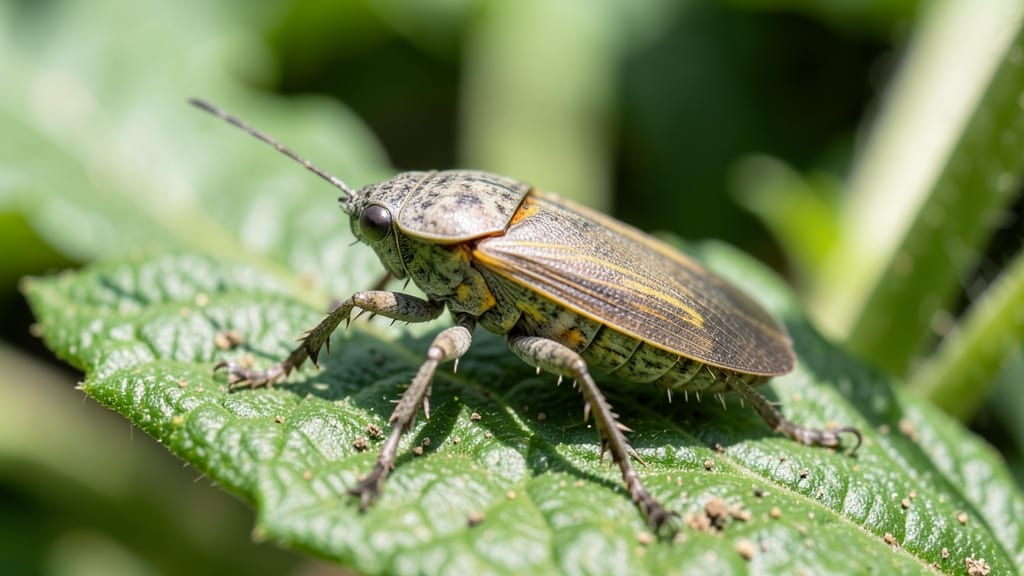
Yes, leaf-footed bugs are harmful to plants because they pierce foliage to feed, injecting digestive enzymes that cause wilting, yellowing, and stunted growth in vegetables, fruits, and ornamentals like tomatoes, peppers, and roses. Their feeding can also transmit plant diseases.
These pests are particularly destructive because their feeding habits don't just damage leaves—they create entry points for fungal and bacterial infections. 🔥 The distinctive leaf-like hind feet (which give them their name) help them cling to plants while they use their sharp mouthparts to inject saliva containing enzymes that break down plant tissues.
This process leaves behind telltale signs like irregular brown spots or holes on leaves, and in severe cases, entire plants can become stunted or fail to produce fruit. I've seen entire tomato harvests ruined when these bugs go unchecked during peak growing seasons.
The real danger comes when you consider their ability to spread diseases like bacterial leaf spot or fungal infections. Unlike many garden pests that simply chew leaves, leaf-footed bugs act as living syringes, injecting pathogens directly into plant systems.
This makes early detection and prevention absolutely critical for maintaining healthy gardens.
💡 In This Article
- How Leaf-Footed Bugs Damage Plants and Spread Disease
- Identifying and Controlling Leaf-Footed Bug Infestations Early
How leaf-footed bugs damage plants and spread disease
Leaf-footed bugs cause damage through a sophisticated feeding process that begins when they insert their sharp, needle-like mouthparts called stylets into plant tissue. These stylets can penetrate 0.004 inches (0.1 mm) deep into leaves, stems, and even fruit, creating microscopic wounds.
As they feed, they inject digestive enzymes that liquefy plant cells, allowing them to suck up the nutrients. This injection isn't just about nutrition—it triggers a plant's defense response, causing cells to collapse and creating visible damage patterns.
The most vulnerable plants include tomatoes (where feeding causes cat-facing on fruit), citrus trees (leading to premature fruit drop), and beans (resulting in deformed pods). You'll notice distinctive symptoms like irregular brown scorch marks on leaves, yellowing between veins, and a general wilting appearance.
In severe cases, plants may produce small, misshapen fruit with internal browning. 🔥 The damage isn't just cosmetic—it disrupts photosynthesis and nutrient transport, often leading to stunted growth or complete crop failure.
What makes these bugs particularly dangerous is their role as disease vectors. As they move between plants, they can transfer 12+ bacterial and fungal pathogens, including Xanthomonas (causing bacterial leaf spot) and Fusarium (responsible for wilting diseases). The stylet wounds they create provide perfect entry points for these microorganisms.
For example, in pepper plants, leaf-footed bug feeding has been linked to outbreaks of Phytophthora root rot, which can kill plants within weeks if left unchecked.
The damage mechanism works differently than chewing insects. While beetles or caterpillars remove large chunks of leaf tissue, leaf-footed bugs create hundreds of tiny feeding sites per plant, each injecting enzymes that trigger localized cell death.
This creates a mosaic pattern of damaged and healthy tissue that's distinctive under close inspection. The bugs themselves are often found hiding on the undersides of leaves during the day, only becoming active at dusk and night when they feed most aggressively.
Consider this comparison: A single leaf-footed bug can create 50+ feeding sites in one night, while a similar-sized caterpillar might consume an equivalent area of leaf tissue in the same time. The difference?
The caterpillar's damage is visible as holes, while leaf-footed bug damage appears as tiny, water-soaked spots that eventually turn brown and crispy. This subtle but pervasive damage often goes unnoticed until plants show signs of stress like leaf curling or premature fruit drop.
The disease transmission aspect is particularly insidious because symptoms from pathogen spread often mimic nutrient deficiencies. For instance, citrus greening disease (transmitted by these bugs) causes yellowing leaves that gardeners might initially attribute to iron deficiency—by the time they realize the true cause, the tree may be beyond saving.
This is why early detection through regular inspections of leaf undersides and new growth is so critical.