
Diseases
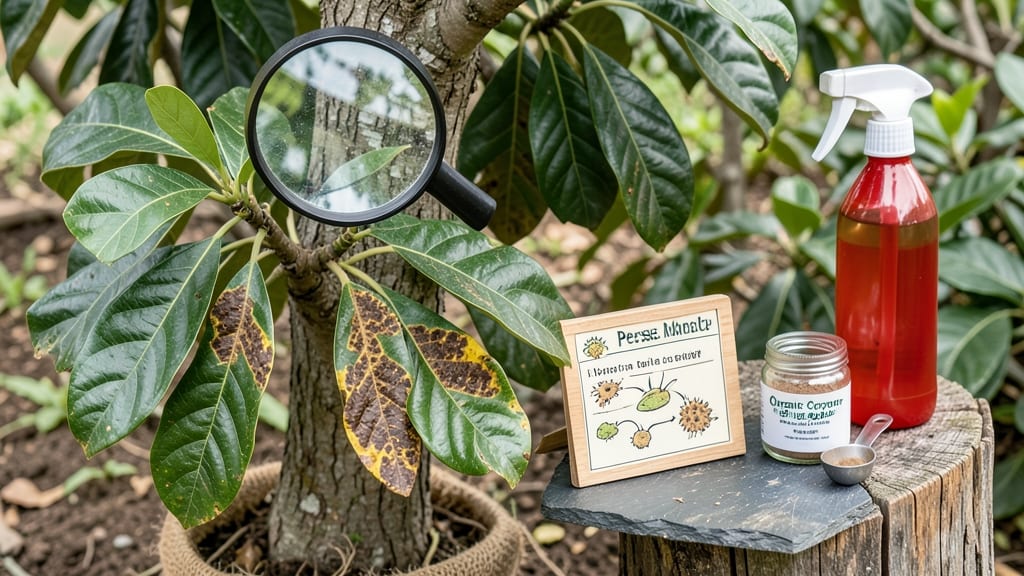
The leaf diseases of your avocado tree shouldn’t look like this—yellowing, spotted, or curling is a red flag. 🌿 I’ve seen fungal infections, bacterial spots, and nutrient deficiencies turn lush green foliage into a sad, struggling mess, but the good news is you can spot and treat these issues before they spread.
The first step is identifying the problem: fungal diseases often show up as dark, greasy spots, while bacterial spots look water-soaked and spread quickly. Nutrient deficiencies reveal themselves through yellowing between veins or purplish undersides.
Once you know what you’re dealing with, pruning infected leaves and applying organic sprays like neem oil or copper fungicide can turn things around. With the right care, your tree will bounce back—think vibrant green leaves, fewer fallen fronds, and a healthier plant overall.
Prevention is key, so we’ll cover how to keep your avocado tree thriving long-term, too. Whether you’re dealing with a new infection or just want to stay ahead, this guide gives you the tools to protect your tree. Let’s get started!
Root Causes Behind Leaf Troubles
Avocado trees are prized for their lush, vibrant foliage—but when leaves start yellowing, wilting, or developing unsightly spots, it’s often a sign of underlying stress. Understanding why these issues arise is the first step to prevention.
Below, we break down the most common culprits behind avocado leaf diseases, explained in clear, actionable terms.
Fungal pathogens are the #1 cause of avocado leaf diseases, thriving in warm, humid conditions. These microscopic invaders disrupt the tree’s natural defenses, leading to:
- Anthracnose (Colletotrichum spp.) – Causes dark, sunken lesions on leaves and fruit. Fungal spores spread via wind, rain, or contaminated tools, especially when leaves stay wet for prolonged periods.
- Phytophthora Root Rot (Phytophthora cinnamomi) – While primarily a root disease, it weakens the tree, causing yellowing leaves and leaf drop. This soil-borne fungus thrives in waterlogged or poorly drained soil.
- Leaf Spot Diseases (e.g., Cercospora, Mycosphaerella) – These create circular or irregular brown spots with yellow halos. High humidity and overhead irrigation create the perfect breeding ground.
Why it happens: Fungi spread when avocado trees are stressed (e.g., from drought, poor nutrition, or physical damage). Once established, they multiply rapidly in moist environments, outcompeting the tree’s natural defenses.
Avocados are drought-tolerant but hate soggy roots. Overwatering or compacted soil leads to:
- Root suffocation, cutting off nutrient and oxygen flow to leaves.
- Fungal growth (like Phytophthora) in waterlogged conditions.
- Leaf yellowing (chlorosis) due to iron or zinc deficiency—common when roots can’t access nutrients properly.
Why it happens: Avocado roots need well-draining soil (pH 6.0–7.0) to prevent waterlogging. Clay-heavy or poorly amended soil traps excess moisture, creating anaerobic conditions that strangle roots. Pro tip: Test your soil’s drainage by digging a hole—if water pools after 6 hours, you’ve got a problem.
Avocados are heavy feeders, and deficiencies show up first on leaves. The most critical deficiencies include:
| Nutrient | Leaf Symptoms | Why It Happens |
|---|---|---|
| Nitrogen (N) | Pale yellowing (chlorosis) on older leaves, stunted growth. | Poor soil organic matter or over-pruning without replenishment. |
| Potassium (K) | Brown leaf edges ("scorch"), weak stems. | Leaching in sandy soils or overwatering flushes out potassium. |
| Magnesium (Mg) | Interveinal yellowing (between veins) on older leaves. | Acidic soil binds magnesium, making it unavailable. |
| Zinc (Zn) | Small, distorted leaves ("little leaf" syndrome). | Calcium-rich or alkaline soils block zinc uptake. |
Why it happens: Avocados deplete nutrients faster than many trees, especially in sandy or volcanic soils. Without regular soil testing and amendments (e.g., compost, Epsom salt for magnesium), deficiencies creep in silently.
While not diseases themselves, pests weaken avocado trees, making them vulnerable to infections. Key offenders:
- Spider Mites – Suck sap, causing stippling (tiny white/yellow dots) and leaf drop. They thrive in dry, dusty conditions, stressing the tree.
- Scale Insects – Secret honeydew, attracting sooty mold (a black fungal growth) that smothers leaves.
- Avocado Thrips – Feed on new growth, leading to distorted, curled leaves and silver streaks.
Why it happens: Pests exploit stressed trees (e.g., those with nutrient deficiencies or drought). Once they breach the tree’s defenses, they create entry points for fungal/bacterial invaders. Pro tip: Use horticultural oil or neem spray to disrupt pest life cycles before they take hold.
Avocados are sensitive to extreme conditions. Sudden shifts trigger:
- Sunburn (Leaf Scorch) – White or brown patches on leaves exposed to intense afternoon sun, especially after pruning.
- Wind Damage – Tears leaves or abrades cuticles, inviting fungal infections.
- Frost or Cold Snaps – Causes blackened leaf tips or wilting, weakening the tree’s immunity.
Why it happens: Avocados prefer mild climates (USDA Zones 9–11). When exposed to heat stress (>95°F) or cold (<32°F), their cellular membranes rupture, releasing sugars that feed pathogens. Actionable fix: Provide afternoon shade for young trees and mulch to regulate soil temperature.
Fixing Foliage Fails Fast
When your avocado tree’s leaves start looking more like a crime scene than a lush canopy, it’s time to act—but don’t panic! 🌿🚨 Most leaf diseases respond well to early intervention, and with the right steps, you can nurse your tree back to health (or at least slow the damage).
Below, we’ve mapped out practical fixes for common causes, from fungal infections to nutrient deficiencies, plus prevention tips to keep your tree thriving long-term.
Fungal diseases like Phytophthora root rot or Colletotrichum fruit rot often show up as dark spots, wilting, or yellowing leaves. Here’s how to tackle them:
🔪 Remove the Problem
- Step 1: Snip off all infected leaves, branches, or fruit using sterilized pruners (wipe with rubbing alcohol between cuts). Dispose of them in the trash not the compost—fungi love recycling!
- Step 2: Prune for airflow—thin out dense foliage to let sunlight and air circulate. Fungi thrive in damp, shaded spots.
💦 Adjust Watering Habits
- Switch to drip irrigation (if possible) to avoid wetting leaves, which spreads spores.
- Water in the morning so leaves dry quickly—fungi love nighttime moisture.
- Avoid overhead sprinklers like they’re your last pair of socks in a rainstorm.
🌡️ Fungicide Fixes
- Baking soda spray: Mix 1 tbsp baking soda + 1 tsp dish soap + 1 gallon water. Spray leaves every 7–10 days. (Safe for organic gardens!)
- Copper fungicide: Follow label instructions for severe infections like anthracnose.
- Neem oil: A natural fungicide and insect repellent. Spray at dusk to avoid burning leaves.
💡 Prevention Pro Tip:
- Mulch properly: Use wood chips or straw (not fresh grass clippings) to keep soil moist but not soggy. Keep mulch 3–4 inches away from the trunk.
Yellowing leaves, stunted growth, or purplish stems? Your avocado might be hungry—or malnourished.
📊 Soil Test First
- Grab a DIY soil test kit (or send a sample to a local extension office) to check pH and nutrient levels. Avocados prefer slightly acidic soil (pH 6.0–7.0).
💪 Fertilizer Fixes
- Nitrogen (N): For yellowing leaves (but not brown edges), use a balanced fertilizer (like 6-6-6) in early spring.
- Potassium (K): Brown leaf edges? Try a potassium-rich fertilizer (like banana peel tea or greensand).
- Magnesium (Mg): Yellow between leaf veins? Sprinkle Epsom salt (1 tbsp per gallon of water) on soil monthly.
- Iron (Fe): Pale yellow leaves? Use chelated iron (apply to wet soil for better uptake).
🌱 Organic Boosts
- Compost tea: Brew a batch to feed beneficial microbes.
- Worm castings: Mix into soil for slow-release nutrients.
- Citrus peel tea: Steep peels in water for 24 hours, then use as a foliar spray for micronutrients.
🎯 Prevention Tip:
- Feed lightly but often: Avocados hate heavy, salt-based fertilizers. Use half the recommended dose every 2 months instead of one big dose.
Spider mites, scales, or aphids can weaken leaves, making them susceptible to disease. Here’s how to evict them:
🚿 Blast Them Off
- Hose them down: Spray leaves with water to knock off pests (do this in the morning so leaves dry).
- Insecticidal soap: Mix 2 tbsp mild soap + 1 quart water. Spray directly on pests (reapply every 5–7 days).
🐝 Encourage Predators
- Ladybugs and lacewings eat aphids and mites. Buy them online or plant marigolds or dill nearby to attract them.
- Neem oil again: It disrupts pests’ life cycles. Spray at night to avoid harming bees.
🌿 Prevent Future Infestations
- Sticky traps: Hang yellow sticky traps near the tree to monitor pest activity.
- Reflective mulch: Use silver plastic mulch to confuse whiteflies and aphids.
Too much rain, wind, or heat can stress leaves, making them vulnerable to disease.
🌡️ Shield from Extremes
- Windbreaks: Plant fast-growing shrubs (like bamboo or hibiscus) to block harsh winds.
- Shade cloth: In hot climates, use 30% shade cloth to protect young trees.
- Drainage: If your tree’s in a low spot, raise the soil level or install a French drain to prevent waterlogging.
💡 Quick Fixes for Shock
- Mulch heavily (4–6 inches) to regulate soil temperature.
- Mist leaves on extremely hot days (but avoid wetting them at night).
Remember: Consistency is key. Check your tree weekly for new symptoms, and act fast—leaf diseases spread faster than gossip at a small-town picnic. 😉 With these fixes, your avocado should bounce back in no time, and your future harvests will thank you!
Frequently asked questions
Why do avocado leaves turn yellow between the veins first?
This classic symptom usually signals a magnesium deficiency—often called "interveinal chlorosis." Avocados need magnesium to produce chlorophyll, and when soil pH is too low or calcium levels are high, the tree can't absorb it properly. Try applying Epsom salt (1 tbsp per gallon of water) to the soil monthly, or add compost to improve microbial activity.
Can I use household vinegar as a fungicide for avocado leaf spots?
While vinegar can help in a pinch, it's not ideal for avocado trees. The acidity (even diluted) can burn leaves and disrupt soil pH over time. Instead, use a 1% hydrogen peroxide solution (3% food-grade peroxide + 9 parts water) or a baking soda spray (1 tbsp baking soda + 1 tsp soap per gallon)—both are safer and more effective for fungal control.
How often should I prune diseased leaves to prevent spread?
Remove infected leaves immediately when you spot them, but don't overdo it—pruning more than 20% of foliage at once stresses the tree. After initial cleanup, monitor weekly and remove only new infected growth. Always sterilize your pruners with rubbing alcohol between cuts to prevent cross-contamination.
Will my avocado tree recover from root rot if I improve drainage?
Recovery depends on how advanced the rot is. Early-stage Phytophthora can improve with better drainage and fungicide (like copper-based treatments), but severe cases may require removing the tree. For existing trees, dig a 12-inch deep trench around the root zone to improve drainage, and apply compost or sand to aerate the soil.
Are there any avocado varieties more resistant to leaf diseases?
Yes! Varieties like Hass and Fuerte show better disease resistance than others. For tropical climates, consider Lamb Hass or Bacon, which handle humidity better. If you're planting new trees, choose disease-resistant varieties and maintain proper spacing (15–20 feet apart) to improve airflow and reduce fungal spread.