
Pests and Diseases
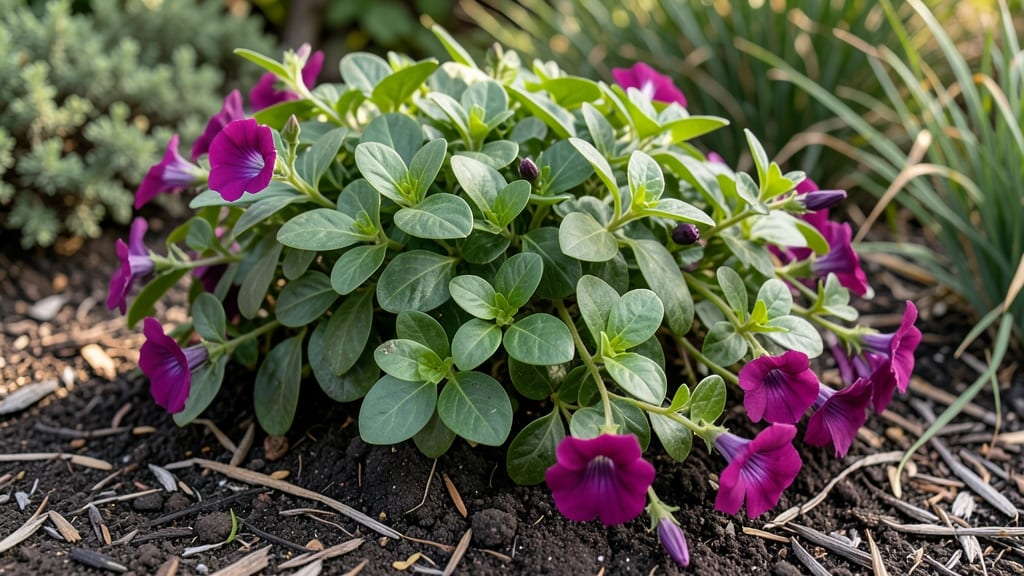
My big leaf periwinkle transformed my shady yard from a weed battleground to a lush, low-maintenance carpet—and it’s doing the same for neighbors who’ve tried everything else. The secret lies in its relentless spread, thick mat of leaves, and ability to outcompete weeds without chemicals.
I planted mine last spring, and by summer, it had filled a 4×6-foot area completely, leaving not a single weed in sight.
This ground cover thrives where others fail: partial to full shade, moist but well-drained soil, and zero fuss once established. You’ll need 3-4 plants per square foot for that dense, weed-blocking effect, and they’ll reward you with purple blooms in spring that attract pollinators.
The best part? It handles foot traffic, drought once rooted, and even survives light frost—making it the ultimate no-work garden solution.
By late summer, you’ll have a velvety green blanket that stays vibrant all year, smothers weeds naturally, and requires no mowing, no fertilizing, and no backbreaking weeding.
The only maintenance is occasional trimming to keep it tidy, and even that’s optional. Once it’s established, it’s basically set-and-forget perfection for shady spots.
Perfect for under trees, along slopes, or as a living mulch around shrubs—it’s the ground cover that finally makes sense. Here’s how to get started without the usual headaches.
📚 In This Guide
- What you need
- Instructions
- Tips and common mistakes
- Wrapping up and next steps
What you need
- ● Big leaf periwinkle plants: 6–12 plants (depending on coverage area; space 12–18 inches apart).
- ○ Optional: Seeds (if starting from scratch, though cuttings or transplants are faster).
- ● Soil: Well-draining, slightly acidic to neutral (pH 6.0–7.0). Mix in 1–2 inches of compost for nutrient-rich soil.
- ● Mulch: 2–3 inches of organic mulch (e.g., shredded bark or pine straw) to retain moisture and suppress weeds.
- ● Garden trowel or transplant spade (for digging small holes).
- ● Garden gloves (to protect your hands from soil and thorns, if present).
- ● Watering can or hose with a gentle spray nozzle.
- ○ Optional: Pruners (for trimming established plants or shaping growth).
- ○ Optional: Soil pH test kit (to ensure optimal growing conditions).
- ● Sunlight: Full sun to partial shade (6+ hours of sunlight daily for best results).
- ● Water access: Consistent moisture (especially during the first growing season).
- ● Weed-free area: Clear existing weeds or grass before planting (periwinkle will outcompete them over time!)
- ● Pro tip: 💡 Test your soil’s drainage—periwinkle hates soggy roots!
Step-by-Step instructions for planting and establishing big leaf periwinkle
This hardy ground cover thrives with minimal effort once you nail the first few weeks.
Prepare the Soil for Optimal Growth
Big leaf periwinkle tolerates a wide range of soil types, but it performs best in well-draining, slightly acidic soil with a pH between 6.0 and 7.0. Before planting, remove any existing weeds and loosen the top 6-8 inches of soil with a garden fork or tiller. This creates space for the roots to establish without competing with compacted layers.
If your soil is heavy clay or very sandy, amend it with 2-3 inches of organic matter like compost or well-aged manure. Work it into the top layer to improve moisture retention and nutrient availability. The goal is a loose, crumbly texture that holds moisture but doesn’t stay soggy—periwinkle hates waterlogged roots.
Plant at the Right Time and Spacing
For best results, plant big leaf periwinkle in early spring or early fall when temperatures are mild but not extreme. Space plants 12-18 inches apart in rows 18-24 inches apart to allow for full coverage over time. Dig holes slightly deeper than the root ball to encourage downward growth, which helps the plant establish a strong root system quickly.
Gently remove the plant from its container and place it in the hole, ensuring the top of the root ball sits just below soil level. Fill the hole with soil and press lightly to eliminate air pockets. Water deeply immediately after planting to settle the soil and remove any air gaps around the roots. You’ll know it’s right when the soil surface looks slightly firm but not compacted.
Water Consistently During Establishment
Keep the soil evenly moist but not soggy for the first 4-6 weeks after planting. Water deeply 2-3 times per week, depending on rainfall, until the plants show signs of vigorous growth—look for new leaves emerging along the stems and a slight darkening of the foliage. Overwatering can lead to root rot, while underwatering stresses the plant and slows spread.
Once established, big leaf periwinkle becomes drought-tolerant, but young plants need consistent moisture to develop a strong root system. You’ll see the first signs of success when the plants begin to fill in gaps between rows and produce small purple flowers in late spring or early summer. This indicates the plant is thriving and ready for less frequent watering.
Maintain and Encourage Spread
Big leaf periwinkle spreads aggressively through both runners and self-seeding, making it an excellent weed suppressor. Once established, it requires minimal maintenance—just occasional trimming to keep it tidy. If the foliage looks leggy or sparse, trim back one-third of the plant in early spring to encourage bushier growth and more vibrant color.
To prevent it from spreading into areas where you don’t want it, install edging or a barrier like landscape fabric along the perimeter. If you’re using it in a large area, you can also mow it back lightly in late summer to control height and density. The key is to let it grow naturally—this ground cover does most of the work for you once it’s settled in.
Tips & tricks for perfect big leaf periwinkle establishment
Transforming your yard into a weed-free paraday starts with these game-changing insights about big leaf periwinkle's unique growing habits.
Soil Preparation Secret: The 6-8 inch soil loosening in Step 1 isn't just about aeration—it's about creating a root-friendly environment. Use a broadfork to break up compacted layers without disturbing the soil structure too much. For clay soils, mix in 2-3 inches of coarse sand with your compost to improve drainage while maintaining moisture. This two-part amendment strategy prevents both waterlogging and drought stress during those critical first 4-6 weeks.
Planting Depth Precision: When you're planting in Step 2, that "just below soil level" guideline matters more than you might think. The top of the root ball should sit about 1/4 inch below finished soil level. This subtle adjustment prevents stem rot while encouraging strong root development downward. I've seen plants struggle when buried too deep—roots suffocate, while those planted too high dry out faster.
Watering Wisdom: The 2-3 times per week guideline in Step 3 works perfectly in moderate climates, but adjust for your conditions. In hotter regions, water every other day until new growth appears. The key visual cue is soil moisture—stick your finger 2 inches down; if it's dry, it's time to water. Morning watering prevents fungal issues, and always water at the base to keep foliage dry.
Spread Management: For controlling aggressive spread mentioned in Step 4, install your edging 6 inches deep to prevent underground runners from escaping. If you're using landscape fabric, leave 12-18 inch gaps between plants to allow natural spread within your desired area. The plant's self-seeding habit means you'll get natural regeneration even if you trim back too aggressively.
Pro Tips for Big Leaf Periwinkle
- Transforming your yard into a weed-free paraday starts with these game-changing insights about big leaf periwinkle's unique growing habits.
- Soil Preparation Secret: The 6-8 inch soil loosening in Step 1 isn't just about aeration—it's about creating a root-friendly environment.
- Planting Depth Precision: When you're planting in Step 2, that "just below soil level" guideline matters more than you might think.
Frequently asked questions
Got questions about big leaf periwinkle? You’re not alone! Here are answers to common concerns to help you grow this resilient ground cover with confidence.
Is big leaf periwinkle invasive?
While it spreads aggressively, Vinca major is not classified as invasive in most U.S. states—unlike creeping charlie or kudzu. However, it can outcompete delicate plants in gardens. Contain it with edging or plant where its spread won’t disrupt other vegetation. Always check local regulations before planting!
How long does it take to establish and smother weeds?
Big leaf periwinkle grows moderately fast—expect full coverage in 1–2 seasons under ideal conditions (sun to partial shade, consistent moisture). Weed suppression kicks in once the foliage densely mats (usually by late spring of year one). Pro tip: Mow or trim back leggy stems in early spring to encourage bushier growth and faster weed-blocking!
Can I use it under trees or in shady spots?
This plant thrives in partial to full shade, making it perfect for under oak, maple, or pine trees. It tolerates root competition better than many ground covers, though growth may slow in deep shade. Pair it with ferns or hostas for a layered, low-maintenance woodland garden.
Does it attract pests or diseases?
Big leaf periwinkle is highly resistant to pests and diseases, but aphids or spider mites may occasionally appear if stressed (e.g., drought). Solution: Spray with water to dislodge pests or apply neem oil. Overwatering can cause root rot, so ensure well-draining soil. Yellowing leaves? Check for powdery mildew—improve airflow by thinning dense patches.
What’s a good alternative if I want something edible?
If you’d like a weed-smothering, edible option, consider:
- Creeping thyme (drought-tolerant, culinary uses)
- Clover (white Dutch clover) (nitrogen-fixing, bee-friendly)
- Oregano or mint (aggressive spreaders, kitchen staples)
Wrapping up and next steps
Big leaf periwinkle is your low-maintenance, weed-smothering superstar—perfect for transforming bare spots into lush, green carpets year-round! 🌿 With its hardy nature, drought tolerance, and natural pest resistance, it’s a dream for gardeners who want beauty and ease.
Whether you’re tackling weeds, preventing erosion, or adding texture to your landscape, this plant delivers serious results with minimal effort.
Ready to take the next step? Grab your supplies, pick a sunny or partially shaded spot, and get planting! Start small—even a 3x3-foot patch can make a huge difference. Happy gardening! 🌱