
Leaf Blower
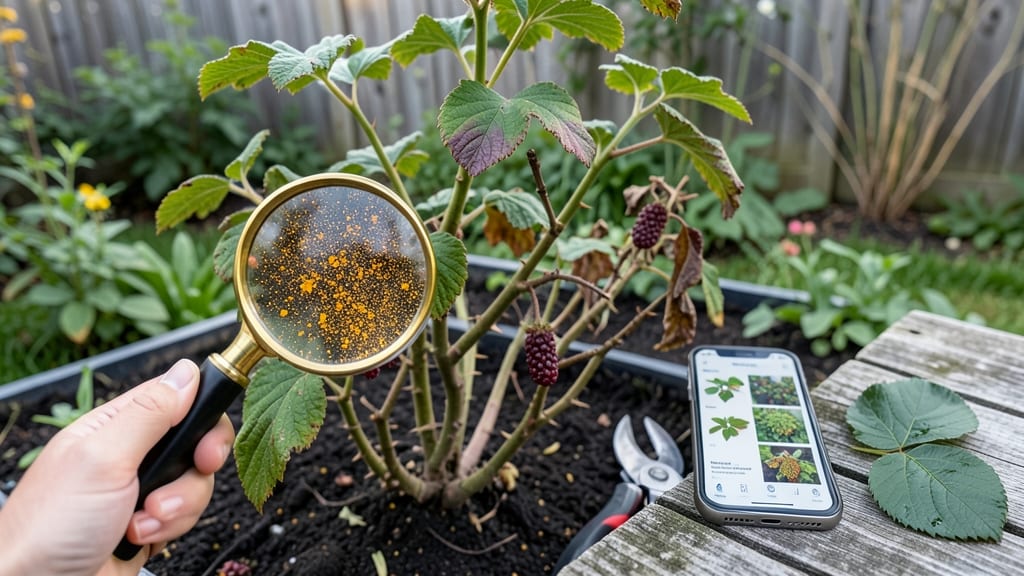
Blackberry leaf rust turns your thriving bushes into yellowing, weak shadows by summer. 🌿 I’ve battled this stubborn fungus for years—until I discovered the organic spray shield that keeps my canes lush and productive. The key isn’t just treating symptoms but stopping the spores before they spread.
This rust starts as tiny orange pustules on leaves, then spreads like wildfire when humidity hits. Most gardeners panic and grab chemical sprays, but that’s a short-term fix.
My foolproof organic approach uses copper fungicide (safe for bees) and neem oil, applied at the right times to break the disease cycle completely.
By mid-season, your plants will look healthier than ever—no more defoliation, no stunted berries. The spray works on existing infections too, not just prevention. You’ll harvest sweeter, larger berries because the plant isn’t fighting for survival.
Works for all blackberry varieties, from thornless to wild types. The secret? Timing—spray before buds swell in spring, then again after harvest. No more rust, no more wasted canes. Let’s get your bushes back in fighting shape.
Root Causes Of Fungal Spread
Blackberry leaf rust isn’t just a random misfortune—it’s a highly predictable fungal infection triggered by specific conditions. Understanding these causes is the first step to stopping the spread before it ruins your harvest.
Below, we break down the science behind why this disease takes hold, so you can prevent it with confidence.
Leaf rust is caused by the fungus Kuehneola uredinis, which spreads via microscopic spores. These spores are lightweight and airborne, carried by wind, rain, or even garden tools.
Once they land on a blackberry leaf, they germinate under the right conditions—often within just 24 hours—and begin feeding on plant tissues.
Key triggers:
- 🌬️ Wind currents: Spores travel long distances, infecting new plants in your patch—or even neighboring yards.
- 💧 Rain splashes: Water droplets act like tiny catapults, hurling spores onto leaves.
- 🛠️ Contaminated tools: Pruners, rakes, or even your hands can transfer spores from infected to healthy plants.
Pro tip: 💡 Remove and destroy infected leaves immediately to cut off the spore supply. Never compost them—burn or bag them instead.
The fungus thrives in humid, warm conditions—think of it as a tropical vacation for spores. Ideal conditions for rust include:
Why it matters: Rust spores can’t survive extreme heat or drought, but consistent warmth + moisture = rust explosion. Monitor your local weather and act fast during these windows. Blackberries grown too densely or in shaded areas create perfect hiding spots for rust. Without proper airflow:
Fix it: 🌿 Prune canes to open up the plant, ensuring sunlight and air reach all leaves. Space new plants 3–4 feet apart for better ventilation. Stressed blackberries are like open invitations to rust. Common stressors include:
Boost defenses: 💪 Use balanced organic fertilizer (like compost tea) and neem oil to strengthen plants before rust season peaks. Now that you know why rust strikes, the next step is how to stop it in its tracks. Stay tuned for organic spray solutions that shield your blackberries naturally!
Fixing Fungal Foliage Foes
Blackberry leaf rust may feel like a stubborn opponent, but with the right strategies, you can reclaim your plants’ health—without harsh chemicals. Below, we break down targeted fixes based on the root causes of rust, plus preventive steps to keep your bushes thriving.
Think of this as your organic battle plan for a rust-free harvest!
Cause: Rust spores spread faster when left on the plant. Fix:
- 🔥 Snip and Toss: Use sterilized pruners (wipe with rubbing alcohol) to cut off yellow-orange spots and entire infected leaves. Dispose of them in the trash—not the compost—to prevent spore survival.
- 🌬️ Boost Airflow: Thin out dense canes to improve circulation. Rust thrives in shady, humid spots, so 3–4 feet of spacing between plants helps.
- 💡 Pro Tip: Work on dry, sunny days—wet leaves make spores stickier and spread faster.
Cause: Fungal spores linger in soil and air, waiting for the right conditions. Fix:
- 🍳 Homemade Sprays (Preventative):
- Baking Soda Mix: 1 tbsp baking soda + 1 tsp dish soap + 1 gallon water. Spray every 7–10 days (especially after rain).
- Neem Oil: 2 tbsp neem oil + 1 tsp horticultural oil + 1 gallon water. Shake well and apply at dusk to avoid leaf burn.
- Copper Fungicide (Mild): Use copper soap (like Copper Septicide) as a last-resort spray—follow label rates for safety.
- ⏰ Timing Matters: Start spraying before rust appears (early spring) and repeat after rain.
Cause: Weak plants are easier targets for rust. Fix:
- 🥗 Feed the Soil: Rust-laden plants often suffer from nutrient deficiencies. Amend soil with:
- Compost (for organic matter)
- Balanced fertilizer (10-10-10) in early spring
- Epsom salt (1 tbsp per gallon of water) for magnesium (rust loves stressed plants!)
- 💪 Prune for Health: Remove dead or weak canes in late winter to reduce rust entry points.
- 🎯 Choose Resistant Varieties: If rust is chronic, switch to rust-resistant blackberry cultivars like ‘Arapaho’ or ‘Cheyenne’.
Cause: Overhead watering splashes spores onto leaves. Fix:
- 👨🍳 Drip Irrigation Wins: Water at the base (not leaves) to keep foliage dry.
- 🌡️ Water Early: If you must water overhead, do it before 10 AM so leaves dry quickly.
- 💡 Pro Tip: Mulch with straw (2–3 inches) to reduce soil splash and retain moisture without wet leaves.
Stop rust before it starts with these easy habits: ✅ Rotate crops—don’t plant blackberries in the same spot yearly (rust spores persist in soil). ✅ Clean tools after pruning (rust spores hitchhike on blades!). ✅ Monitor nearby plants—rust can jump from raspberries, roses, or mulberries. ✅ Encourage predators—ladybugs and lacewings (natural pest controllers) help keep fungal pressure low.
Final Note: Rust may seem relentless, but consistency is key. Combine removal, organic sprays, and plant care, and you’ll outsmart the fungus—not the other way around! 🚀
Frequently asked questions about blackberry leaf rust
What do blackberry rust spots look like on leaves?
Blackberry leaf rust starts as tiny, bright orange-yellow pustules on leaf undersides. As it spreads, these spots turn brown and may appear on leaf tops too. Infected leaves often yellow, curl, or drop prematurely—especially during humid weather.
Can I use vinegar spray to treat blackberry rust?
No, vinegar spray isn't effective against rust. Vinegar (acetic acid) can actually harm plant tissues and won't kill fungal spores. Instead, use copper fungicide or baking soda mix—both are safer and more effective for organic control.
How often should I apply neem oil for rust prevention?
Apply neem oil every 7-14 days during rust season (spring to early summer). For best results, mix 2 tablespoons neem oil with 1 teaspoon horticultural oil and 1 gallon water, then spray at dusk to avoid leaf burn.
Will rust on blackberry leaves affect my berry harvest?
Yes, severe rust can reduce fruit quality and quantity. Infected plants may produce smaller, less flavorful berries or drop fruit early. The fungus weakens the plant, diverting energy from berry production to leaf repair.
Can I save my blackberry plants if they're already heavily infected?
With aggressive treatment, you can recover plants—but act fast. Remove all infected leaves immediately, apply copper fungicide, and improve airflow. For next year, plant rust-resistant varieties like 'Arapaho' to prevent recurrence.