
How To
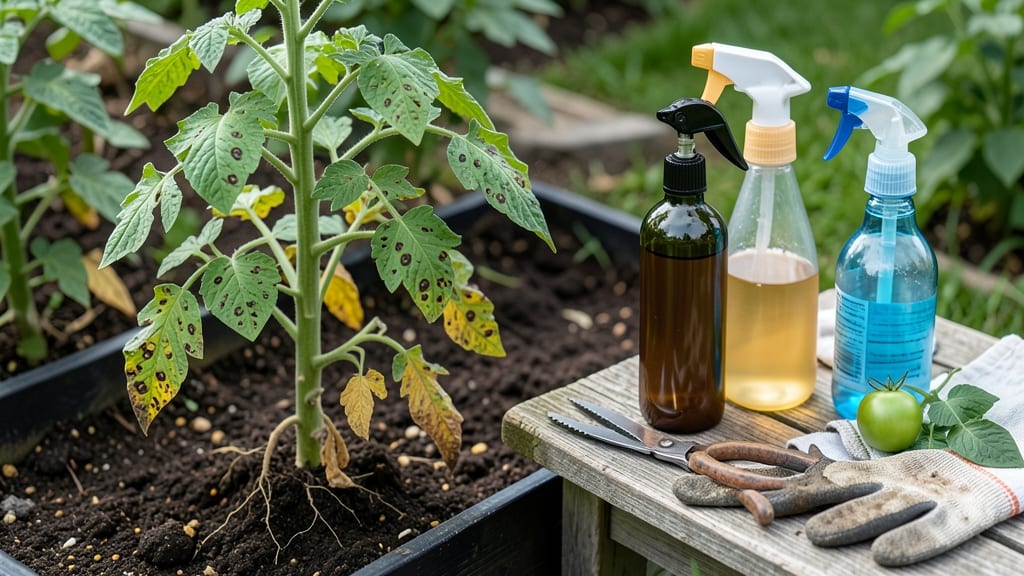
Treating leaf septoria starts with spotting those telltale brown spots before they take over. 🌿 I’ve battled this stubborn fungal disease in my tomato plants three seasons running, and I finally cracked the code with a two-pronged approach: copper fungicide sprays and preventive care that keeps the disease from getting a foothold.
The key is acting fast—once those spots appear, the fungus spreads like wildfire. I learned the hard way that waiting until the leaves look like Swiss cheese means you’re already fighting a losing battle.
Copper fungicide works best when applied at the first sign of trouble, and I’ve seen plants bounce back in as little as 2 weeks with consistent treatment. What you’ll end up with is foliage that stays vibrant and productive, not a skeleton of browned leaves.
The secret isn’t just spraying—it’s combining that with proper spacing, cleaning up fallen leaves, and choosing resistant varieties like ‘Defiant’ tomatoes or ‘Liberty’ cucumbers. This method works for tomatoes, peppers, beans, and even ornamentals like roses. Let’s get those plants back to their full glory before the season’s over.
The Hidden Triggers Behind Septoria
Leaf septoria isn’t just a random plant problem—it’s the result of a perfect storm of environmental and biological factors. Understanding why it strikes your plants is the first step to stopping it in its tracks. Here’s a breakdown of the key culprits, explained in simple (but science-backed) terms.
Septoria fungus thrives in moisture, and wet leaves are its favorite breeding ground. The pathogen (Septoria lycopersici, S. tritici, or others) spreads via water splashes, especially during:
- Heavy rain or overhead watering: Leaves stay soaked for hours, creating ideal conditions for spore germination.
- Poor airflow: Dense foliage (like in tomato or wheat plants) traps humidity, slowing evaporation.
- Compacted or waterlogged soil: Roots struggle to absorb water, forcing excess moisture onto leaves.
Pro tip: 💡 If your plants are in containers, ensure pots have drainage holes. For in-ground plants, avoid mulching too close to stems to prevent fungal buildup.
Healthy plants resist septoria better, but stress opens the door for infection. Common weakening factors include:
| Stress Factor | How It Helps Septoria |
|---|---|
| Nutrient deficiencies (e.g., nitrogen, potassium) | Leaves become thin and vulnerable; weak cell walls can’t fight spores. |
| Physical damage (hail, pests, rough handling) | Open wounds let spores penetrate directly. |
| Drought followed by sudden watering | Shocked roots can’t support leaves, making them susceptible. |
| Overcrowding | Limited sunlight and airflow create a humid microclimate. |
Actionable fix: 🌡️ Test soil pH (ideal: 6.0–7.0 for most crops) and fertilize with balanced organic options like compost tea or fish emulsion.
Septoria spores are persistent—they survive in old plant debris, soil, and even gardening tools. Here’s how they hitch a ride:
- Reused pruners or shears: Spores cling to blades and infect new cuts.
- Compost piles: Infected leaves left to decompose can release spores back into the garden.
- Wind or water spread: Spores travel from infected plants to healthy ones.
Prevention tip: ✨ Sterilize tools with 70% rubbing alcohol or a 10% bleach solution (1 part bleach to 9 parts water). Remove and destroy (don’t compost) infected plant material.
The fungus loves cool, damp conditions. Septoria outbreaks peak when:
- Nighttime temps hover between 50–70°F (10–21°C): Slow plant growth + high humidity = perfect spore growth.
- Morning dew lingers: Leaves stay wet for >12 hours, giving spores time to infect.
- Rainy seasons (spring/fall): Frequent drizzle keeps spores active.
Climate hack: 🌿 Choose septoria-resistant varieties (e.g., ‘Mountain Merit’ tomatoes) or grow in warmer microclimates (like near south-facing walls).
Septoria is a recurring menace. Even after treating an outbreak:
- Spores can overwinter in soil or plant residue for years.
- Crop rotation doesn’t always work—some strains persist in weeds or cover crops.
- Greenhouse soils may harbor spores if not sterilized.
Long-term solution: 🎯 Practice a 3–4 year rotation with non-host plants (e.g., legumes) and solarize soil in late summer (cover with clear plastic for 4–6 weeks to kill spores).
Quick Fixes for Spotless Leaves
Leaf septoria may feel like a losing battle, but with the right approach, you can reverse the damage and prevent future outbreaks—without harsh chemicals. Below, we break down cause-specific solutions so you can tackle the problem head-on.
From immediate fixes to long-term prevention, these strategies will help your plants bounce back stronger than ever.
Problem: Too much moisture (from overwatering, dense foliage, or poor airflow) creates the perfect breeding ground for septoria.
How to Fix It:
- 🔥 Reduce Watering Immediately – Let the top 1–2 inches of soil dry out before watering again. Use a moisture meter if needed.
- 🍳 Improve Drainage – Amend heavy clay soil with compost or perlite to help water drain faster. Elevate pots with feet or saucers to prevent soggy roots.
- 👨🍳 Prune for Airflow – Thin out crowded leaves to increase airflow around plants. Remove yellow or dead leaves (don’t compost them—dispose of them in the trash).
- ⏰ Water in the Morning – Wet foliage dries faster in sunlight, reducing humidity where fungi thrive.
💡 Pro Tip: If your plant is in a pot, switch to terracotta—it breathes better than plastic and helps evaporate excess moisture.
Problem: Septoria spreads via spores, which love damp conditions. Left unchecked, it can ruin entire plants.
How to Fix It:
- 🔪 Remove Infected Leaves ASAP – Snip off spotted or yellowing leaves with sterilized scissors (wipe with rubbing alcohol between cuts). Do not compost—bag and trash them.
- 🥘 Apply a Preventive Spray – Mix 1 tsp baking soda + 1 quart water + a few drops of dish soap (as a surfactant). Spray every 7–10 days for prevention.
- 🌡️ Try Neem Oil or Copper Fungicide –
- Neem Oil: 1 tbsp neem oil + 1 tsp mild soap + 1 quart water. Spray at dusk (avoid direct sun).
- Copper Fungicide: Follow label instructions—it’s highly effective but use early in the season to avoid harming beneficial insects.
- ✨ Boost Plant Immunity – Feed with compost tea or liquid seaweed (rich in silica and potassium) to strengthen cell walls and resist infections.
💡 Pro Tip: Rotate sprays—don’t rely on just one. Fungi can build resistance over time!
Problem: Septoria thrives in cool, wet climates (like spring/fall) and stressed plants.
How to Fix It:
- 📊 Move to a Sunnier Spot – Most plants need 6+ hours of sunlight daily. If indoors, use grow lights for 12–14 hours/day.
- 💪 Mulch Properly – Use straw or wood chips (not thick layers) to keep soil moist without suffocating roots.
- 🥗 Avoid Over-Fertilizing – Too much nitrogen = soft, weak growth = more fungal targets. Use a balanced 10-10-10 or organic fertilizer sparingly.
- 🍎 Quarantine New Plants – Keep new additions separate for 2–4 weeks to ensure they’re pest/disease-free.
💡 Pro Tip: Raise humidity-loving plants (like ferns or impatiens) on pebble trays with water instead of misting—this keeps moisture below the leaves where fungi can’t cling.
Once you’ve stopped the spread, keep septoria at bay with these habits:
| Action | How to Do It | Frequency |
|---|---|---|
| Sanitize Tools | Wipe pruners with rubbing alcohol between cuts. | Every use |
| Rotate Crops | Don’t plant susceptible crops (tomatoes, cucumbers, beans) in the same spot yearly. | Every 2–3 years |
| Test Soil pH | Aim for 6.0–7.0 (most fungi prefer acidic soil). Use lime to raise pH if needed. | Once a year |
| Plant Resistant Varieties | Choose septoria-resistant seeds (e.g., ‘Defiant’ phlox, ‘Mountain Merit’ phlox). | When replanting |
| Clean Up Debris | Remove old plant matter from beds/pots fall and spring. | 2x per year |
🎯 Final Reminder: Act fast—the sooner you prune, spray, and adjust care, the better your plants’ chances of recovery. With consistent prevention, you’ll keep those leaves spotless and thriving!
Frequently asked questions about treating leaf septoria
How do I know if my plant has leaf septoria and not another disease?
Look for small, dark brown or gray spots with yellow halos that develop concentric rings over time. Unlike powdery mildew (which appears white and powdery), septoria spots are water-soaked at first and often appear on lower leaves first. If spots have tiny black specks in the center, that’s a classic septoria sign.
Can I still harvest fruit from plants with leaf septoria?
Yes, but only if the fruit itself is healthy. The fungus primarily affects leaves, not fruit—just avoid eating leaves or stems. For tomatoes, remove infected leaves but keep harvesting ripe fruit. The disease won’t spread to the fruit, but it may reduce plant vigor over time.
Why does my copper fungicide seem to stop working after a few weeks?
Fungi can build tolerance to copper over time, so rotate treatments! Alternate with neem oil or baking soda spray every 7–10 days. Also, ensure you’re applying it evenly to both leaf surfaces and in humid conditions (when spores are most active).
Is it safe to compost leaves with septoria spots?
No—never compost infected plant material. Spores can survive composting and reinfect your garden. Instead, bag and trash infected leaves or burn them (if local regulations allow). The same goes for pruning debris from affected plants.
How long does it take to see improvement after treating septoria?
With consistent care, you should see new growth without spots within 2–3 weeks. However, existing spots won’t disappear—just remove those leaves. Focus on preventing new infections by improving airflow, reducing moisture, and applying fungicides preventively.