
Leaf Blower
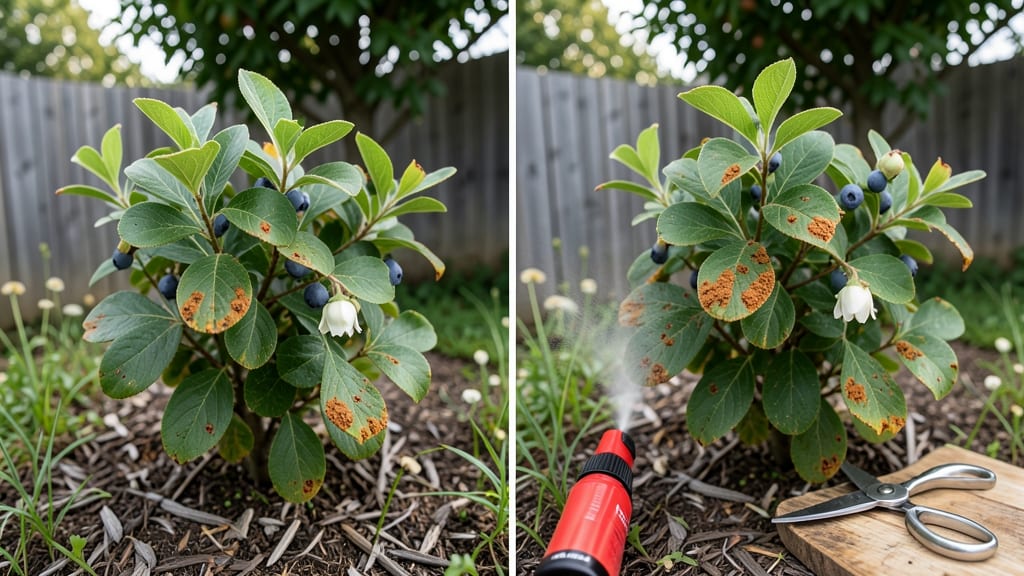
Those rust-colored spots on your blueberry leaves aren’t just ugly—they’re stealing your harvest. 🌿 Blueberry leaf rust turns vibrant foliage into a patchwork of orange pustules, stunting growth and reducing fruit production by up to 50%.
But here’s the good news: copper spray isn’t just a cure—it’s a preventative powerhouse when used right.
The fungus thrives in damp, shady conditions, so proper spacing and airflow are your first line of defense. I’ve seen entire bushes recover after just two applications of homemade copper fungicide—no chemicals, no fuss.
The key is timing: spray before buds swell in early spring, then again after harvest when leaves are dry.
By mid-summer, your bushes will look like they’ve been given a second chance—thick, green leaves and branches heavy with berries. The copper builds up in the plant over time, making it harder for the fungus to take hold again. Plus, it’s safe for bees and other pollinators once fully dry.
For stubborn cases, pair copper with a 3-foot pruning of infected branches (sterilize tools with rubbing alcohol between cuts). Resistant varieties like ‘Duke’ or ‘Bluecrop’ can also cut future risks. Let’s get those bushes back to producing like champs.
Root Causes Of Fungal Spots
Fungal infections like blueberry leaf rust don’t just appear out of thin air—they thrive when specific conditions align. Understanding these triggers helps you take proactive steps to protect your blueberries. Below, we break down the key factors that turn your bushes into a fungal buffet.
Fungi love moisture—too much of it is their favorite breeding ground. Blueberry leaf rust spores germinate and spread rapidly when leaves stay wet for extended periods. Here’s why:
- Prolonged leaf wetness: Even light rain or morning dew can keep leaves damp for hours, giving fungal spores the perfect environment to colonize. Blueberry leaf rust thrives in conditions where leaves remain wet for 6+ hours daily.
- Poor airflow: Dense canopies or overcrowded bushes trap humidity, creating a greenhouse effect. Fungi spread faster in stagnant, moist air.
- Irrigation habits: Overhead watering (especially in the evening) can drench foliage, mimicking a fungal spa for spores. Drip irrigation at the base is a game-changer.
Actionable fix: Space plants for airflow, water early in the day, and prune to open the canopy. 🌿
Fungal spores are everywhere—in soil, wind, and even on nearby plants. But they only cause trouble when they find the right host (your blueberries) and conditions. Here’s how spores become a problem:
- Windborne spores: Rust fungi can hitch rides on wind currents, traveling miles to infect new bushes. Southern rust strains are especially aggressive and mobile.
- Surviving debris: Infected leaves or canes left on the ground over winter harbor spores, ready to reinfect the next season.
- Contaminated tools: Pruners, rakes, or even your hands can transfer spores from plant to plant.
Actionable fix: Clean tools with 70% rubbing alcohol, remove and destroy infected debris, and consider copper fungicides as a preventive barrier. 🧼
Fungi aren’t fans of cold snaps—they crave warmth and humidity. Blueberry leaf rust peaks when temperatures and moisture levels hit the sweet spot for fungal growth:
- Ideal temperature range: Spores germinate best between 60–75°F (15–24°C). Cooler mornings with warm afternoons create the perfect fungal recipe.
- High humidity: Relative humidity above 75% for prolonged periods signals spores to start feasting on your leaves.
- Seasonal timing: Rust often flares in late spring to early summer, when rain and warmth coincide.
Actionable fix: Monitor weather forecasts and apply copper sprays before rain events. Mulching can also help regulate soil moisture and temperature. 🌦️
A stressed blueberry bush is like an open invitation to fungi. When plants are nutrient-deficient, diseased, or physically damaged, their defenses weaken, making them prime targets:
- Nutrient deficiencies: Low nitrogen or phosphorus weakens leaves, making them more susceptible to infection. Yellowing leaves (chlorosis) are a red flag.
- Competition for resources: Weeds or overcrowded bushes divert nutrients away from foliage, leaving it vulnerable.
- Physical damage: Hail, pests (like spider mites), or rough pruning create entry points for spores.
Actionable fix: Fertilize with a balanced NPK blend, mulch to retain moisture, and prune for airflow. Healthy plants fight off rust better! 💪
Quick Fixes for Fungal Foliage Foes
If your blueberry bushes are battling rusty brown spots or orange pustules on their leaves, don’t panic—there are practical, science-backed ways to restore their health. The key is acting fast, combining remedial treatments with preventive habits to keep your bushes thriving.
Below, we break down solutions by cause and fix, so you can target the problem like a pro.
When soil stays soggy, fungal spores love the damp conditions. Here’s how to dry things out and stop the spread:
🌧️ Step 1: Improve Drainage (Permanent Fix)
- Test your soil: Dig a 6-inch hole near the bush. Fill it with water—if it drains in under 4 hours, you’re good. If not, amend the soil.
- Add organic matter: Mix in compost or peat moss to loosen heavy clay soil. Aim for a 2–3 inch layer around the base.
- Raise beds (if needed): For chronically wet spots, consider elevated planters or mounding soil to improve airflow.
💦 Step 2: Adjust Watering Habits
- Water deeply but less often: Aim for 1–1.5 inches per week, delivered at the base of the plant (not overhead).
- Water in the morning: This gives leaves time to dry, reducing fungal growth.
- Avoid wetting foliage: Use drip irrigation or soaker hoses instead of sprinklers.
🍄 Pro Tip: Fungicide for Extra Protection
- Copper-based sprays (like Copper Soap) are FDA-approved for organic gardens. Apply every 7–10 days during wet seasons.
- Baking soda spray: Mix 1 tsp baking soda + 1 tbsp oil + 1 tsp dish soap in 1 gallon of water. Spray leaves undersides too—rust loves hiding there!
When bushes are overcrowded or nutrient-deficient, they’re more susceptible to fungal attacks. Thin them out and feed them right:
🌿 Step 1: Prune for Airflow
- Remove infected leaves immediately: Drop them in a sealed trash bag (don’t compost them!).
- Thin out branches: Aim for 12–18 inches between bushes to improve airflow. Prune in late winter for best results.
- Space new plants properly: Follow spacing guidelines (4–6 feet apart for most varieties).
💪 Step 2: Boost Plant Health
- Fertilize correctly: Use a balanced, acidic fertilizer (10-10-10 or 8-3-9) in early spring. Avoid over-fertilizing with nitrogen—it encourages soft, rust-prone growth.
- Mulch properly: Apply 2–3 inches of pine bark or straw mulch (keep it 3 inches away from the stem) to retain moisture without suffocating roots.
🌡️ Pro Tip: Strengthen with Beneficial Microbes
- Add mycorrhizal fungi to the soil—these natural allies help plants absorb nutrients and resist stress.
- Compost tea: Brew a homemade compost tea (steep compost in water for 24–48 hours, strain) and use it as a foliar spray monthly.
Caught rust too late? Don’t worry—aggressive action can still save your bushes. Here’s how to turn the tide:
🔪 Step 1: Radical Pruning (If Necessary)
- Severely infected? Cut back 1/3 of the bush, focusing on heavily spotted branches. Sterilize pruners with rubbing alcohol between cuts.
- Burn or bag infected debris: Do NOT leave it in the garden—this prevents reinfection.
💧 Step 2: Emergency Fungicide Treatment
- Neem oil spray: Mix 2 tbsp neem oil + 1 tsp mild soap in 1 gallon of water. Spray every 5–7 days until new growth appears.
- Potassium bicarbonate: A less toxic alternative to copper. Use 1–2 tbsp per gallon of water and spray evenly on both leaf sides.
⏰ Pro Tip: Reset the Plant’s Clock
- Give it a “rest”: After treatment, reduce watering slightly for 2 weeks to help the plant recover without stressing it further.
- Monitor for pests: Rust-stressed plants attract aphids or spider mites. Blast them off with water or use insecticidal soap if needed.
Once you’ve treated the issue, lock in those gains with these long-term strategies:
- 🌱 Rotate plantings: Avoid growing blueberries (or other Rubus family plants) in the same spot every year. Rust spores linger in soil!
- 🍂 Clean up annually: Rake and remove all fallen leaves and debris in late fall to starve fungal spores.
- 🌡️ Time your sprays: Apply preventive copper or neem sprays in early spring (before buds swell) and after harvest for double protection.
- 🎯 Choose resistant varieties: If rust is a recurring problem, opt for ‘Duke,’ ‘Bluegold,’ or ‘Top Hat’—these cultivars are more rust-resistant.
With these targeted fixes, your blueberry bushes can bounce back stronger than ever. The key is consistency—fungal diseases don’t disappear overnight, but with patience and the right tools, you’ll have those glossy, rust-free leaves in no time! 🌿✨
Frequently asked questions
What do blueberry leaf rust spots actually look like?
Blueberry leaf rust starts as tiny, yellowish spots that turn orange-brown and powdery as they develop. The undersides of leaves often show rust-colored pustules (like little orange dots) that release spores when touched. Severe cases cause leaves to curl or drop prematurely, leaving bushes weak and fruit production suffering.
Can I still harvest berries if my plants have leaf rust?
Yes, but monitor carefully! While leaf rust primarily affects foliage, it rarely spreads to the fruit itself. However, severely infected bushes may produce smaller yields. Harvest berries as soon as they ripen to prevent birds from spreading spores. Always wash berries thoroughly before eating, even if the leaves look infected.
How often should I apply copper spray for prevention?
For best results, apply copper fungicide 3 times per season:
- Early spring (before buds swell),
- After harvest, and
- During rainy periods. Always spray in the late afternoon when leaves are dry, and avoid spraying when rain is forecasted within 24 hours to maximize effectiveness.
Will pruning infected leaves help stop the spread?
Prune and remove all infected leaves immediately—don’t compost them. The fungus overwinters in fallen leaves, so clean up thoroughly in fall. Sterilize pruners with 70% rubbing alcohol between cuts to prevent spreading spores to healthy branches. Focus on removing leaves with orange pustules first.
Are there blueberry varieties that naturally resist leaf rust?
Yes! Some cultivars are more resistant than others. Try ‘Duke,’ ‘Bluegold,’ or ‘Top Hat’—these varieties show better tolerance. For organic growers, ‘Jersey’ and ‘Patriot’ also handle rust better. If you’re replanting, check with local nurseries for varieties adapted to your climate and rust-prone conditions.