
Leaf Blower
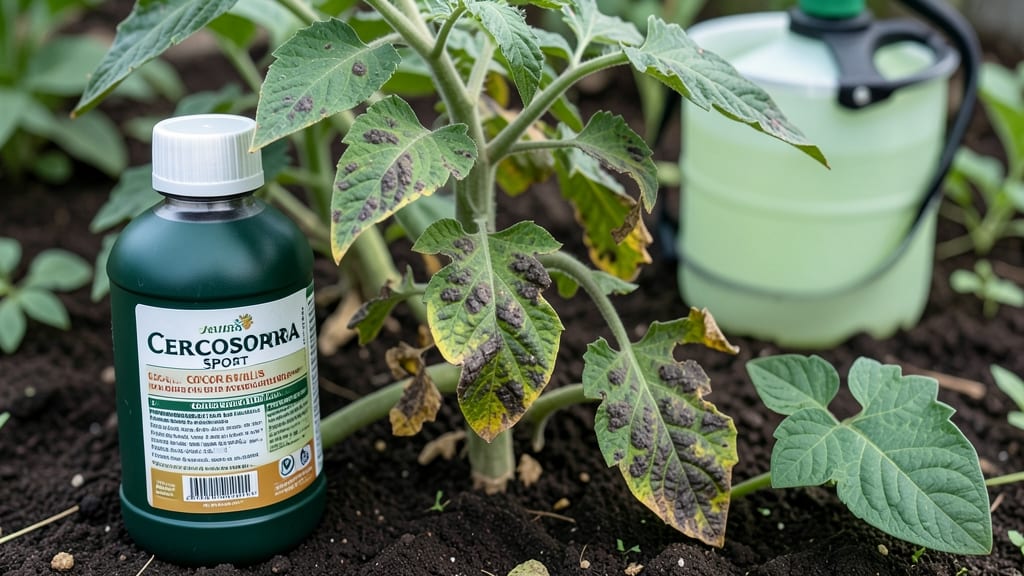
Copper-based fungicides are your secret weapon against those ugly brown spots ruining your tomato leaves. 🌱 I’ve watched Cercospora leaf spot turn lush green plants into sad, spotted messes—until I learned the copper trick that actually stops it in its tracks.
This isn’t just about spraying; it’s about timing, coverage, and knowing when to pull out the big guns.
The problem starts with warm, humid weather—perfect for fungal spores to spread like wildfire. Those dark spots? They’re not just cosmetic; they block sunlight, weaken plants, and if ignored, can wipe out entire harvests.
The good news? Copper fungicides (like Bordeaux mixture or liquid copper sprays) disrupt the fungus’s life cycle, and when applied before the spots appear, they’re shockingly effective.
You’ll see results within days if you catch it early: new growth stays spot-free, leaves stay vibrant, and your plants bounce back like nothing happened. The key is prevention—spray every 7-14 days during humid seasons, especially on undersides of leaves where spores hide.
It’s not a one-and-done fix, but it’s the only thing that’s actually worked for me.
Works for tomatoes, beans, turfgrass, and even ornamental plants—just adjust the concentration based on what you’re treating. And no, you don’t need fancy equipment: a basic sprayer and a little elbow grease do the job. Let’s get those plants fighting back.
Root Causes Of Fungal Spots
Cercospora leaf spot isn’t just a random nuisance—it’s a fungal infection with specific triggers. Understanding why it strikes helps you stop it before it spreads. Here’s a breakdown of the key culprits behind this stubborn plant problem.
The Cercospora fungus thrives in wet conditions, making excess moisture its favorite breeding ground. Here’s how it happens:
- Prolonged leaf wetness: Fungal spores germinate and infect plants when leaves stay damp for more than 6–12 hours (common after heavy rain, overhead watering, or high humidity).
- Poor soil drainage: Waterlogged roots weaken plants, making them more susceptible to fungal invasion. Compacted or clay-heavy soils trap moisture, creating ideal conditions.
- Frequent dew exposure: Early mornings with heavy dew (especially in tropical climates) give spores 24+ hours to colonize leaves before drying out.
Actionable fix: Improve airflow around plants, avoid late-day watering, and test soil drainage. Raised beds or sand amendments can help.
Healthy plants resist Cercospora, but stress opens the door. Common stressors include:
- Nutrient deficiencies: Low nitrogen (N) or potassium (K) weakens cell walls, making leaves easier targets for fungal penetration.
- Physical damage: Pruning wounds, hail, or insect feeding create entry points for spores. Even old, dead leaves harbor fungi that spread upward.
- Overcrowding: Plants competing for sunlight and air retain moisture longer, slowing evaporation and prolonging fungal activity.
Actionable fix: Fertilize with balanced NPK (e.g., 10-10-10), prune properly, and space plants 3–5 feet apart for airflow.
Fungal spores linger on tools, debris, and soil, waiting for the right host. Here’s how contamination spreads:
- Reused pruners/shears: Spores hitchhike on blades, infecting new cuts when you prune. Even sterilizing with bleach misses some spores.
- Infested plant debris: Leaving infected leaves or stems in soil or compost lets spores survive for years, reinfecting next season.
- Contaminated soil: Old garden beds or potting mix with dormant fungal spores can reawaken when new susceptible plants are introduced.
Actionable fix: Clean tools with 70% rubbing alcohol, remove all debris, and solarize soil (cover with plastic for 4–6 weeks in summer) to kill spores.
Cercospora loves specific weather patterns. Watch for:
- Warm, humid nights (75–85°F): Spores germinate fastest in this range, while daytime temps stay mild (60–80°F).
- Rainfall + high humidity: Even light rain (0.1 inches) can trigger outbreaks if followed by 3+ days of humidity.
- Sudden temperature swings: Cool nights after hot days stress plants, lowering their resistance.
Actionable fix: Monitor local weather forecasts and apply preventative fungicides (like copper-based sprays) before rain events.
Not all plants are equal—some are high-risk for Cercospora due to genetics or leaf structure:
- Vulnerable crops: Tomatoes, peppers, cucumbers, beans, and sweet potatoes are top targets because their thin, waxy leaves trap moisture.
- Older leaves: Mature foliage sheds spores more easily than young growth. Prune lower leaves first to reduce spread.
- Hybrid vs. heirloom: Some heirloom varieties lack genetic resistance, while modern hybrids may tolerate stress better.
Actionable fix: Choose resistant varieties (e.g., ‘Celebrity’ tomatoes) and rotate crops yearly to starve out soil-borne fungi.
Fixing Fungal Spots Fast
Cercospora leaf spot can turn your lush garden into a patchwork of brown, crinkled leaves—but don’t panic. With the right approach, you can stop the spread, revive damaged plants, and keep future outbreaks at bay.
Below, we break down solutions by cause, from quick fixes to long-term prevention, so you can tackle this fungal foe like a pro. 🌱🛡️
If you’ve spotted Cercospora lesions, act fast. Fungal spores spread like wildfire, so the first step is containment.
- 🔪 Prune the Problem Areas: Use clean, sharp shears to snip off infected leaves and a 1-inch margin of healthy tissue. This stops the fungus from spreading to other parts of the plant.
- 🗑️ Dispose Properly: Don’t compost infected foliage—toss it in the trash (or burn it if local regulations allow). Fungal spores can survive in compost and reinfect your garden.
- 🌧️ Avoid Watering Leaves: Wet leaves create the perfect breeding ground for Cercospora. Water at the base of plants in the early morning so foliage dries quickly.
Copper is a powerhouse against Cercospora because it disrupts the fungus’s cell walls. Here’s how to use it effectively:
- 💧 Spray at the Right Time: Apply a copper fungicide (like copper sulfate or copper hydroxide) when leaves are dry and temperatures are below 85°F (29°C). Heat can burn foliage.
- 🔄 Follow the Schedule: For severe infections, spray every 7–14 days until new growth appears. Prevention sprays (every 2–4 weeks) keep the fungus from returning.
- 🌿 Mix with Baking Soda (Optional): For a DIY boost, add 1 tsp baking soda + a few drops of dish soap per gallon of water to your copper spray. This raises the pH slightly, making it harder for fungi to thrive.
A weak plant is an open invitation for Cercospora. Strengthen your greens with these nutrient and care tweaks:
- 💪 Fertilize Smartly: Use a balanced, low-nitrogen fertilizer (like 10-10-10) to avoid encouraging soft, fungus-loving growth. Focus on phosphorus and potassium for resilience.
- 🌡️ Improve Airflow: Crowded plants trap moisture. Space them out and prune to allow sunlight and air to circulate—fungi hate dry conditions.
- 🍄 Reduce Organic Mulch: Thick mulch layers can hold moisture. Use straw or pine needles instead of wood chips, and keep mulch 2–3 inches away from stems.
Once you’ve treated the infection, lock in your defenses with these long-term strategies:
- 🌱 Rotate Your Crops: If you grow susceptible plants (like cucumbers, beans, or tomatoes) in the same spot yearly, Cercospora spores build up in the soil. Rotate crops every 2–3 years.
- 💡 Solarize the Soil (For Stubborn Cases): In hot climates, cover infested soil with clear plastic for 4–6 weeks to bake out fungal spores. (Check local guidelines first!)
- 🎯 Choose Resistant Varieties: Some plant breeds (like ‘Tyria’ cucumbers or ‘Mountain Merit’ tomatoes) are bred to resist Cercospora. Check seed catalogs for “disease-resistant” labels.
Remember: Consistency is key. Fungal diseases like Cercospora don’t vanish overnight, but with vigilance and the right tools, you’ll keep your garden thriving—spot-free and strong! 🌿✨
Frequently asked questions
Can I use copper fungicide on edible plants like tomatoes?
Yes, copper-based fungicides are safe for edible plants when used correctly. Follow label instructions for application rates and wait 1-3 days before harvesting to ensure residue settles. Copper is a natural mineral that breaks down in the environment, making it a trusted choice for organic gardening.
How often should I apply copper fungicide for prevention?
For prevention, apply copper fungicide every 7-14 days during high-risk periods (warm, humid weather). Start spraying when you see the first signs of leaf spots or when forecast predicts prolonged moisture. Consistency is key—skipping applications lets spores multiply rapidly.
Will copper fungicide work on established Cercospora infections?
Copper helps stop new infections but won't fully reverse existing leaf damage. Remove severely infected leaves immediately and apply copper to prevent further spread. For advanced cases, combine with proper pruning, improved airflow, and soil solarization for best results.
Can I mix copper fungicide with other sprays?
Yes, but test first! Copper mixes well with baking soda solutions (1 tsp baking soda + dish soap per gallon) to enhance effectiveness. Avoid mixing with oil-based sprays or other chemicals that could cause phytotoxicity. Always shake well before spraying and apply to dry foliage.
What's the difference between copper sulfate and copper hydroxide?
Both work against Cercospora, but copper hydroxide is less corrosive to metal tools and safer for plants. Copper sulfate is stronger but requires more careful handling (wear gloves). Hydroxide is often preferred for regular applications, while sulfate works better for severe outbreaks.