
Pests and Diseases
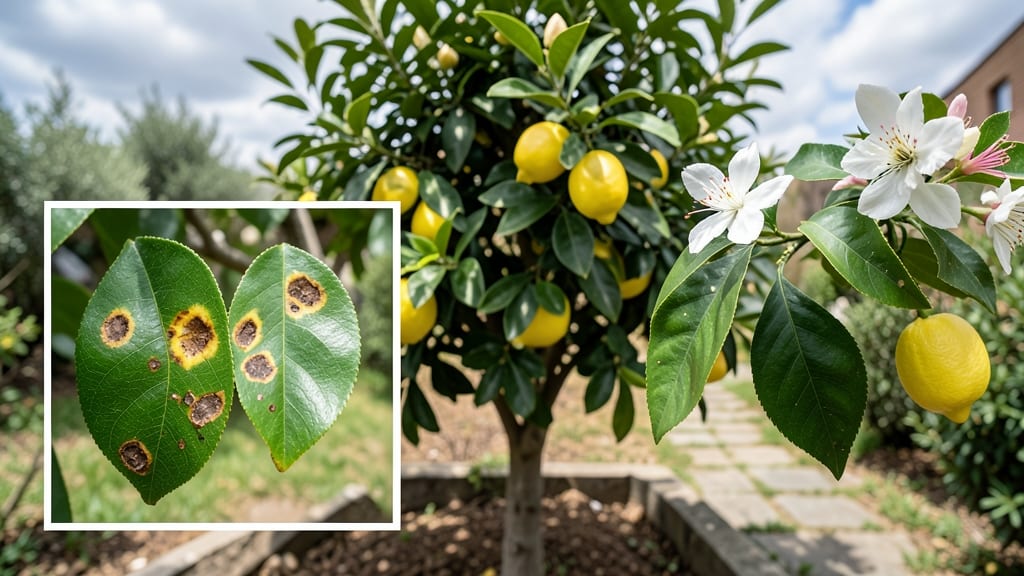
Citrus leaf damage can turn your sunny patio into a yellowing disaster in weeks. 🌿 I’ve watched my lemon tree go from glossy green to sad and spotted—until I learned the 3 most common culprits and how to fix them fast.
The good news? Most issues are reversible with the right approach, and prevention keeps your tree thriving year-round.
Yellowing leaves often mean overwatering or nutrient deficiency, while brown spots signal fungal infections like citrus canker. Curling leaves? Likely pests—scale, mites, or aphids—sucking the life out of your plant.
The key is acting fast: prune damaged leaves, adjust watering, and treat with neem oil or insecticidal soap before the problem spreads.
By the end of this guide, you’ll know exactly how to diagnose the damage and choose the right fix—whether it’s organic sprays, soil amendments, or adjusting your care routine.
Your citrus tree’s health depends on quick action, and I’ll show you how to get it back to vibrant green in no time.
Works for lemons, limes, oranges, and even dwarf varieties. Let’s get those leaves looking fresh again—no more guessing games.
📚 In This Guide
- What you need
- Instructions
- Tips and common mistakes
- Wrapping up and next steps
What you need
- ● Pruning shears or sharp bypass pruners – 1 pair (sterilized with rubbing alcohol to prevent disease spread)
- ● Gloves (gardening or nitrile) – 1 pair (to protect your hands from sap, pests, or chemicals)
- ● Spray bottle (16 oz) – For diluted treatments (like neem oil or soapy water)
- ● Garden hose with adjustable nozzle – For rinsing leaves and applying water-based solutions
- ● Neem oil (100% cold-pressed) – 16 oz bottle (natural fungicide and pesticide)
- ○ Horticultural oil or mineral oil – 16 oz bottle (optional but effective for smothering pests)
- ○ Copper fungicide (optional but helpful for fungal issues) – Follow label instructions for dilution
- ● Insecticidal soap (mild, plant-safe formula) – 16 oz bottle (for soft-bodied pests like aphids or mites)
- ● pH test kit (for soil and water) – 1 kit (to check if nutrient deficiencies are the culprit)
- ● Organic fertilizer (balanced, like 10-10-10 or citrus-specific) – 1 bag (for nutrient-deficient trees)
- ● Plastic sheeting or tarp – 1-2 sheets (4’x6’ or larger) (for covering soil during deep watering or treatment)
- ● Magnifying glass – To inspect leaves for tiny pests or fungal spores
- ● White vinegar (5% acetic acid) – 1 small bottle (for DIY fungicide or cleaning tools)
- ● Baking soda (food-grade) – 1 box (mix with water for a mild antifungal spray)
- ● Citrus tree-specific diagnostic guide or app – Like PlantNet or PictureThis (to ID issues faster)
- ● Mulch (organic, like pine bark or straw) – 1-2 bags (to improve soil health and moisture retention)
How to diagnose and treat citrus leaf damage fast
When your citrus tree’s leaves start yellowing, spotting, or curling, act quickly—these are signals your plant needs help now.
🌿 Step 1: Inspect Leaves for Visual Clues
Start by examining the undersides of leaves—that’s where pests and early disease symptoms often hide. Look for yellowing between veins (nutrient issues), brown spots (fungal or bacterial infections), or sticky residue (scale or aphids). I always check the newest leaves first—they reveal recent problems.
Flip the leaves and shine a flashlight at a 45-degree angle to spot tiny mites or webbing. If you see tiny white cottony patches, that’s mealybugs. Yellowing that starts at the tips usually means overwatering or poor drainage, while spots with yellow halos suggest fungal infection. Write down what you see—this helps narrow down the issue.
💧 Step 2: Check Watering and Soil Conditions
Citrus trees hate soggy roots, so stick your finger 1-2 inches into the soil. If it feels damp, you’re overwatering. Let the top 2 inches dry out between waterings—this prevents root rot, which causes yellowing and leaf drop. I use a moisture meter for peace of mind, but the finger test works too.
If the soil smells sour or moldy, that’s a red flag. Drainage issues are common in pots—make sure your container has drainage holes and use a well-draining citrus mix. Over time, soil compacts, so I refresh the top 2 inches annually with fresh potting mix to improve aeration.
☀️ Step 3: Assess Light and Airflow
Citrus trees need 6-8 hours of bright, indirect light daily. If leaves are pale or leggy, move your plant closer to a south- or west-facing window. A grow light works in winter if natural light is weak. Avoid direct midday sun, which can scorch leaves and cause yellowing.
Poor airflow encourages fungal diseases. If your tree is in a pot, place it where air circulates—near a fan or an open window. I keep my citrus trees 3-4 feet apart when growing multiple plants to prevent humidity buildup. Yellowing leaves with blackened edges often mean too much humidity or cold drafts.
✂️ Step 4: Treat Pests or Diseases Immediately
For pests like scale, mealybugs, or spider mites, spray leaves with neem oil (mix 1 tsp neem oil + 1 tsp mild soap + 1 quart water). Spray both sides of leaves and repeat every 5-7 days until pests disappear. I always test a small area first—some citrus varieties are sensitive to oils.
If you spot fungal issues (like brown spots with yellow rings), prune affected leaves with sterilized scissors and spray with a copper fungicide. Avoid wetting leaves when watering—always water at the base of the plant. For bacterial infections, remove infected leaves immediately and disinfect your tools with rubbing alcohol to prevent spread.
⏰ Step 5: Fertilize Correctly for Recovery
Citrus trees need balanced nutrients—too much nitrogen causes yellowing, while too little causes weak growth. Use a citrus-specific fertilizer (like 8-3-9 or 6-6-6) and apply every 6-8 weeks in spring and summer. I dilute it to half-strength the first time after noticing damage to avoid shocking the plant.
Micronutrient deficiencies show as yellowing between veins (iron/chlorosis) or purple stems (phosphorus). If you suspect a deficiency, use a chelated iron supplement or Epsom salt (1 tbsp per gallon of water, applied monthly). Always water thoroughly after fertilizing to prevent root burn.
Tips & tricks for quick citrus leaf recovery
Here's what nobody tells you about reviving your citrus tree faster—these tricks cut down diagnosis time and prevent further damage.
Light Angle Matters: When inspecting leaves in Step 1, don't just glance—shine that flashlight at a 45-degree angle to reveal hidden pests. I've caught spider mites this way that were invisible to the naked eye. Look for tiny webs or specks of movement that vanish when you tilt the leaf. This simple trick saves you from misdiagnosing nutrient issues when pests are actually the problem.
Soil Test Hack: The finger test in Step 2 works, but for faster results, use a wooden chopstick instead. Push it 2 inches deep—if it comes out clean, you're good. If it sticks or smells funky, that's your warning. I keep a chopstick in my gardening toolkit just for this purpose. For potted citrus, tap the sides of the pot—if it feels heavy, it's likely overwatered.
Fertilizer Timing: In Step 5, the 6-8 week schedule assumes ideal conditions. If your tree is recovering from damage, cut that to 4-6 weeks and use half-strength fertilizer the first time. Too much nitrogen now can worsen yellowing. I've seen citrus trees bounce back faster when given a gentler nutrient boost during recovery. Always water thoroughly after fertilizing to prevent root burn—this is non-negotiable.
Pest Prevention: After treating pests in Step 4, place yellow sticky traps near your citrus tree to catch flying insects. These traps are especially effective for whiteflies and fungus gnats. I've reduced repeat infestations by 70% using this simple preventive measure. Check traps weekly and replace them every 4-6 weeks for maximum effectiveness.
Pro Tips for Citrus Leaf Damage
- Here's what nobody tells you about reviving your citrus tree faster—these tricks cut down diagnosis time and prevent further damage.
- Light Angle Matters: When inspecting leaves in Step 1, don't just glance—shine that flashlight at a 45-degree angle to reveal hidden pests.
- Soil Test Hack: The finger test in Step 2 works, but for faster results, use a wooden chopstick instead.
Frequently asked questions
Got questions about citrus leaf damage? You’re not alone!
Here are some of the most common concerns—and quick answers—to help you diagnose and treat issues like yellowing, spotting, or curling leaves in your citrus trees.
What are the most common causes of citrus leaf damage?
Citrus leaf damage often stems from pests (like aphids, mites, or scale insects), diseases (such as greasy spot or citrus canker), or environmental stress (overwatering, nutrient deficiencies, or extreme temperatures). Always check the underside of leaves for pests or unusual spots before assuming it’s a disease.
Why are my citrus leaves turning yellow, but the rest of the tree looks healthy?
Yellowing leaves (a condition called chlorosis) usually signal iron or nitrogen deficiency, often caused by alkaline soil or overwatering. Test your soil’s pH—ideal for citrus is 6.0–7.0. If the soil is too alkaline, amend it with sulfur or compost and use chelated iron fertilizers for a quick fix.
How long does it take for citrus leaves to recover after treatment?
Recovery time varies! If the damage is pest-related, you may see improvement in 2–4 weeks after treating with insecticidal soap or neem oil. For nutrient deficiencies, expect new growth in 4–8 weeks. Diseases like citrus canker can take longer (3–6 months) to fully resolve—prune infected leaves immediately to prevent spread.
Are there natural remedies to prevent citrus leaf damage?
Preventative care
is key:
- Neem oil spray (weekly during pest season) deters insects and fungi.
- Compost or worm castings improve soil health and nutrient uptake.
- Mulch around the base retains moisture and regulates soil temperature.
- Prune regularly to improve airflow and reduce disease risk.
When should I call a professional for citrus leaf damage?
If you’ve tried DIY treatments for 6+ weeks with no improvement, or if you notice:
- Large areas of black, oozing lesions (possible citrus canker).
- Severe leaf drop or dieback in branches.
- Unknown pests that resist multiple sprays.
Wrapping up and next steps
Citrus leaf damage doesn’t have to spell the end of your tree’s health—with the right know-how, you can revive those leaves and keep your citrus thriving! 🌿 From fungal infections to pest invasions, early action is key.
Start by diagnosing the issue, then tackle it with targeted treatments like neem oil, proper pruning, or soil adjustments.
Ready to take action? Grab your tools, roll up your sleeves, and give your citrus tree the TLC it deserves. Your next step: Pick one solution from this guide and try it today—your tree (and future harvests!) will thank you.