
Vegetables
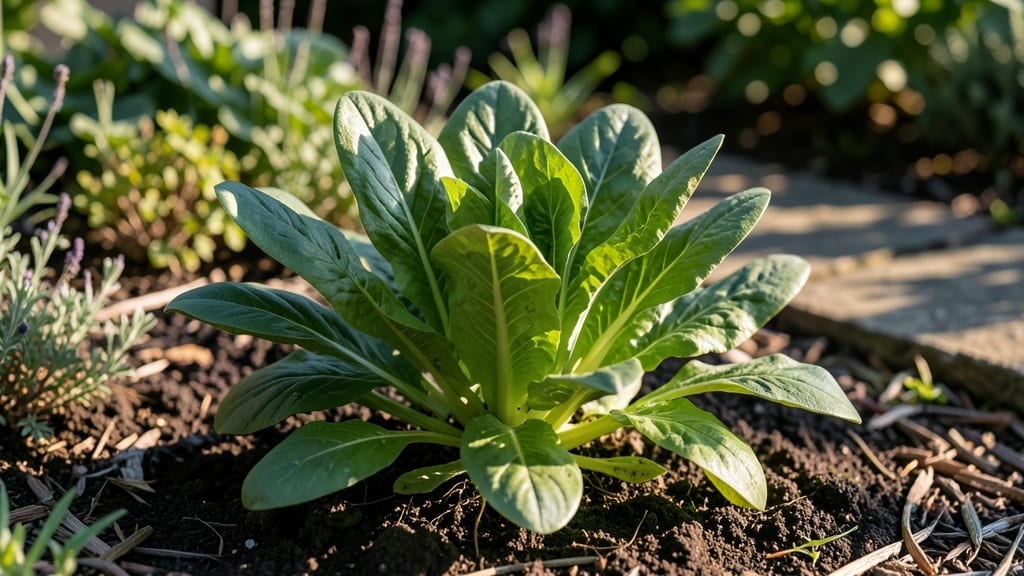
Growing green leaf lettuce is the fastest way to fresh, crisp greens on your table—30 days from seed to harvest. 🌱 I’ve grown this variety for years, and it’s my go-to for quick salads, sandwiches, and even garnishes.
The secret? Cool weather, consistent moisture, and a little shade protection to keep those leaves tight and tender.
You’ll need a sunny spot (or partial shade in hot climates), well-draining soil mixed with compost, and containers or rows spaced 12–18 inches apart. Lettuce thrives in cooler months but can bolt in summer heat—so plan for early spring or fall planting.
Seeds are tiny but fast, sprouting in just 5–7 days if kept moist.
Harvest begins when leaves reach 4–6 inches tall, cutting outer leaves first to encourage regrowth. With proper care, you’ll get multiple harvests before bolting sets in. The flavor? Sweet, crisp, and packed with nutrients—far better than store-bought. Plus, it’s pest-resistant if you keep the area weed-free.
For beginners, this lettuce is foolproof—just avoid overwatering and watch for slugs. If leaves turn bitter, it’s time to harvest or replant. Once you master green leaf, try mixing varieties for a rainbow of colors and textures in your garden.
📚 In This Guide
- What you need
- Instructions
- Tips and common mistakes
- Wrapping up and next steps
What you need
- ● Green leaf lettuce seeds: Choose a fast-maturing variety like 'Black Seeded Simpson' or 'Salad Bowl' (0.5 oz packet covers ~100 sq ft).
- ● Seed-starting mix or potting soil: 1–2 gallons (sterilized, peat-free if possible). Pro tip: Mix in perlite or vermiculite (1 part) for better drainage! 💡
- ● Containers: For seedlings: 2–3-inch biodegradable pots or cell trays (10–20 units).
- ● For transplanting: 6-inch pots or a raised bed (12" deep minimum).
- ● Watering can or spray bottle: With a fine rose nozzle for gentle moisture.
- ● Fertilizer: Balanced organic fertilizer (5-5-5 or compost tea) or slow-release granules.
- ● Gloves: Gardening gloves to protect your hands from soil.
- ● Trowel or small shovel: For transplanting seedlings.
- ○ Row cover or shade cloth (30–50% shade): To protect from intense sun or pests (optional but helpful in hot climates).
- ● Mulch (straw or grass clippings): 1–2 inches thick to retain moisture and suppress weeds.
- ● pH test kit: Ideal soil pH for lettuce is 6.0–7.0 (adjust with lime or sulfur if needed).
- ● Grow lights (LED, full-spectrum): If starting indoors (12–16 hours/day).
- ● Location: Full sun (4–6 hours/day) or partial shade (especially in hot climates).
- ● Temperature: Ideal germination: 60–75°F. Avoid frost if possible.
- ● Space: 12–18 inches between plants for airflow (or 6–8 inches for denser harvests).
- ● Patience: Ready to harvest in 30–40 days (or sooner for baby leaves!).
Step-by-Step instructions for growing green leaf lettuce
Here’s how to grow crisp, flavorful green leaf lettuce in just 30 days—no fancy tools needed.
🌱 Step 1: Prepare the Soil and Planting Site
Lettuce thrives in loose, well-draining soil rich in organic matter. Work in 2-3 inches of compost into the top 6 inches of your garden bed or container mix. Lettuce prefers a slightly acidic to neutral pH (6.0-7.0), so test your soil if possible—amending with sulfur or lime can help if needed.
Choose a spot with partial shade (especially in hot climates) to prevent bolting. If growing in containers, use a 12-inch-deep pot per plant (or 6-inch pots for multiple seedlings). Avoid compacted soil—lettuce roots are shallow and need air to breathe. I like to rake the surface smooth after amending to create a fine seedbed.
💧 Step 2: Sow Seeds at the Right Depth and Spacing
Scatter seeds ¼ inch deep—any deeper and they’ll struggle to break through. Space them ½ inch apart in rows 12 inches apart for full-size plants. For baby leaves, sow more densely (1 inch apart) and harvest earlier. Press seeds gently into the soil with your fingers or the back of a spoon, then cover lightly with a thin layer of soil or compost.
Water immediately after sowing with a fine mist to settle seeds without disturbing them. Keep the soil evenly moist (not soggy) until germination, which takes 5-10 days in 60-70°F soil. Avoid overhead watering once sprouted—damp leaves invite fungal diseases. You’ll see tiny green shoots first, followed by first true leaves (the second set) in about 2 weeks.
☀️ Step 3: Maintain Consistent Moisture and Light
Lettuce hates drying out—water deeply every 2-3 days (or daily in hot weather) to keep the top 1 inch of soil damp. Drip irrigation or soaker hoses work best to avoid wetting foliage. Mulch with 1 inch of straw to retain moisture and suppress weeds. Young plants need 4-6 hours of shade in hot climates to stay crisp.
Thin seedlings to 3-4 inches apart when they have 2-3 true leaves—this prevents overcrowding and bolting. Use scissors to snip unwanted plants at soil level (don’t pull, which disturbs roots). Fertilize lightly with a balanced organic fertilizer (10-10-10) when seedlings are 3 inches tall, but avoid high-nitrogen feeds, which encourage leafy growth at the expense of crispness.
✂️ Step 4: Harvest for Maximum Crispness
Green leaf lettuce is ready in 30-40 days when leaves reach 3-4 inches long. Harvest outer leaves first by cutting just above the base with clean scissors—this encourages regrowth. For baby leaves, harvest when plants are 2-3 inches tall. Always harvest in the morning when leaves are most crisp.
To extend the season, succession-sow seeds every 2 weeks in spring and fall. In summer, provide 30% shade cloth to prevent bolting. If leaves turn bitter, it’s a sign of stress—check for uneven watering or temperature swings (lettuce bolts if exposed to temperatures above 80°F for prolonged periods). With proper care, you’ll get 4-6 harvests per plant before bolting sets in.
Tips & tricks for perfect green leaf lettuce
Took me a while to figure these out, so here goes—your secret weapon for foolproof crisp lettuce every time.
Soil Prep Matters: When amending your soil with 2-3 inches of compost in Step 1, don't just mix it in—create a "compost blanket" on top first. This keeps the roots in the richest layer where they'll thrive. I also recommend adding a handful of worm castings (optional) for extra nutrients—your plants will grow faster and stay crisp longer. The goal is loose, airy soil that holds moisture without compacting.
Seed Depth and Moisture: In Step 2, that ¼-inch depth is critical—any deeper and seeds suffocate. After sowing, I press them in gently with my fingers, then use a spray bottle for that fine mist. The key is keeping the soil evenly moist (not soggy) until germination. I check moisture daily by sticking my finger in—if the top inch feels dry, it's time to water. Overhead watering after sprouting? Big no-no—it invites fungal diseases that can ruin your crop.
Thinning Technique: When thinning seedlings in Step 3 to 3-4 inches apart, use clean scissors to snip at soil level rather than pulling. This prevents disturbing the roots of neighboring plants. I like to do this on a cloudy day to reduce stress on the remaining seedlings. Also, don't fertilize until they're 3 inches tall—young plants can't handle extra nutrients yet. A light hand here prevents bitter flavors and bolting.
Harvesting Strategy: For maximum crispness in Step 4, always harvest in the morning after dew has dried. Use clean scissors to cut just above the base—this encourages regrowth and keeps your plants producing for 4-6 harvests. Pro tip: If you're growing for baby leaves, harvest when plants reach 2-3 inches tall instead of waiting for full size. This gives you multiple harvests from the same planting.
Pro Tips for Green Leaf Letuce
- Took me a while to figure these out, so here goes—your secret weapon for foolproof crisp lettuce every time.
- Soil Prep Matters: When amending your soil with 2-3 inches of compost in Step 1, don't just mix it in—create a "compost blanket" on top first.
- Seed Depth and Moisture: In Step 2, that ¼-inch depth is critical—any deeper and seeds suffocate.
Frequently asked questions
Got questions about growing your own crisp green leaf lettuce?
You’re not alone! Here are some of the most common queries—plus quick, actionable answers to help you grow a thriving harvest in just 30 days.
How often should I water green leaf lettuce?
Keep the soil consistently moist (not soggy!)—about 1 inch of water per week, either from rainfall or irrigation. Lettuce has shallow roots, so water lightly daily in hot weather or every 2–3 days in cooler climates. Mulch helps retain moisture and prevent evaporation. Pro tip: Water in the morning to reduce fungal risks.
Can I grow green leaf lettuce year-round?
Not in most climates! Lettuce thrives in cool seasons (spring/fall)—ideal temps are 45–75°F. In hot summers, it bolts (goes to seed) quickly. For year-round growth, try shade cloth in summer or container gardening in a cooler spot. In warm zones, opt for heat-tolerant varieties like Jericho or Black Seeded Simpson.
What’s the best way to harvest green leaf lettuce?
Harvest leaves from the outer edges using clean scissors or your fingers, leaving the inner growth intact. For a full head, cut the entire plant at the base when leaves are 4–6 inches tall. Rinse gently in cool water, pat dry, and store in a plastic bag with a paper towel in the fridge for up to 1 week. Pro tip: Harvest in the morning for peak crispness!
What should I do if my lettuce turns bitter?
Bitter taste usually means heat stress or bolting. To fix it:
- Move plants to partial shade if temps rise above 75°F.
- Harvest leaves younger (4–5 inches tall) for milder flavor.
- Try succession planting in cooler months or use shade cloth.
Can I substitute green leaf lettuce with another type?
If you’re short on green leaf, try:
- Butterhead or Bibb: Softer, sweeter leaves (great for salads).
- Romaine: Crisp stems, sturdy for wraps or Caesar salads.
- Arugula or Spinach: Peppery kick, faster growth (but bolting is common in heat).
Wrapping up and next steps
Growing green leaf lettuce is a rewarding journey that brings fresh, crisp greens to your plate in just 30 days! With the right conditions—like well-draining soil, consistent moisture, and a sunny spot—you’ll harvest vibrant leaves perfect for salads, sandwiches, or garnishes.
Plus, it’s a beginner-friendly crop that teaches patience and care for your garden.
Now that you’re armed with tips and answers, why not start your own patch today? Grab your seeds, follow the steps, and enjoy the satisfaction of homegrown goodness. Happy gardening! 🌱