
How To
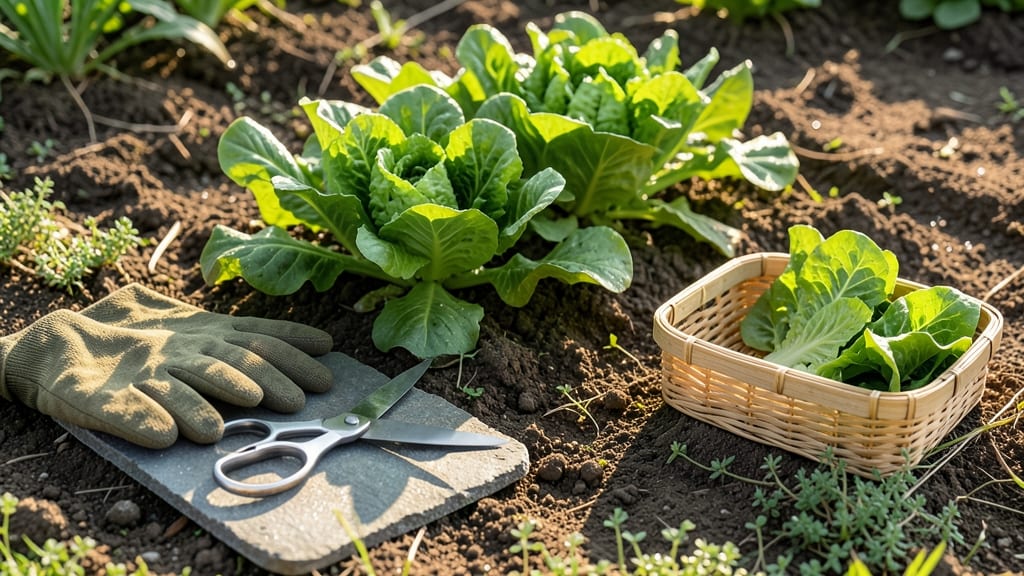
To pick green leaf lettuce at its crispest, watch for leaves that are 4–6 inches long and tightly clustered 🥬—this is when flavor and texture peak.
Nothing beats the crunch of fresh green leaf lettuce—unless it’s wilted, bitter, or slimy. Picking the perfect heads at the peak of freshness ensures crisp stems, vibrant leaves, and a flavor that rivals anything from your garden.
You’ll need just a sharp pair of scissors or clean pruning shears to avoid damaging the plant. Cut just above the base of the outer leaves, leaving the inner growth intact for continuous harvests over weeks.
Below, I’ll walk you through the exact signs of readiness, the best tools for the job, and how to encourage your lettuce to keep producing—so you can enjoy homegrown salads all season.


5 Key signs of fresh green leaf lettuce for perfect selection
When selecting green leaf lettuce, your eyes and fingers are your best tools. Store-bought lettuce often hides quality issues behind plastic wraps, but knowing these 5 key signs helps you pick the crispiest, most flavorful heads every time.
Whether you're harvesting from your garden or choosing at the market, these indicators ensure you get lettuce that's ready to shine in salads or sandwiches.
Fresh lettuce isn't just about avoiding wilted leaves—it's about identifying the peak of flavor and texture. The best lettuce has a perfect balance of moisture, firmness, and vibrant color.
These qualities aren't always obvious, so I'll walk you through exactly what to look (and feel) for to make the best choice.
- 1
- 2
- 3
- 4
- 5
Don't rely on packaging dates or marketing claims—these 5 signs are your real quality indicators. For example, I once picked a head of lettuce at the market that looked perfect on the outside but had mushy stems when I squeezed it.
That's how I learned to trust my fingers over the label!
If you're harvesting from your own garden, these same signs apply. I always pick my green leaf lettuce in the morning when the leaves are cool and crisp. This timing ensures the best flavor and texture, whether you're using it immediately or storing it for later.
One common mistake is assuming larger heads are fresher. Actually, overgrown lettuce often tastes bitter and loses crispness. Aim for medium-sized heads with tight, vibrant leaves—they're the sweet spot for both flavor and texture.
For gardeners, these signs also help you know when to harvest. When my lettuce plants reach 4-6 inches tall with fully formed leaves, I check for these same qualities before cutting. This practice ensures I'm always harvesting at the peak of freshness.
Pro tip: If you're buying pre-washed lettuce, inspect the dryness of the leaves. Pre-washed lettuce should feel dry to the touch after rinsing—if it's still damp, it could spoil faster. For homegrown lettuce, I always pat it dry with a clean towel before storing to extend freshness.
Next time you're selecting lettuce, take a moment to run your fingers over the stems and leaves. Your sensory check will reveal the difference between garden-fresh crispness and store-bought disappointment.
How to store green leaf lettuce to extend freshness beyond purchase
Fresh green leaf lettuce can turn sad and wilted within days if not stored properly. The key to keeping it crisp for up to 2 weeks lies in a few simple but critical steps.
Whether you're harvesting from your garden or buying from the store, these techniques will preserve that perfect crunch and vibrant color.
Start by handling your lettuce gently—rough treatment damages leaves, accelerating spoilage. The first mistake many make is washing lettuce before storage, which traps moisture and encourages rot. Instead, we'll cover a dry washing method that removes dirt while keeping leaves dry and crisp.
Never store lettuce in sealed plastic bags! Trapped moisture causes mold and slimy leaves. Instead, use breathable containers with paper towels to absorb excess humidity.
Pro Tip: If buying pre-washed lettuce, dry it thoroughly with a salad spinner or clean kitchen towel before storing.
For optimal storage, choose the right container. A glass or ceramic container with a loose-fitting lid works best—it allows airflow while keeping out contaminants. Line the container with a paper towel to absorb any condensation that forms during storage.
Temperature control is non-negotiable. Store your lettuce in the crisper drawer of your refrigerator, set to the highest humidity setting (usually around 95-100%). If your fridge lacks a humidity control, place the container on a bed of ice packs to maintain cool temps.
To extend freshness even further, consider partial harvesting. For loose-leaf varieties, pick only the outer leaves you plan to use, leaving the inner growth intact. This method can keep your lettuce producing for weeks while maintaining freshness. For whole heads, wrap them in damp paper towels before storing.
Check your stored lettuce every 3-4 days. Remove any wilted or yellowing leaves immediately—they release ethylene gas, which speeds up spoilage in nearby leaves. With these steps, your green leaf lettuce will stay fresh, crisp, and ready for salads long after purchase.