
How To
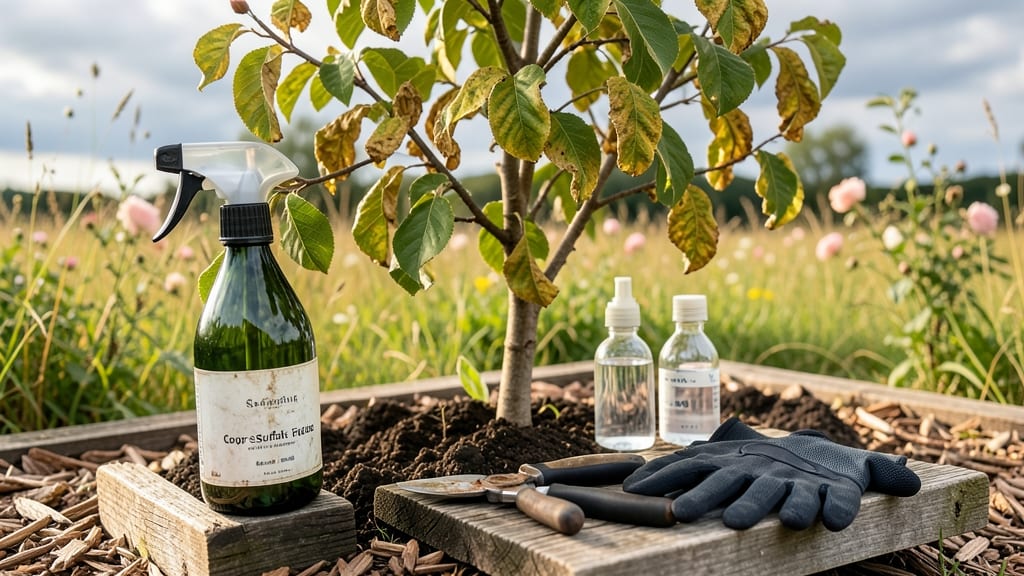
How to treat leaf curl on peach trees can turn your tree’s spring promise into a sad, curled mess—unless you act fast. ✨ I’ve seen this fungus twist delicate new leaves into brittle, useless scraps, but the right pruning and spray schedule can restore your tree’s health in just a few weeks. The key is catching it early and working with nature’s timeline, not against it.
This fungus thrives in wet winters, so timing matters. Prune infected branches in late winter (before buds swell) to remove the worst damage, then apply copper fungicide or horticultural oil as buds begin to open.
Organic options like neem oil work too, but they’re less effective if the infection’s already deep. Think of it like giving your tree a fresh start—clean cuts and a protective shield.
By mid-spring, you’ll see the difference: smooth, vibrant leaves unfurling instead of curled and stunted. The tree recovers faster than you’d expect, and with proper care, it’ll produce fruit just like last year. The secret? Consistency—don’t skip the second spray if rain washes away the first.
This works for home orchards, backyard trees, and even container-grown peaches. The same principles apply whether you’ve got one tree or a grove. Let’s get your peach tree back to its full, lush glory—before the next harvest season arrives.
Root Causes of Leaf Curl
Peach trees develop leaf curl—a frustrating condition where leaves pucker, thicken, and distort—due to a mix of fungal infections, environmental stressors, and poor cultural practices. Understanding the why behind this disease is key to stopping it before it spreads.
Let’s break down the most common culprits, from microscopic invaders to seasonal triggers.
The primary cause of leaf curl in peach trees is the Taphrina deformans fungus, a plant pathogen that thrives in damp, cool conditions. Here’s how it works:
- Overwintering Spores: The fungus survives winter in infected leaves, buds, or bark.
When spring arrives, spores release and infect new leaves as they emerge, causing them to curl and thicken. - Moisture-Loving Pathogen: High humidity (especially during bud break) creates the perfect environment for spores to germinate and infect tender new growth. - Weakened Trees: Stressed trees (from drought, poor nutrition, or injury) are more susceptible to fungal attacks.
Pro Tip: 💡 Early detection is critical—remove and destroy infected leaves immediately to prevent spore spread.
While fungi are the main culprits, environmental factors can weaken peach trees and make them vulnerable:
- Rapid Temperature Swings: Sudden shifts from cold nights to warm days during spring can shock trees, leaving them prone to infection. - Excessive Moisture: Overhead watering (especially late in the day) keeps leaves wet, giving fungi a foothold.
Poor drainage can also encourage fungal growth at the roots. - Wind and Rain: These elements disperse fungal spores across your orchard or garden, increasing infection rates.
Pro Tip: ✨ Improve airflow by pruning dense branches and spacing trees properly to reduce humidity around foliage.
A peach tree fighting off other issues is more likely to develop leaf curl. Common contributing factors include:
- Nutrient Deficiencies: Lack of zinc, nitrogen, or potassium weakens the tree’s immune response. Yellowing leaves (chlorosis) or stunted growth are red flags. - Over/Under-Watering: Both extremes stress trees.
Drought weakens roots, while soggy soil promotes fungal growth. - Physical Damage: Injuries from hail, pests (like aphids), or improper pruning create entry points for pathogens.
Pro Tip: 🌡️ Test your soil—a simple kit can reveal deficiencies before they lead to leaf curl.
While fungi are the primary cause, pests can exacerbate the problem by:
- Damaging leaves (e.g., mites or aphids), making them easier targets for fungal spores.
- Spreading fungal spores on their bodies as they move between trees.
Pro Tip: 🔥 Monitor for pests early—neem oil or insecticidal soap can help control infestations before they worsen leaf curl.
Sometimes, well-meaning gardeners accidentally create conditions that invite leaf curl:
- Late Pruning: Trimming too late in the season leaves fresh cuts vulnerable to infection.
- Improper Sanitation: Leaving infected leaves or debris near the tree allows spores to persist and reinfect.
- Over-Fertilizing: Excess nitrogen promotes lush (but weak) growth, making trees more susceptible to disease.
Pro Tip: ⏰ Prune in late winter/early spring (before bud break) and clean up fallen leaves to break the fungal cycle.
Leaf curl is rarely a single issue—it’s usually a combination of fungal pressure, environmental stress, and poor tree health. The good news? By addressing these root causes (sanitation, proper care, and timely treatments), you can prevent outbreaks and keep your peach trees thriving.
Next up: How to treat and recover your tree once leaf curl strikes.
How to Fix Leaf Curl Fast
Leaf curl on peach trees can feel like a losing battle, but with the right approach, you can restore your tree’s health and prevent future outbreaks. The key is identifying the cause—whether it’s fungal, viral, or environmental—and taking targeted action.
Below are practical, step-by-step solutions tailored to each root problem, plus proactive tips to keep your peach tree thriving.
If your peach tree’s curled leaves are caused by Taphrina deformans (the most common fungal culprit), act quickly to stop the spread.
🔪 Step 1: Remove Infected Leaves & Branches
- 🌿 Use sanitized pruners (wipe with rubbing alcohol between cuts) to trim all curled, distorted, or discolored leaves.
- ✂️ Cut back small branches showing severe symptoms—this prevents spores from spreading.
- 🗑️ Bag and discard infected plant debris immediately (do not compost).
Fungal spores can survive in soil or compost piles.
💦 Step 2: Apply Fungicidal Sprays
- 🛡️ Copper fungicide (e.g., Bordeaux mixture or copper sulfate) is the gold standard for fungal leaf curl.
Spray thoroughly on both leaf surfaces and branches, focusing on new growth. - 🌱 Organic alternative: Neem oil (1 tbsp per quart of water + a drop of dish soap as a surfactant) can help prevent spread if applied early. - ⏰ Timing is critical: Spray before bud break in early spring and again after harvest to protect emerging leaves.
💡 Pro Tip:
> 🌡️ Monitor humidity—fungi thrive in wet conditions. If rain is forecast, reapply fungicide to protect new growth. A fan on low speed near the tree can improve air circulation and dry leaves faster.
If your tree has peach yellow bud mosaic virus or peach mosaic virus, there’s no cure—but you can contain and replace the tree to save your orchard.
🚫 Step 1: Destroy the Infected Tree
- 🔥 Burn or deep-bury the entire tree (roots and all) to prevent virus spread. Do not leave stumps—they can regrow and reinfect.
- 🛡️ Disinfect tools with bleach (1 part bleach to 9 parts water) to kill any lingering viral particles.
🌱 Step 2: Plant Resistant Varieties
- 🍑 Choose virus-resistant peach cultivars like ‘Redhaven’, ‘Elberta’, or ‘Relenta’ (check with local nurseries for region-specific recommendations).
- 🌿 Space new trees properly (15–20 feet apart) to reduce crowding and improve airflow.
💡 Pro Tip:
> 🐝 Avoid spreading viruses unknowingly—never reuse pruners or tools on healthy trees after cutting infected ones. Wash hands thoroughly after handling diseased plants.
If leaf curl is due to heat, drought, or poor soil, focus on restoring balance to the tree’s environment.
💧 Step 1: Water Deeply & Consistently
- 🌊 Water at the base (not overhead) to avoid wetting leaves, which can promote fungal growth.
- ⏳ Aim for 1–2 inches of water per week, adjusting for rain. Drip irrigation is ideal for peach trees.
- 🌱 Mulch heavily (3–4 inches of wood chips or straw) to retain moisture and regulate soil temperature.
☀️ Step 2: Provide Shade & Windbreaks
- 🌳 Temporary shade cloth (30–50% coverage) can protect young trees from intense afternoon sun.
- 🌿 Plant windbreaks (like tall shrubs or a fence) to reduce stress from harsh winds.
🌱 Step 3: Fertilize for Recovery
- 📊 Test soil pH (ideal: 6.0–6.5 for peaches). Amend with lime (to raise pH) or sulfur (to lower it) if needed.
- 💪 Use a balanced fertilizer (10-10-10 or 6-6-6) in early spring and late summer.
Avoid high-nitrogen fertilizers, which can stress the tree.
💡 Pro Tip:
> 🌡️ Avoid late-season fertilizing—it encourages new growth that’s vulnerable to frost damage. Stop fertilizing by August in colder climates.
The best defense is a proactive routine. Here’s how to keep leaf curl at bay:
- 🌿 Sanitize everything: Clean pruners, tools, and boots between trees to prevent pathogen spread.
- 🍃 Prune for airflow: Thin branches to reduce humidity inside the canopy (aim for an open, vase-like shape).
- 🚫 Remove volunteer trees: Wild peach seedlings can harbor viruses—pull them immediately.
- 🌱 Plant in the right spot: Choose a location with full sun (6+ hours/day) and well-draining soil.
- 📅 Spray preventatively: Apply copper fungicide in late winter (before buds swell) and after harvest to protect new growth.
🎯 Final Reminder: Leaf curl is manageable—whether fungal, viral, or stress-related—with early action and consistent care. Start with removal of infected parts, follow up with targeted treatments, and adjust growing conditions to set your peach tree up for a healthy, productive future. 🌳🍑
Frequently asked questions about peach tree leaf curl
Why do peach tree leaves curl in spring?
The most common cause is the Taphrina deformans fungus, which thrives in cool, wet springs. This pathogen overwinters in infected leaves and buds, then spreads to new growth as temperatures rise. Environmental stress from sudden temperature swings or poor tree health can also trigger curling.
Can I save my peach tree if the leaves are already curled?
Yes! Act fast by removing all infected leaves and branches with sanitized pruners, then apply copper fungicide or neem oil before bud break. With proper care, trees often recover fully by mid-spring. The key is catching it early and maintaining good sanitation.
How often should I spray fungicide for leaf curl prevention?
Apply fungicide twice a year: once in late winter/early spring (before buds swell) and again after harvest. If your area has frequent rain, consider a third application during bud break. Copper-based sprays are most effective, but organic options like neem oil work for prevention.
Will my peach tree produce fruit if it has leaf curl?
Yes, but severe infections may reduce yield. The tree's energy goes toward recovering leaves rather than fruit production. Focus on treatment first—healthy leaves mean better fruit set. Young trees are more resilient, while older trees may show reduced harvests until fully recovered.
Can I use household items like vinegar or baking soda to treat leaf curl?
No, these won't effectively treat fungal leaf curl. Vinegar is too harsh and can damage plant tissue, while baking soda lacks the necessary antifungal properties. Stick to proven treatments like copper fungicide or horticultural oil for best results. Always follow label instructions for safety.