
Pests and Diseases
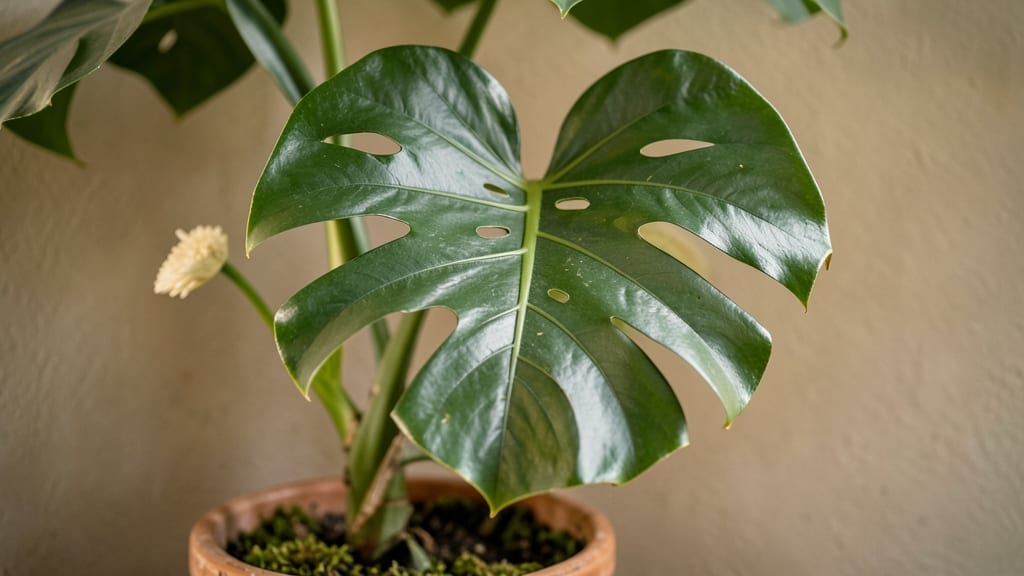
Peek inside a leaf and you’ll find the real battle for your garden’s health—where tiny invaders like leaf miners and fungal spores hide. 🌿 These silent destroyers chew through plant tissue, leaving telltale signs like serpentine trails or brown spots that ruin foliage from the inside out.
The key to saving your plants? Spotting these issues early and acting fast with targeted organic sprays.
Most problems start with moisture—whether from overhead watering or humid conditions—that gives pests and fungi the perfect entry point. Leaf miners, for example, lay eggs on undersides, and their larvae tunnel through leaves, while fungal spots spread when water sits on surfaces too long.
Prevention is simple: water at the base, space plants for airflow, and remove damaged leaves immediately.
For organic solutions, neem oil or insecticidal soap tackle pests like aphids and mites, while a baking soda spray (1 teaspoon per quart of water) fights fungal spots. Apply in the evening when bees are less active, and repeat every 5-7 days until new growth appears.
The goal isn’t just to treat—it’s to restore that crisp, vibrant green your plants deserve.
This approach works for houseplants, container gardens, and in-ground beds alike. The difference between a struggling plant and a thriving one often comes down to what you can’t see—so grab a magnifying glass and get to know the hidden world of your leaves.
Hidden Invaders Exposed
Ever peeled back a leaf to find tiny critters feasting inside? Those unwelcome guests aren’t just a surprise—they’re a sign of deeper issues in your plant’s ecosystem. Understanding why pests and diseases take up residence inside leaves helps you stop them before they spread.
Let’s break down the science behind these sneaky infiltrations, so you can outsmart them with organic solutions.
Plants, like humans, have immune systems—but when they’re stressed, their defenses drop. Pests and pathogens exploit this vulnerability, slipping into leaves through tiny wounds or natural openings like stomata (the leaf’s pores). Here’s what weakens a plant’s shield:
- Nutrient Deficiencies: Lack of nitrogen, potassium, or magnesium makes leaves soft and easy targets. Example: Yellowing edges (chlorosis) signal nitrogen deficiency, inviting mites and fungal spores.
- Over/Underwatering: Too much water drowns roots, while too little dehydrates leaves. Both scenarios create stress, opening doors for sap-sucking insects (e.g., aphids) and fungal invaders.
- Poor Air Circulation: Dense foliage traps humidity, creating a cozy environment for mold (like Botrytis) and borers. Fix: Prune for airflow—aim for 3–5 feet of space between plants.
Actionable Tip: Test soil pH (ideal: 6.0–7.0 for most plants) and fertilize with compost or balanced organic blends (e.g., fish emulsion) to bolster defenses. Healthy leaves = fewer hiding spots for pests!
Not all pests need an invitation—they’ve evolved to exploit leaf anatomy. Here’s how they break in:
| Pest Type | Entry Method | Signs of Infestation |
|---|---|---|
| Sap-Suckers (aphids, whiteflies) | Inject saliva to dissolve cells, then feed on sap. Larvae tunnel between leaf layers. | Sticky residue (honeydew), curled or puckered leaves, black sooty mold. |
| Borers (tomato hornworms, beetle larvae) | Lay eggs on undersides; larvae chew through midribs, creating serpentine mines. | Frass (chewed leaf debris), wilting, or “blotchy” leaf patterns. |
| Fungal Pathogens (rust, powdery mildew) | Spores land on wet leaves, germinate, and penetrate stomata or wounds. | White powdery patches, orange pustules, or leaf drop. |
Pro Tip: 🔍 Inspect undersides regularly—90% of pests hide there! Use a magnifying glass to spot eggs or early webbing.
Pests and diseases thrive when conditions are “just right”—like Goldilocks’ porridge. These factors turn your garden into a buffet:
- High Humidity: Fungal spores (e.g., Phytophthora) spread 10x faster in damp air. Solution: Water in the morning to allow foliage to dry.
- Temperature Swings: Sudden heat (above 85°F) weakens plants, while cool nights (below 50°F) stress them. Example: Spider mites explode in dry heat.
- Monoculture Planting: Growing the same species in rows creates a pest party. Fix: Interplant with herbs (basil repels thrips) or flowers (marigolds deter nematodes).
Data-Driven Hack: 📊 Use a local pest forecast (like from your state’s extension office) to time preventive sprays before outbreaks peak.
Now that you know why leaves become pest hotspots, the next step is how to evict them—without harsh chemicals. Stay tuned for organic spray recipes that target these exact triggers!
Quick Fixes for Leaf Pests
When you spot unwanted critters lurking inside or on leaves, acting fast is key! Below are practical, organic solutions tailored to common leaf pest problems—plus prevention tips to keep your plants thriving. No harsh chemicals here, just nature-backed fixes that work.
Cause: These sap-suckers cluster on leaf undersides, leaving sticky residue (honeydew) and stunting growth. Fix:
- Blast them off 💦
- Use a strong stream of water from a hose to dislodge clusters. Repeat every 3–4 days for 2 weeks.
- Soap it up 🧼
- Mix 1 tbsp mild liquid soap (like Castile) + 1 quart water in a spray bottle. Test on a small leaf first—soap can burn tender foliage.
- Spray directly on pests (focus on leaf undersides) in the early morning or evening (avoid direct sunlight).
- Neem oil ambush 🌿
- Combine 1 tbsp neem oil + 1 tsp dish soap + 1 quart water. Shake well and spray every 5–7 days until pests vanish.
- Pro tip: 💡 Add a few drops of horticultural oil for extra smothering power in stubborn infestations.
Prevent recurrence:
- Encourage predators: Ladybugs and lacewings love aphids—plant marigolds or dill nearby to attract them.
- Prune regularly: Remove heavily infested leaves and dispose of them in a sealed bag (not compost).
Cause: Tiny red/yellow dots on leaf undersides? These mites thrive in dry heat, weaving fine webs and causing yellow speckles. Fix:
- Wipe them down 🧽
- Dampen a soft cloth or sponge with water and gently rub leaf surfaces to remove webs and mites.
- Neem oil + water spray 🌧️
- Spray neem oil solution (see above) directly on webs (they hide there!). Reapply every 4–5 days for 3 weeks.
- Increase humidity 💦
- Place a humidifier nearby or mist plants daily. Spider mites hate moisture—this slows their spread.
Prevent recurrence:
- Mulch soil: Keeps roots cool and retains moisture, deterring mites.
- Quarantine new plants: Inspect leaves before adding them to your garden.
Cause: Wiggly trails or blisters inside leaves? Leaf miners are larvae tunneling through foliage, weakening plants. Fix:
- Handpick & destroy 🪒
- Wear gloves and pluck infested leaves, then crush the larvae (or drop them in soapy water).
- For thick leaves (like tomato), scrape out tunnels with a dull knife and discard the debris.
- Kaolin clay barrier 🏗️
- Mix 1 cup kaolin clay + 1 gallon water, stir well, and spray on leaves. The clay smothers eggs and makes leaves less appealing to adults.
- Yellow sticky traps 🎣
- Hang yellow cards coated with petroleum jelly near plants to catch adult flies before they lay eggs.
Prevent recurrence:
- Rotate crops: Don’t plant susceptible plants (like basil or beans) in the same spot yearly.
- Use row covers: Fine mesh physically blocks adult flies from laying eggs.
Cause: Dark spots, mold, or powdery growth inside leaf folds? Fungi love damp, crowded conditions. Fix:
- Prune for airflow 🌬️
- Trim overlapping leaves and branches to improve circulation. Aim for 30–50% light penetration between leaves.
- Baking soda spray 🧂
- Mix 1 tsp baking soda + 1 quart water + a few drops of soap. Spray every 7–10 days to raise leaf pH (fungi dislike alkaline environments).
- Copper fungicide 🛡️
- Use an organic copper spray (like copper sulfate) once per season for severe cases. Follow label instructions—copper can harm plants if overused.
Prevent recurrence:
- Water at the base: Avoid wetting leaves (use a soaker hose or drip irrigation).
- Space plants properly: Overcrowding = fungal paradise.
Want to avoid leaf pests long-term? Follow the 4 R’s:
- Remove: Inspect leaves weekly—prune and dispose of damaged foliage.
- Repel: Plant pest-repelling companions like garlic, chives, or thyme nearby.
- Rotate: Change plant locations yearly to disrupt pest life cycles.
- Reinforce: Strengthen plants with balanced fertilizer (too much nitrogen = soft, pest-loved leaves).
🚨 Emergency Tip: If pests persist after 3 weeks, isolate the plant and research specific organic pesticides (like pyrethrin spray for beetles). But start simple—most infestations clear up with these basics!
Frequently asked questions
Why do I see tiny white trails inside leaves?
Those are likely leaf miner larvae—tiny worms that tunnel through leaf tissue, creating serpentine patterns. They hatch from eggs laid on leaf undersides, then burrow inside, causing permanent damage. Check for frass (chewed leaf debris) along the trails to confirm.
Can I save a plant with fungal spots growing inside leaf folds?
Yes, but act fast! Prune severely affected leaves and improve airflow by spacing plants 3-5 feet apart. Apply a baking soda spray (1 tsp baking soda + 1 quart water) every 7-10 days to raise leaf pH—fungi thrive in acidic environments. Water at the base only to prevent moisture buildup.
How do I tell if black spots inside leaves are pests or disease?
Pests like aphids leave sticky residue (honeydew) and tiny moving dots, while fungal spots appear as powdery or greasy patches that don't move. Hold a leaf up to light—if you see tiny creatures, it's pests; if just discoloration, it's likely disease. Magnifying glasses help spot the difference.
Will neem oil work on pests hiding inside leaf tissue?
Neem oil works best for surface pests like aphids, but it won't reach larvae already tunneling inside leaves. For leaf miners, focus on removing infested leaves and using kaolin clay (a physical barrier) to prevent new eggs from hatching. Spray neem oil on healthy leaves to deter adult flies from laying eggs.
How often should I inspect leaf undersides for early signs?
Check undersides every 3-5 days during growing season—90% of pests hide there! Use a magnifying glass to spot eggs or early webbing. Early detection is key: most infestations become severe within 2-3 weeks if left unchecked. Morning inspections work best when pests are sluggish.