
Flowers
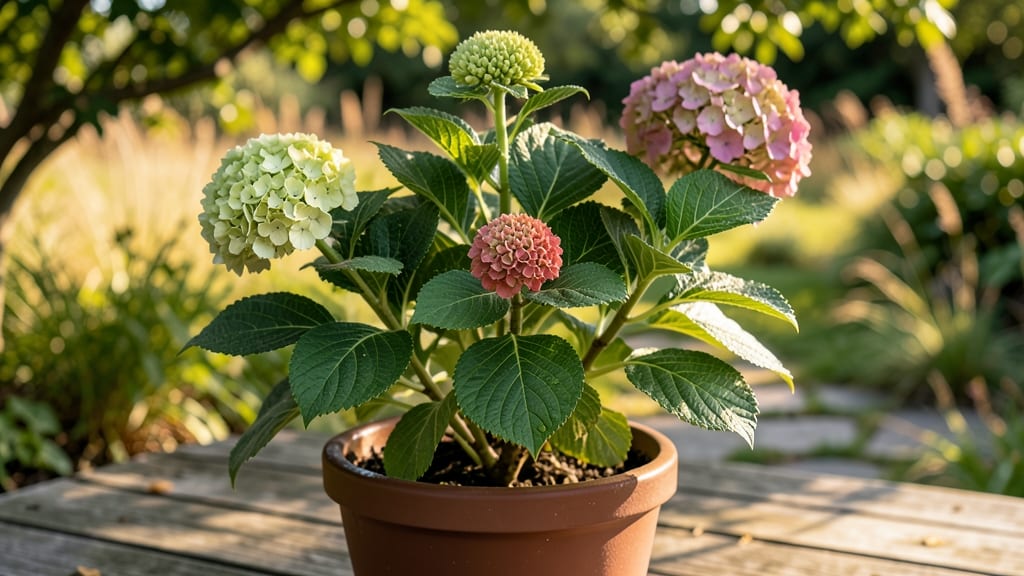
One wrong cut can mean no flowers all summer—hydrangea flower buds vs. leaf buds look almost identical at first glance. 🌿 I’ve pruned my hydrangeas for years, and this tiny difference saved me from a season of bare stems.
The flower bud sits on last year’s wood, plump and rounded, while the leaf bud is flatter and tucked into the stem’s crease.
Flower buds are the future blooms, so cutting them means no flowers that year. Leaf buds produce foliage and next year’s flower stems. My mophead hydrangeas taught me this lesson the hard way—after pruning too late, I ended up with lush leaves but no dramatic blooms.
The key is timing: prune leaf buds in late winter, but wait until after blooming to trim flower buds.
You’ll spot flower buds by their slightly swollen base and the way they point outward. Leaf buds are smoother, nestled against the stem like a tiny pocket. Once you train your eyes, pruning becomes second nature—no more guessing games or missed blooms.
The payoff? Bigger, healthier flowers every season with just a few minutes of careful observation.
This skill works for all hydrangea types, from lacecaps to panicle varieties. The same rules apply whether you’re shaping a small patio plant or a towering garden centerpiece. Master this, and you’ll prune with confidence—no more second-guessing or over-trimming. Let’s get those buds identified!
The first option explained
Option A Overview: The Flower Bud 🌸
If you're looking to encourage vibrant blooms in your hydrangea, flower buds are the star of the show! These compact, rounded buds typically appear in clusters along the stems and are often slightly larger and plumper than leaf buds.
They may also have a slightly woody texture and resemble tiny, tightly packed roses or pom-poms before they bloom.
🔍 Key Characteristics:
- Shape: Rounded, often slightly tapered at the base.
- Size: Usually larger than leaf buds (about 1/4 to 1/2 inch in diameter).
- Texture: Slightly firm and woody to the touch.
- Location: Found in clusters at the ends of stems or along the sides.
- Color: Often greenish-brown but may have hints of pink or purple in some varieties.
🌿 Benefits of Identifying Flower Buds:
- Encourages Blooming: Pruning near flower buds ensures your hydrangea will produce more flowers in the next growing season.
- Healthier Growth: Removing dead or damaged flower buds prevents disease and redirects energy to new growth.
- Better Aesthetics: Proper pruning based on flower bud identification leads to fuller, more attractive blooms.
🌺 Typical Use Cases:
Flower buds are most valuable when you're:
- Pruning in late winter or early spring to shape your hydrangea for the upcoming season.
- Revitalizing an overgrown plant by selectively cutting back old wood while preserving new flower buds.
- Encouraging larger blooms by focusing pruning efforts on stems with healthy, plump flower buds.
Pro Tip: 💡 Flower buds on hydrangeas often appear in clusters—if you see a group of buds tightly packed together, chances are they’re flower buds!
The second option explained
Ready to dive into the world of leaf buds? 🌿 These unsung heroes of hydrangeas play a crucial role in your plant’s growth and health, and understanding them will help you prune like a pro! Here’s your deep dive into Option B: Leaf Buds.
🌱 Key Characteristics
Leaf buds are the compact, rounded growth points that appear along the stems of hydrangeas. Unlike flower buds, they’re typically:
- Smaller and less prominent: Often tucked closely to the stem, they may look like tiny bumps or slightly swollen areas.
- Softer to the touch: When gently squeezed, they feel more pliable compared to the firmer texture of flower buds.
- Located at stem junctions: They usually form at the nodes (where leaves or branches meet the stem), often near existing foliage.
- Green or brownish-green in color: Their hue can vary slightly depending on the hydrangea variety and season.
🌟 Benefits of Identifying Leaf Buds
Knowing where leaf buds are can transform your pruning game:
- Encourages lush foliage: Pruning near leaf buds stimulates new leaf growth, keeping your hydrangea dense and vibrant.
- Supports overall plant health: Leaf buds are the foundation for photosynthesis, ensuring your plant stays strong and resilient.
- Helps avoid over-pruning: Recognizing leaf buds prevents accidental removal of future growth points, which could stunt your plant. li>Ideal for shaping: Leaf buds are your secret weapon for guiding the shape and direction of your hydrangea’s growth.
🌿 Typical Use Cases
Leaf buds shine in these scenarios:
- Renewal pruning: If your hydrangea looks leggy or sparse, pruning just above a leaf bud can encourage fresh, bushy growth.
- Rejuvenation of older plants: For mature hydrangeas that need a refresh, cutting back to a leaf bud can stimulate new stems and foliage.
- Maintaining size and shape: Trimming back to a leaf bud helps control the plant’s height and width, keeping it tidy and manageable.
- Encouraging blooms in some varieties: In panicle or smooth hydrangeas, leaf buds can lead to flower buds if given the right conditions.
Pro Tip: 💡 If you’re unsure whether a bud is a leaf or flower bud, wait until spring. Leaf buds will swell and unfurl into leaves, while flower buds will develop into blooms—no guesswork needed!
Key differences
🌿 1. Shape & Structure
At first glance, the shape of hydrangea buds is one of the quickest ways to tell them apart. Flower buds are typically plump, rounded, or slightly conical, resembling tiny green or brown bulbs.
They often appear in clusters along the stems, where multiple buds share a common base—almost like a miniature bouquet waiting to bloom. In contrast, leaf buds are usually smaller, flatter, and more elongated, with a tapered or oval form.
They often sit alone or in pairs at the stem’s nodes, looking more like tiny green eggs than flowery promises.
🌸 2. Position on the Stem
The location of the bud can also give you a hint. Flower buds tend to grow at the ends of stems or branches, often forming dense clusters. They’re usually the "showstoppers" of the plant, drawing attention to themselves.
Meanwhile, leaf buds are more uniformly spaced along the stem, emerging from the leaf axils (the angle between the stem and a leaf). Think of them as the "supporting cast"—always there but never stealing the spotlight.
📏 3. Size & Scale
Size matters here! Flower buds are generally larger and more prominent, often measuring ½ to 1 inch in diameter before they bloom.
They feel firm to the touch, like little green marbles. Leaf buds, on the other hand, are tiny and compact, rarely exceeding ¼ inch in length. They’re so small that you might overlook them if you’re not looking closely—almost like hidden secrets along the stem.
🌱 4. Texture & Feel
Run your fingers over the buds for a tactile clue! Flower buds have a smooth, slightly waxy surface, almost like a polished pebble.
Some may feel slightly fuzzy or hairy, especially in varieties like Hydrangea macrophylla. Leaf buds, however, are often smoother but more delicate, with a slight ridge or seam where the new leaf will unfurl. They might also feel slightly softer or even sticky if they’re still developing.
🔍 5. Color Clues
Color can be a game-changer when identifying buds. Flower buds often start off green but gradually darken to brown or reddish-brown as they mature.
Some may even hint at their future blooms with faint pinks, purples, or blues peeking through. Leaf buds, however, are usually a uniform green or light brown, blending seamlessly with the stem. Their color stays consistent unless they’re affected by pests or disease.
⏳ 6. Growth Timing & Seasonal Cues
Timing is everything! Flower buds typically appear in late summer or early fall and remain dormant through winter, only swelling in spring as they prepare to bloom.
If you see buds in winter, they’re likely flower buds—nature’s way of storing energy for a spring spectacle. Leaf buds, however, emerge earlier in the season, often in late winter or early spring, and grow more quickly.
They’re the first sign that the plant is waking up from its winter nap.
When to choose which
Choosing between hydrangea flower buds and leaf buds depends on your gardening goals—whether you're aiming for showstopping blooms or lush foliage. Here’s when to lean into each:
🌸 Prioritize Flower Buds When...
- You want vibrant blooms: If your goal is a dramatic display of hydrangea flowers (like mopheads or lacecaps), leave flower buds untouched. These buds form in late summer/fall for next year’s blooms—pruning them off now means fewer flowers later! 🌺
- Your hydrangea blooms on old wood: Varieties like Bigleaf or Oakleaf hydrangeas rely on last year’s growth. Snip only dead or diseased wood—never flower buds!
- You’re reviving a neglected bush: If your hydrangea is overgrown, prune selectively to shape it, but avoid cutting back into last year’s flower buds unless necessary.
🌿 Focus on Leaf Buds When...
- Your hydrangea blooms on new wood: Varieties like Panicled or Smooth hydrangeas thrive when pruned hard in late winter/early spring. Trim back to leaf buds to encourage fresh, vigorous growth and more flowers! ✂️
- You need to rejuvenate growth: If your hydrangea looks leggy or sparse, pruning back to leaf buds stimulates new shoots and denser foliage.
- You’re shaping or controlling size: Leaf buds are your friends for structural pruning. Cutting back to them helps maintain a neat, compact shape while promoting healthy regrowth.
Pro Tip: 💡 Always research your specific hydrangea variety—some (like Endless Summer) can bloom on both old and new wood, giving you flexibility!
The bottom line
Mastering the difference between hydrangea flower buds and leaf buds is your ticket to pruning like a pro! 🌿 Now that you’ve got the visual cues and timing down, you’re ready to transform your hydrangeas into lush, blooming stars. Remember:
- Flower buds = Fuzzy, rounded, and firm—cut them after blooming (or never, if you’re deadheading for next year’s flowers!).
- Leaf buds = Smooth, pointed, and greenish—prune these in late winter/early spring to encourage new growth.
Still unsure? Snap a photo and compare it to our guide—your hydrangeas will thank you! Happy pruning! ✂️💖